You notice bad window tint fast in Alberta. The cabin stays hot, glare still cuts across your dash, and within a year or two the film starts to fade, haze, or peel at the edges. If you are trying to find the best ceramic window tint for cars, the real question is not which product has the flashiest name. It is which film is installed properly, performs well through real weather, and gives you the right balance of heat rejection, visibility, and long-term value.
Ceramic tint has become the top choice for many drivers because it does a better job than basic dyed film and avoids some of the drawbacks of older metallic products. That said, not every ceramic film is the same, and not every vehicle needs the darkest or most expensive option available. A family SUV parked outside all day has different needs than a commuter sedan or a work truck that spends long hours on the road.
What makes the best ceramic window tint for cars?
The best ceramic window tint for cars should do three things well. First, it should reduce heat and glare in a noticeable way. Second, it should hold up over time without turning purple, bubbling, or breaking down around the edges. Third, it should be installed cleanly so you get a factory-like finish instead of dust, gaps, or uneven lines.
Ceramic film uses non-metallic, non-conductive particles that help block heat and UV rays without interfering with electronics. That matters more than many drivers realize. Modern vehicles rely on phones, GPS, radio signals, remote starters, and a growing list of sensors. Metallic tint can sometimes create signal issues. Ceramic film avoids that while still offering strong performance.
For most drivers, the biggest everyday benefit is comfort. A quality ceramic tint can help keep your cabin cooler, reduce harsh sunlight on long drives, and make the interior easier on your eyes. It also helps protect seats, trim, and dashboards from UV damage over time.
Ceramic vs dyed and carbon tint
If you are comparing options, it helps to know where ceramic fits.
Dyed tint is usually the budget option. It improves appearance and can cut some glare, but it does not reject heat nearly as well as ceramic. It also tends to fade faster, especially with years of sun exposure and temperature swings.
Carbon tint sits in the middle. It usually performs better than dyed film, gives a clean look, and can be a solid value for drivers who want an upgrade without going all the way to ceramic. A good carbon film can still be a smart choice, depending on the vehicle and budget.
Ceramic tint is the premium option. It generally delivers the best heat rejection, strong UV protection, and longer-lasting performance. The trade-off is simple – it costs more upfront. For many drivers, especially those who keep their vehicles for years or spend a lot of time driving, that extra cost is worth it.
The specs that actually matter
When people shop for tint, they often focus only on darkness. That is understandable, but darkness is not the whole story.
Visible light transmission, or VLT, tells you how much light passes through the film. A lower number means a darker tint. That affects privacy and appearance, but dark film alone does not guarantee strong heat rejection.
Infrared heat rejection matters if your goal is a cooler cabin. This is where ceramic film usually stands out. Two films can look similar from the outside but perform very differently in direct sun.
UV rejection is another big one. A quality ceramic tint should block the vast majority of harmful UV rays, helping protect both your skin and your interior.
Clarity is easy to overlook until you drive at night. Some lower-quality films can create a hazy look or make visibility worse in poor weather. The best ceramic films stay clear and comfortable to look through, even on darker shades.
Warranty also matters. A proper warranty says a lot about the confidence behind the product and installation. It will not fix careless workmanship, but it is still a sign you are dealing with a shop that stands behind the job.
One film is not always best for every driver
There is no single answer that fits every vehicle. The best ceramic window tint for cars depends on how you use your vehicle, where you park, and what matters most to you.
If your vehicle sits outside all day, heat rejection should move higher on your priority list. If you do a lot of night driving on rural roads, going too dark may not be the best move, even if you like the look. If you drive for work and spend hours in your vehicle, comfort and glare reduction may matter more than appearance alone.
Families often want a practical setup – enough shade and heat reduction to keep rear passengers comfortable, but not so dark that visibility becomes frustrating. Truck owners may lean toward privacy and glare control. Commuters may care most about reducing cabin heat during the summer and making daily driving easier on the eyes.
That is why a good installer should ask questions before recommending a film. A one-size-fits-all sales pitch is usually a red flag.
Why installation matters as much as the film
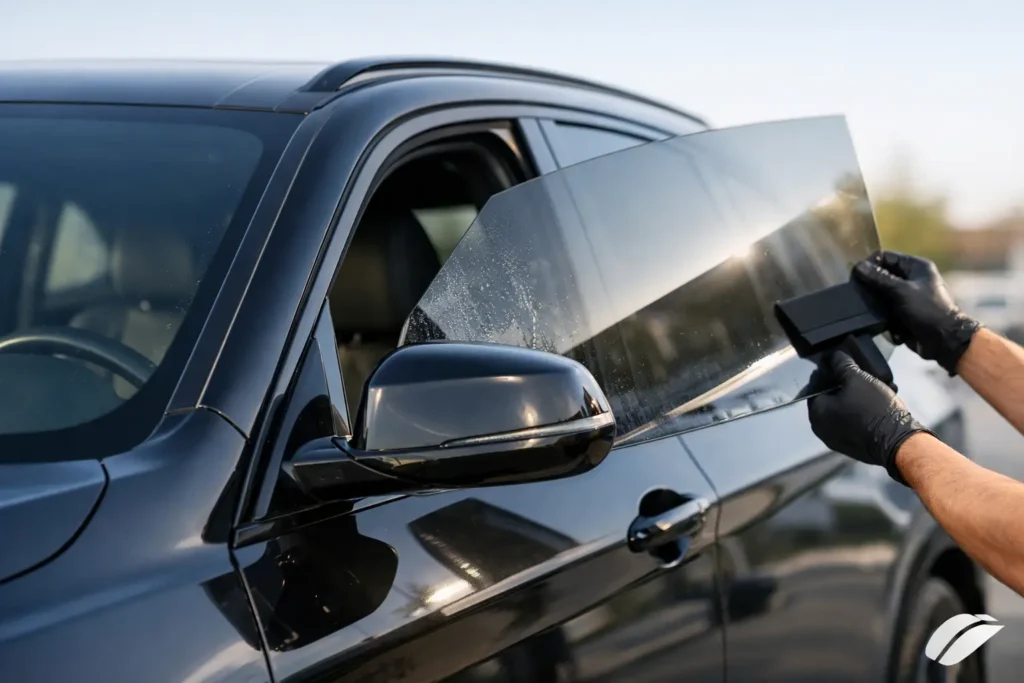
Even the best film can look bad if the install is rushed. Clean glass preparation, precise cutting, proper shrinking, and careful edge finishing all make a difference. When tint is installed properly, it looks consistent and lasts. When it is not, you see contamination, peeling corners, trapped moisture that does not cure right, or film that starts failing far too early.
This is where experience matters. Vehicles are not all built the same, and some rear windows, defroster lines, and curved glass panels are more difficult than others. A trained installer knows how to work with those differences without cutting corners.
For drivers with packed schedules, mobile service can be a major advantage as long as the work is done in the right conditions and with the same attention to detail you would expect in a shop. That convenience is a big reason many local vehicle owners turn to providers like JDB Autoglass when they want quality tinting without losing half a day.
Questions worth asking before you book
Before choosing a tint package, ask what brand of film is being installed, whether it is true ceramic film, and what the warranty covers. You should also ask about local tint laws, expected cure time, and how to care for the windows after installation.
A trustworthy shop will explain the difference between ceramic and lower-tier films in plain language. They will also be honest if another option fits your budget and needs better. Not every customer needs the highest-end film on the menu.
It is also fair to ask how the film performs in local conditions. Alberta drivers deal with bright summer sun, cold winters, and a lot of road time. You want a film that handles temperature swings well and keeps performing year after year.
Signs you are getting a quality ceramic tint job
A quality tint job should look clean from both inside and outside the vehicle. The film should sit neatly near the edges without obvious gaps, and there should not be dirt, hair, or visible debris trapped underneath. Some moisture haze can be normal right after installation, but that should improve as the film cures.
You should also notice the difference while driving. The cabin should feel more comfortable in direct sun, glare should be reduced, and the windows should still look clear. If the film looks blotchy, distorts your view, or starts lifting early, something is wrong.
Is ceramic window tint worth the price?
For many drivers, yes. If you only care about darkening the windows for appearance, a lower-cost film may seem good enough. But if you want better heat rejection, stronger UV protection, and a film that holds up well over time, ceramic is often the better long-term investment.
That does not mean the most expensive package is always necessary. The right choice is the one that fits your vehicle, your driving habits, and your budget without compromising on installation quality. A solid ceramic film installed properly will usually serve you better than a premium-labelled product installed poorly.
The best choice is usually the one that keeps your vehicle more comfortable every day, stands up to real use, and gives you confidence that the job was done right. If you are comparing options, look past marketing terms and ask practical questions. Good tint should make your vehicle easier to live with, not just better to look at.