
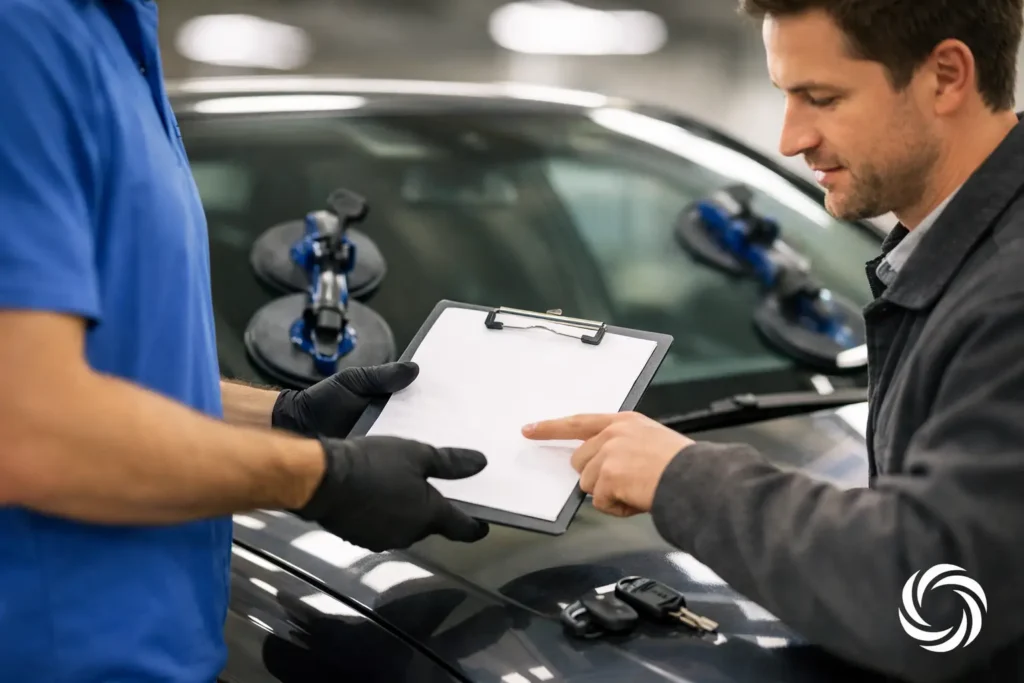
A new windshield should give you peace of mind, not leave you wondering what happens if something goes wrong a week later. That is why windshield replacement warranty explained is a question worth asking before the glass goes in, not after. A good warranty tells you a lot about the company doing the work – how confident they are in their materials, their installation process, and how they treat customers when issues come up.
Most drivers do not think about warranty details until they notice wind noise, water getting in, moulding that does not sit right, or a problem with the fit after replacement. By then, the fine print matters. The right questions upfront can save you time, money, and frustration.
What a windshield replacement warranty usually covers
In most cases, a windshield replacement warranty covers workmanship and installation-related issues. That means if the glass was installed incorrectly and you end up with leaks, unusual wind noise, loose trim, or poor bonding, the shop should address it. A workmanship warranty is the company standing behind the job itself.
Some warranties also cover defects in the glass or related materials. If there is a manufacturer issue with the windshield, moulding, or adhesive components, that may fall under coverage as well. The exact terms depend on the installer and the brand of glass being used, so it is always worth asking whether the warranty covers labour only, materials only, or both.
This is where customers sometimes get caught off guard. A warranty can sound strong until you realize it only covers one part of the job. A clear answer matters more than a long promise.
Windshield replacement warranty explained in plain terms
The easiest way to think about it is this: a proper warranty covers problems caused by the installation or the product, but not damage that happens afterward from outside forces. If your new windshield starts leaking because the seal was not done right, that should be covered. If a gravel truck kicks up a rock on Deerfoot and cracks it the next day, that usually is not.
That may sound obvious, but many people assume any issue with a new windshield must be a warranty issue. In reality, there is a difference between a failed installation and new impact damage. The shop should be able to explain that difference clearly without making you feel like you are asking the wrong questions.
A strong warranty should also be easy to use. If something is wrong, you should know who to call, what they need from you, and how quickly they will inspect the problem. If the process is vague, the warranty may not be as helpful as it sounds.
What is usually not covered
The most common exclusion is new damage after the replacement. Rock chips, cracks from road debris, vandalism, accidents, theft, and body damage around the windshield opening are typically outside the warranty. These are insurance or out-of-pocket issues, not installation defects.
Another common exclusion is damage caused by ignoring post-install instructions. After a windshield is installed, the adhesive needs time to cure properly. If you slam the doors hard right away, drive before the safe drive-away time has passed, or run the vehicle through a high-pressure wash too soon, you can affect the seal. That does not automatically mean the warranty is void, but it can create a grey area.
There are also cases where related problems are mistaken for windshield issues. If water enters because of rust around the frame, a pre-existing body problem, or a sunroof drain issue, the windshield warranty may not apply. This is one reason experienced technicians inspect the surrounding area before installation and let you know if anything could affect the result.
Why workmanship matters as much as the glass
Customers often focus on the brand of glass, and that makes sense. Quality glass matters. But the installation matters just as much, sometimes more. Even excellent glass can perform poorly if the prep work, adhesive application, or fitment is off.
A windshield is not just a piece of glass. It is part of the vehicle’s structural system and supports proper airbag performance in a collision. If the bonding is not done correctly, that is a safety issue, not just a cosmetic one. A warranty tied to workmanship is important because it reflects whether the installer treats the job like a safety repair.
That is also why the cheapest quote is not always the best value. If a company cuts corners on prep, rushes curing time, or uses lower-grade materials, a short-term savings can turn into a much bigger problem later.
Questions to ask before you book
If you want to compare companies properly, ask direct questions and listen for direct answers. You do not need a technical breakdown. You just need clarity.
Ask how long the warranty lasts, what exactly it covers, and whether it includes both labour and materials. Ask what would count as a workmanship issue. Ask what happens if there is a leak or wind noise after installation. Ask whether the adhesive meets safety standards and how long you need to wait before driving.
It is also smart to ask whether recalibration is involved if your vehicle has driver assistance systems. On many newer vehicles, cameras and sensors are connected to the windshield area. If replacement affects those systems, you want to know whether that part of the job is included and how warranty concerns would be handled if a related issue appears.
A reputable company will not dodge these questions. They should answer them in plain language and tell you what to expect after the install.
The fine print that actually matters
Not all warranty details are buried in legal language. Sometimes the most important parts are simple. Is the warranty transferable? Do you need your invoice? Is there a limited period to report an issue? Do mobile installations carry the same warranty as in-shop work? These details can matter more than a broad promise that sounds impressive.
Mobile service, for example, should not mean lower standards. If a company replaces windshields at your home or work, the warranty should still reflect the same level of workmanship and accountability. Convenience is a major benefit, but it should come with the same confidence as a shop-based install.
At https://jdbautoglass.ca, that customer-first approach is part of the value. The point of mobile service is to remove hassle, not add uncertainty.
How to protect your warranty after installation
The best thing you can do is follow the aftercare instructions. They are usually straightforward, but they matter. Leave any retention tape in place for the recommended time. Avoid slamming doors for the first while. Skip automatic car washes until the installer says it is safe. Do not remove cowl panels or trim around the windshield yourself.
If you notice something off, deal with it early. A small leak or faint wind noise might seem minor, but it is better to have it checked right away. The sooner the issue is assessed, the easier it is to tell whether it is related to installation, a product defect, or something else.
Keep your invoice too. You may never need it, but if a warranty concern comes up, having the job details on hand makes the process faster.
When a warranty is a trust signal
A windshield warranty is not just a policy. It is a sign of how a company does business. Shops that are confident in their technicians, adhesives, and installation process usually have no problem standing behind the work. Shops that are vague about coverage, timelines, or exclusions may be telling you something too.
That does not mean the longest warranty is always the best one. A practical, clearly explained warranty from a responsive local company can be more valuable than a longer one filled with conditions. What matters is whether the company will actually help if there is a problem.
For most drivers, the real goal is simple. You want the windshield replaced properly, you want to know what is covered if something goes wrong, and you do not want a runaround if you need support. That is not asking for too much. It is exactly what a good warranty should deliver.
Before you book, ask the extra two or three questions. A few clear answers now can make your next windshield replacement feel a lot more straightforward.