
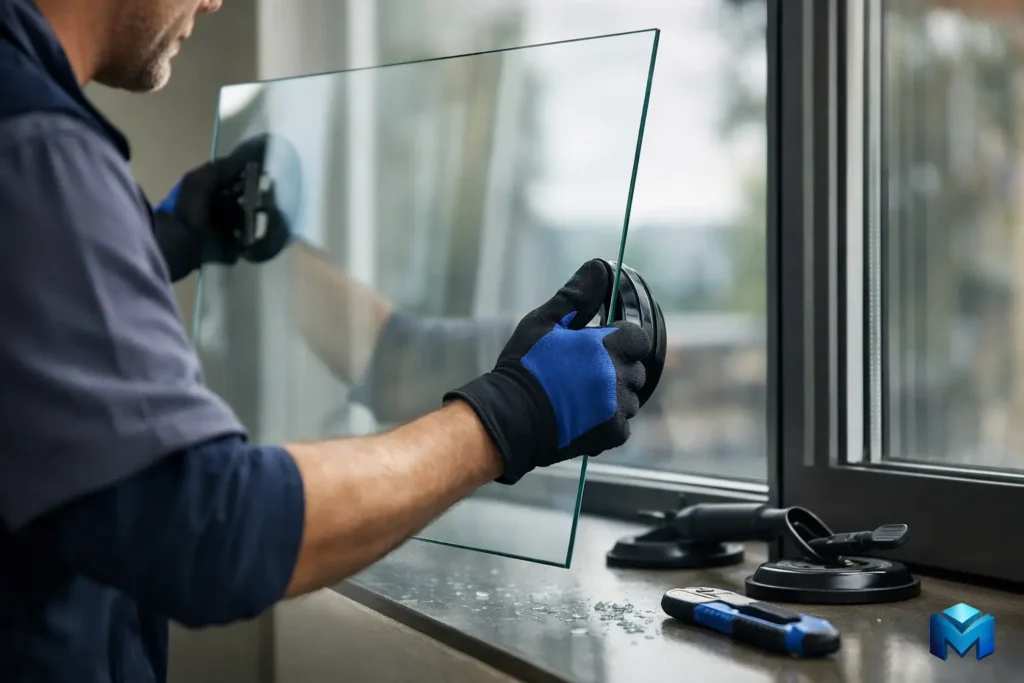
A smashed side window usually happens at the worst possible time – before work, during school pickup, or overnight when your vehicle is parked outside. If you are dealing with broken door glass or a shattered rear window, understanding the tempered glass replacement process helps you know what to expect and what should never be rushed.
Unlike a windshield, tempered glass is designed to break into small pieces instead of long sharp shards. That is good for safety in a collision, but it also means replacement is usually the only fix once the glass is damaged. There is no practical chip repair for a tempered side or rear window. The job becomes about removing every fragment, checking the vehicle for related damage, installing the right glass, and making sure the window operates and seals properly afterward.
Why the tempered glass replacement process is different
Tempered glass is most often used for side windows and many rear windows. It is heat-treated to improve strength, but once it fails, it fails completely. A rock strike, attempted break-in, door impact, or sudden stress from damaged hardware can cause it to explode into thousands of cubes.
That creates a different repair situation than a cracked windshield. With a windshield, there may be time to assess a repair versus replacement. With tempered side or rear glass, the question is usually not whether it needs replacing. The real questions are how much cleanup is required, whether the regulator or tracks were damaged, and whether the replacement glass matches the vehicle correctly.
This is where experience matters. On paper, replacing a door window sounds simple. In practice, every vehicle is a little different. Some have tight access inside the door, some have sensors or trim clips that break easily, and some rear windows include defroster connections or built-in antennas that need careful handling.
What happens first after the glass breaks
The first step is safety. Loose glass in the seats, floor, door pocket, and window seals can keep falling long after the initial break. If the window was broken by impact or theft, there may also be damage to mouldings, weatherstripping, or the window regulator.
A proper technician starts by confirming which glass is broken and whether there is any hidden damage around it. If it is a side window, the inner door cavity often holds a surprising amount of shattered glass. If that debris is not removed, it can rattle, scratch the new glass, or interfere with the power window mechanism.
For a rear window, the inspection includes the frame, trim, defroster tabs, wiring connections, and the surrounding paint surface. If any of those areas are bent or contaminated, the new glass may not seal the way it should.
The tempered glass replacement process step by step
The tempered glass replacement process starts with cleanup, but not the quick sweep people sometimes imagine. The visible pieces come out first, then the smaller fragments trapped in channels, seals, and interior trim. Technicians typically remove inner panels or trim sections as needed so they can vacuum and clear the glass thoroughly.
On a side window replacement, the next stage is accessing the mounting points inside the door. Depending on the vehicle, that may involve removing the door panel, disconnecting switches, peeling back moisture barriers, and inspecting the regulator. If the regulator is bent, jammed, or damaged by the shattered glass, replacing only the glass will not solve the problem.
Once the area is clean and the hardware is confirmed to be in working order, the replacement glass is prepared and fitted. The technician checks the size, tint match, shape, edge finish, and attachment points before installation. That sounds basic, but it is one of the easiest places for poor-quality work to show up later. A glass panel that is slightly off can bind in the track, create wind noise, or fail to seal fully.
After the glass is secured, the window is tested through its full range of motion. It should raise and lower smoothly without dragging, tilting, or making unusual noise. The seals should sit properly and the glass should align with the frame evenly.
For a rear window replacement, the process is different because the glass is bonded in place rather than moving inside a door. The old glass is removed, the bonding surface is cleaned and prepared, and fresh urethane is applied before the new glass is set into position. If the rear glass includes defroster lines or electrical connections, those are reattached carefully and checked once the installation is complete.
Why cleanup is a bigger deal than most people think
The quality of the cleanup affects the whole repair. Tempered glass gets everywhere. It drops into seat tracks, carpet fibres, speaker grilles, trunk seams, and deep inside door shells. Leaving those fragments behind is not just annoying. It can lead to rattles, blocked drain holes, scratched trim, and cut fingers days later.
A thorough technician takes the extra time to remove debris from the places customers cannot easily see. That matters even more for families, work vehicles, and anyone who uses the back seats often. Good workmanship is not only about the glass being installed. It is also about returning the vehicle in a condition that feels properly handled.
Factory fit matters more than the lowest price
Not all replacement glass is the same. The right part should match the vehicle’s dimensions, thickness, curvature, and features. If a rear window has defrost capability, the new glass needs to support that function correctly. If the side glass has a specific tint level or mounting setup, that needs to line up as well.
This is one area where bargain repairs can become frustrating. A lower price may look attractive, but if the glass does not fit quite right or the seal is poor, you may end up dealing with wind noise, water leaks, or a window that struggles to move. Saving money up front is not much help if the job has to be redone.
Mobile service and what to expect on site
For many drivers, the biggest concern is downtime. If a side or rear window shatters, the vehicle may not feel secure to drive or leave unattended. Mobile service can make a real difference because the repair happens at home, at work, or wherever the vehicle is parked safely.
That said, not every situation is identical. Weather, access to the vehicle, and the type of glass being installed can affect timing. A side window replacement may move faster than a bonded rear window that requires adhesive curing. The important part is having the job assessed properly, not rushed just to hit a quick turnaround.
A no-nonsense company like JDB Autoglass will usually tell you clearly what can be done on site, how long the work should take, and whether there are any waiting periods before the vehicle is fully ready.
How long does the process take?
It depends on the type of glass and the condition of the surrounding parts. A straightforward side window replacement may be completed fairly quickly if the correct part is available and the regulator is undamaged. A rear glass replacement can take longer because of adhesive setup and the need to reconnect electrical features.
There is also a difference between installation time and safe use time. A window may be physically in place, but if adhesive curing is involved, the drive-away timing matters. That is why professional guidance after the job is part of the service, not an afterthought.
Signs the job was done properly
Most customers are not looking to inspect a repair like a technician would, but a few basic signs help. The glass should sit evenly, operate normally if it is a moving window, and seal tightly without unusual wind noise. The interior should be free of loose glass, and trim panels should be reinstalled cleanly without broken clips or gaps.
On a rear window, defroster lines should function if equipped, and the perimeter should look neat and consistent. You should also receive clear instructions if there is any cure time or short-term care needed after installation.
When replacement should not wait
If your side or rear window is broken, waiting usually makes things worse. Interior exposure to rain, theft risk, and loose glass inside the cabin all become bigger problems with time. In Alberta, temperature swings and sudden weather changes can turn a manageable issue into a much more inconvenient one fast.
There is also the comfort factor. Driving with a missing or shattered window is noisy, distracting, and unsafe. Getting it handled quickly is not just about appearance. It is about restoring security, visibility, and day-to-day use of your vehicle.
The right repair should feel straightforward: proper assessment, complete cleanup, the correct glass, careful installation, and clear advice on what happens next. If you know what the tempered glass replacement process involves, it becomes much easier to spot the difference between a rushed fix and a job done right the first time.