
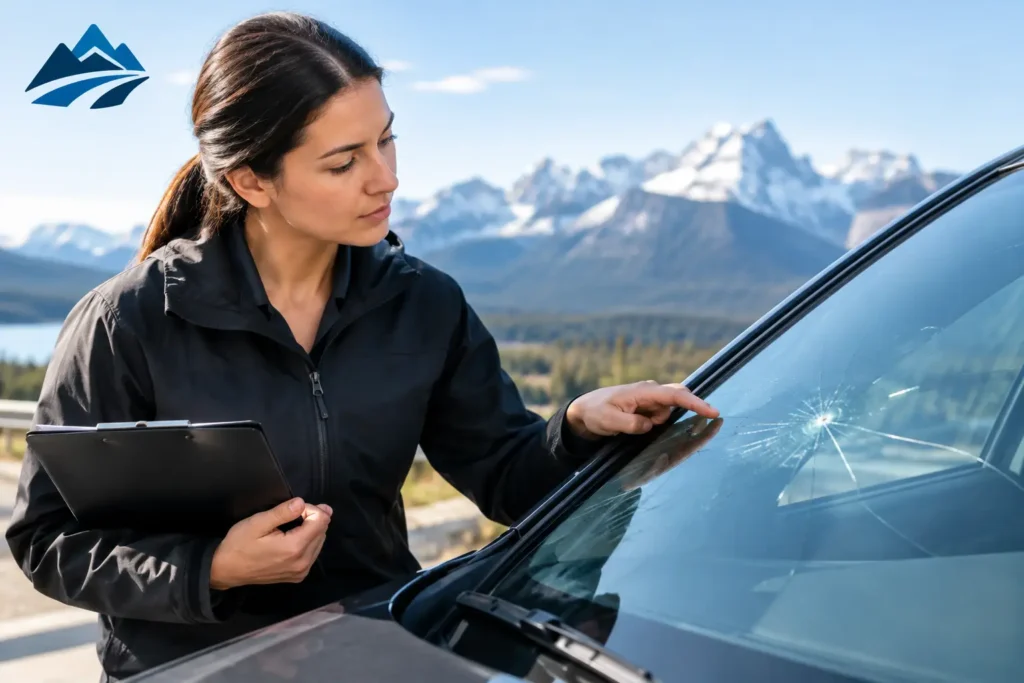
A rock chip can look harmless when you first spot it in the driveway. Then Calgary’s temperature swings, a rough stretch of road, or one hard door close turns it into a crack across your line of sight. This vehicle glass insurance claim guide explains what to do next, what your insurer may cover, and how to avoid delays when your windshield, side window, or rear glass needs attention.
The right move depends on the damage, your policy, and whether safety systems are affected. Acting early usually gives you more options – including a simple repair that may cost less than a full replacement.
Vehicle Glass Insurance Claim Guide: Start With Safety
First, look at where the damage is and how severe it has become. A small rock chip outside the driver’s direct view may be repairable if it is addressed quickly. A long crack, damage at the windshield edge, glass that is shattered, or a chip directly in front of the driver often calls for replacement instead.
Do not treat the windshield as just a piece of glass. It supports the roof structure and helps airbags perform as intended in many vehicles. If a crack is growing, the glass is loose, visibility is reduced, or the vehicle has broken side or rear glass, arrange professional service as soon as possible. Avoid slamming doors, blasting the defroster on high, or washing the vehicle with very hot water, as sudden pressure and temperature changes can make damage spread.
If you need to drive before an appointment, keep loose glass clear of the seating area and avoid putting pressure on the damaged panel. For a broken side window, protect the interior from weather and secure the vehicle until it can be properly repaired.
Check Your Policy Before Opening a Claim
In Alberta, vehicle glass damage is commonly handled under comprehensive coverage rather than collision coverage. Comprehensive coverage can apply to rock chips, road debris, vandalism, hail, fallen branches, and some other non-collision losses. But coverage is not automatic. Your policy wording, deductible, endorsements, and insurer rules decide what is paid.
Start by checking your policy documents or calling your insurer. Ask whether glass is covered, what deductible applies, and whether a repair is treated differently from a replacement. Some policies waive or reduce the deductible for a windshield chip repair, while a full windshield replacement may still require you to pay your comprehensive deductible. Others have separate glass coverage or specific limits.
It is also reasonable to ask whether making a glass claim could affect your premium. The answer varies by insurer, your claim history, and the policy. A repair that costs less than your deductible may be better paid out of pocket. On the other hand, a replacement involving cameras, sensors, mouldings, or recalibration can cost considerably more than expected, making a claim worthwhile.
Before authorizing work, get clear answers to these questions:
- Is this loss covered under my current policy?
- What deductible will I pay for repair or replacement?
- Can I choose my own auto glass provider?
- Does the insurer require pre-approval or a specific claims process?
- Is ADAS calibration covered if my vehicle needs it after windshield replacement?
Keep the name of the representative, the claim number if one is assigned, and notes from the call. A few minutes of documentation can prevent confusion later.
Document the Damage Clearly
Take photos before the glass is repaired or replaced. Get one close image of the chip, crack, or broken area, plus wider photos showing its position on the vehicle. If you know what caused the damage, such as a rock thrown from a gravel truck or a break-in, record the date, approximate time, and location while it is fresh.
For vandalism or theft-related damage, your insurer may ask for a police report number. Do not assume that every incident requires one, but ask your insurer what they need. If a side or rear window was broken during a break-in, photograph any related vehicle damage and make a list of stolen items separately, as personal belongings may be handled under a home or tenant policy rather than auto insurance.
A repair shop can assess the glass and provide a written estimate or invoice, but your own photos still matter. They show the original condition and can be especially useful if the crack spreads before your appointment.
Choose Repair When It Is Safe to Do So
Windshield repair is usually the faster and more affordable option when the damage is small, recent, and outside the driver’s critical viewing area. A technician injects resin into the damaged area to stabilize the glass and reduce the appearance of the chip. The repair will not make every mark disappear completely, but it can stop or slow the damage from spreading.
Repair is not always appropriate. Replacement is often the safer choice when a crack is long, reaches the windshield edge, sits in the driver’s primary viewing area, has contaminated damage, or affects multiple layers of glass. The final decision should be based on a professional inspection, not just the size of the mark.
Waiting can take repair off the table. Dirt and moisture can enter a chip, while Alberta’s freeze-thaw conditions can push a small blemish into a larger crack. Covering a chip temporarily with clear tape can help keep it clean and dry until service is available, but it is not a substitute for a proper repair.
Understand Replacement Glass and Calibration
A modern windshield may include more than glass. Many vehicles have forward-facing cameras, rain sensors, lane-assist equipment, heads-up display features, acoustic layers, heating elements, or other integrated technology. When the windshield is replaced, some systems may need calibration so safety features continue working correctly.
Ask your provider what glass option is appropriate for your vehicle. Original equipment manufacturer glass, often called OEM glass, comes from the vehicle manufacturer or its approved supplier. Aftermarket glass is made to meet applicable safety standards and can be a practical, cost-conscious option. The best choice depends on your vehicle, insurer requirements, availability, technology package, and personal preference.
The lowest price is not always the lowest overall cost if necessary mouldings, clips, sensor work, or calibration are left out of the quote. Request an itemized estimate and confirm whether the quote includes all required materials, installation, cleanup, and calibration where applicable.
Make the Claim Process Easier
You can contact your insurer before scheduling service, or in some cases work with an auto glass provider that helps submit claim information. Either way, you remain responsible for understanding your deductible and approving the work. Do not sign off on a replacement until you know what your insurer covers and what you may owe.
A dependable provider should explain the difference between repair and replacement, identify whether your vehicle has camera or sensor equipment, and be upfront about timing. Mobile service can be especially useful when damaged glass makes a shop visit inconvenient. For drivers in Airdrie, Calgary, and nearby communities, having qualified service come to a home or workplace can reduce downtime without cutting corners on installation.
JDB Autoglass can assess vehicle glass damage, provide mobile service where appropriate, and help customers understand the practical details needed for an insurance claim. The priority is getting safe, properly installed glass back in your vehicle with as little disruption to your day as possible.
After the Work Is Complete
Keep the final invoice, warranty information, claim number, and any calibration records with your vehicle documents. Review the paperwork before leaving or before the technician departs, especially if you paid a deductible. If your windshield was replaced, follow the installer’s instructions about safe drive-away time, car washes, tape removal, and avoiding rough roads immediately after service.
Take a moment to check that cameras, rain sensors, defroster elements, and other related features are working as expected. If you notice wind noise, water leaks, warning lights, or an issue with a driver-assistance feature, contact the installer promptly. Quality workmanship should come with clear support after the job, not just a quick installation.
A chipped windshield rarely improves on its own. Photograph it, confirm your coverage, and get a professional assessment before a manageable repair becomes a larger claim and a bigger interruption to your week.