
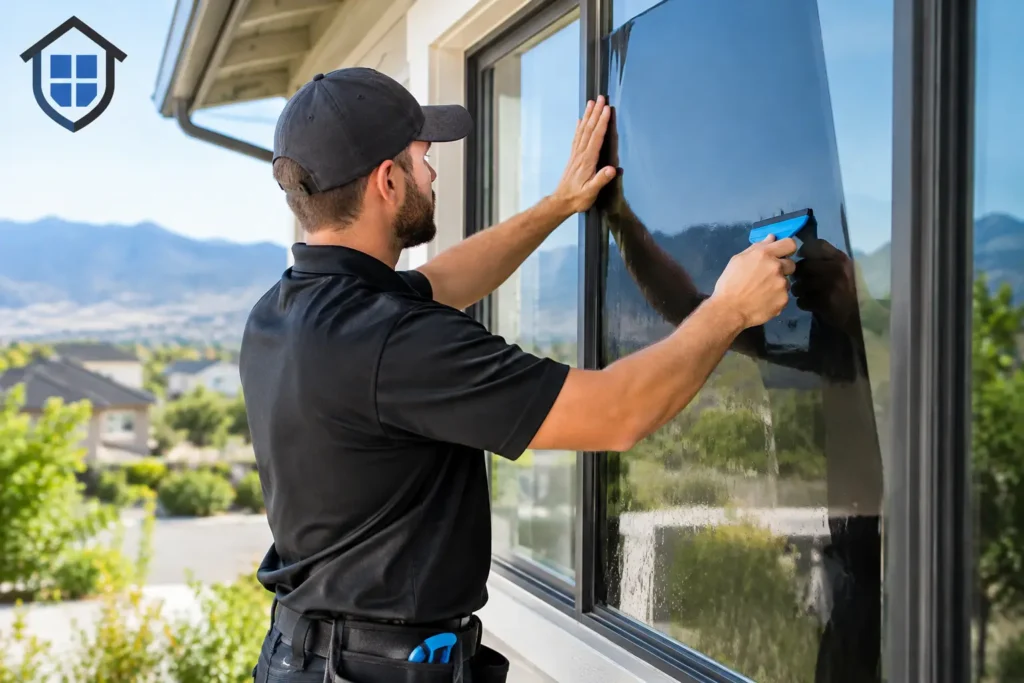
A sunny room should feel bright, not like the hottest seat in the house. If certain rooms in your Carstairs home become uncomfortable by mid-afternoon, fade your furniture, or force you to keep blinds closed, window film may be a practical answer. Carstairs residential window tinting helps homeowners manage heat, glare, UV exposure, and privacy without replacing windows that are otherwise in good condition.
The right film can make a noticeable difference, but it is not a one-size-fits-all product. Your window type, the direction it faces, the amount of shade around the home, and what you want to improve all affect the best choice. A professional assessment helps ensure the film performs as expected and is compatible with your existing glass.
What Residential Window Film Can Improve
Window tinting is often associated with vehicles, but quality architectural film is designed for the larger glass surfaces found in homes. It is applied to the interior surface of most residential windows and works by filtering a portion of solar energy before it turns into indoor heat.
For many homeowners, the first improvement is glare control. Sun reflecting off snow, nearby roofs, or open fields can make it difficult to watch television, work from a home office, or use a computer near a window. A properly selected film cuts harsh glare while still allowing useful natural light into the room.
Heat control is another major benefit. South- and west-facing windows receive intense sun during Alberta’s brighter months. Film can reduce the amount of solar heat entering through the glass, helping rooms feel more consistent and reducing the urge to run fans or air conditioning constantly. It will not replace insulation or solve a poorly performing HVAC system, but it can improve comfort in the areas that heat up fastest.
Most quality films also block a high percentage of ultraviolet rays. UV exposure contributes to fading in hardwood floors, area rugs, artwork, curtains, and upholstered furniture. Sunlight will still enter the room, and no film can stop all fading caused by visible light and heat, but UV filtering adds meaningful protection for finishes and belongings near windows.
Choosing Carstairs Residential Window Tinting for Your Home
The best residential tint depends on the problem you want to solve. A dark, highly reflective film may provide strong heat and glare reduction, but it can noticeably change the appearance of the glass and reduce visible light. That may work well in a media room or a sun-facing office, yet feel too dim in a main living area during winter.
Neutral solar-control films are often a good fit for homeowners who want comfort without making windows look heavily tinted. They can reduce heat and glare while maintaining a natural view from indoors. Ceramic options are also worth considering when high heat rejection and low reflectivity are priorities.
Privacy film serves a different purpose. Frosted or decorative film can be useful on bathroom windows, front entry sidelights, basement windows, and interior glass doors. It lets light through while obscuring the view. Reflective daytime privacy film can limit outside visibility when it is brighter outdoors than inside, but it does not provide the same privacy at night when interior lights are on. That trade-off matters, especially for bedrooms and street-facing rooms.
Before selecting a shade or finish, consider how each room is used. A home office may need glare reduction without sacrificing daylight. A nursery may benefit from UV protection and a softer level of light. A living room with large west-facing windows may need stronger solar control. Matching the film to the room produces a better result than applying the same product everywhere.
Window Compatibility Matters
Not every window should receive every type of film. Modern homes may have double- or triple-pane insulated glass, low-emissivity coatings, tempered glass, laminated glass, or sealed units with different heat tolerances. Applying the wrong film can increase thermal stress in certain glass configurations.
This is why professional installation begins with identifying the glass type and evaluating window condition. Existing cracks, damaged seals, failed insulated units, and older glass may need attention before film is installed. A qualified installer can recommend a suitable film and explain any warranty considerations clearly.
What to Expect During Installation
Residential tinting is clean, precise work. The glass is thoroughly cleaned, the film is cut to fit, and it is installed using a slip solution and specialized tools to remove moisture and air. Small amounts of moisture or a slightly hazy appearance can remain while the film cures. This is normal and generally clears as the adhesive dries.
A careful installation also requires a realistic schedule. Large windows, divided panes, hard-to-reach glass, and detailed trim can take more time than a simple rectangular window. The goal is not to rush through the job. Proper preparation and finishing around the edges help the film sit flat, look clean, and perform well over time.
Mobile service can make the process easier for homeowners who do not want to coordinate multiple trips or wait around at a shop. JDB Autoglass can provide professional window tinting service at your home, with an installer arriving prepared to assess the glass and complete the work efficiently.
After installation, avoid cleaning the windows until the film has had time to cure. Once it is ready, use a soft microfiber cloth and an ammonia-free cleaner. Abrasive pads, razor blades, and harsh chemicals can scratch the film or damage its finish.
The Real Value Is Comfort You Notice Every Day
Residential film is not only about making windows look different. It can make a bright kitchen easier to use at breakfast, stop a home office from becoming uncomfortable late in the day, and help preserve the furnishings you have already invested in. Those are everyday gains that add up over the life of the film.
It can also be a practical alternative when window replacement is not necessary or not in the budget. If frames, seals, and glass are in good condition, film allows you to improve comfort and solar performance without taking on a full window project. On the other hand, windows with moisture between panes, major drafts, or failing seals should be repaired or replaced first. Film improves the glass surface, but it cannot correct a failed window unit.
Questions to Ask Before Booking
A good installer should be able to explain what film is being recommended and why. Ask whether it is designed for your window type, how it will affect visible light, whether it changes the exterior appearance, and what warranty applies to both the film and installation.
You should also ask about expected heat and glare reduction in the specific room. Honest answers matter here. The performance of any film depends on sun exposure, glass area, exterior shading, interior blinds, and the construction of the window itself. A reliable recommendation focuses on realistic improvement, not exaggerated promises.
A Better Way to Handle Bright, Hot Rooms
If you find yourself closing blinds every afternoon or avoiding a room because the sun is too intense, residential film is worth considering. Start with the windows causing the biggest issue, choose a film suited to your glass and priorities, and have it installed with care. A few well-chosen panes can make your home more comfortable without changing the view you enjoy.