
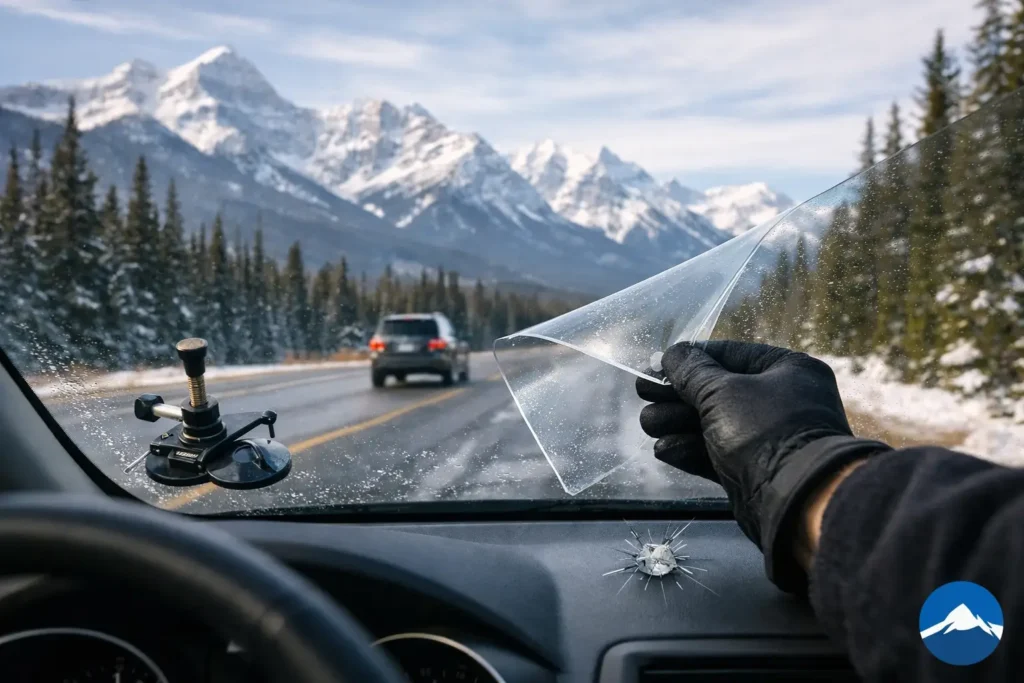
A tiny stone chip on Deerfoot Trail can look harmless at lunch and become a long crack after a cold Alberta night. The best windshield protection tips are not complicated, but acting early matters. A windshield is part of your vehicle’s safety system, and a few practical habits can help you avoid a larger repair bill, reduced visibility, and an inconvenient replacement.
Why Alberta Windshields Take a Beating
Calgary-area roads bring together several conditions that are hard on auto glass: loose gravel, construction traffic, winter sanding, rapid temperature swings, and long highway commutes. A rock chip happens when a stone strikes the outer layer of laminated windshield glass. It may stay small for a while, but vibration, moisture, and temperature changes put stress on the damaged area.
The most common mistake is waiting because the chip is outside the driver’s direct line of sight. Location does matter, but even a small chip near an edge or in a stressed area can spread quickly. Prompt attention gives a technician the best chance to repair the damage rather than replace the whole windshield.
1. Leave More Room Behind Gravel Trucks
Following closely behind a gravel truck, a work vehicle, or another car on a freshly sanded road puts your windshield directly in the path of flying debris. Leaving extra following distance is one of the simplest ways to reduce rock-chip risk.
When possible, change lanes safely rather than trying to pass closely. On rural roads around Airdrie, Crossfield, Cochrane, and surrounding communities, conditions can change quickly after road maintenance or during spring thaw. There is no way to eliminate every stone strike, but distance gives loose debris more time to drop before it reaches your vehicle.
2. Repair Rock Chips Before They Spread
A chip repair is generally faster and more affordable than windshield replacement, but timing is critical. Dirt and water can work into the break, while daily driving flexes the glass. Once a crack runs across the windshield, a repair may no longer be a safe or reliable option.
If you notice a chip, cover it with a clean piece of clear tape if conditions allow. This is only a temporary measure to keep debris out. Do not press the tape into the damaged area, and avoid washing the vehicle until it can be assessed. A certified technician can determine whether the chip’s size, depth, location, and pattern make it suitable for repair.
3. Avoid Sudden Temperature Shocks
Alberta weather can shift from a deep freeze to bright sun in a short time. Glass expands and contracts with temperature changes, and damage creates a weak point where stress can concentrate. Pouring hot water over an icy windshield is especially risky, even when you are running late.
Use your vehicle’s defroster gradually and give the cabin time to warm up. In summer, avoid blasting very cold air directly at a windshield that has been sitting in intense sun. These steps will not fix existing damage, but they can reduce the chance of a small chip turning into a crack.
4. Use a Proper Ice Scraper, Not Whatever Is Nearby
Keys, metal tools, shovels, and improvised scrapers can scratch glass or damage the windshield’s edges and mouldings. A sturdy plastic ice scraper and snow brush are inexpensive tools that help protect both the windshield and wiper blades.
Clear snow and ice gently, starting after the defroster has loosened the frost. Never bang on the glass to break ice free. If ice is heavy, be patient rather than using force. A few extra minutes in the driveway is preferable to creating damage that affects visibility or spreads along the glass.
5. Replace Worn Wiper Blades
Wipers do more than clear rain and snow. When blades are torn, hardened, or loaded with grit, they drag contaminants across the windshield and can leave scratches or streaks. Those marks become much more noticeable when facing low winter sun or oncoming headlights at night.
Inspect your wiper blades regularly, particularly after a long winter. Replace them if they chatter, skip, leave lines, or have cracked rubber. Before using wipers on a dirty windshield, use washer fluid first. Running dry blades over dust, sand, or road salt is unnecessary wear on the glass.
6. Keep the Windshield Clean Inside and Out
A clean windshield makes chips easier to spot and improves visibility in poor weather. On the outside, road film, salt, and grime can hide small damage. On the inside, fingerprints and haze cause glare that can make night driving more tiring.
Use an automotive glass cleaner and a clean microfiber cloth. Avoid household products that leave residue or contain ingredients not intended for vehicle glass. Clean the edges and lower corners too, as these areas often collect dirt but receive less attention.
Best Windshield Protection Tips for Winter Driving
Winter protection is mostly about managing moisture, ice, and stress. Keep your washer-fluid reservoir topped up with fluid rated for Alberta temperatures. Plain water can freeze in the system, while weak fluid may not clear slush effectively when you need visibility most.
Try not to run wipers over a windshield buried under ice or packed snow. Lift accumulated snow away first, then allow the defroster to loosen what remains. If your wipers are frozen to the glass, free them gently instead of pulling hard on the arms or switching them on immediately.
Parking indoors is helpful when available, but it is not the only answer. A quality windshield cover can reduce frost buildup when parked outside overnight. Remove it carefully and make sure it is clean before use, since trapped grit can scratch the glass.
7. Be Careful Around Windshield Edges
The edges of a windshield are structurally important and often more vulnerable to stress. Avoid slamming doors when windows are fully closed, especially if there is already chip damage. The pressure change inside the vehicle is small, but repeated impact and vibration can contribute to a crack spreading in compromised glass.
Also pay attention after a pothole hit, curb strike, or rough road. These events do not always cause visible damage right away. If you see a new line developing from a previous chip, arrange an inspection promptly rather than hoping it will stop.
8. Do Not Delay a Crack in the Driver’s Viewing Area
A crack or chip in front of the driver can interfere with clear vision, particularly during nighttime driving or when sunlight reflects off the damage. It can also affect whether a repair is appropriate. Safety comes before convenience here.
Some damage can be repaired if it is caught early, but not every chip qualifies. A technician will assess the break and recommend the safest option. If replacement is needed, proper installation matters as much as the glass itself. The windshield supports the roof structure and works with vehicle safety systems, so it should be installed using quality materials and correct procedures.
9. Choose Parking With Road Debris in Mind
Where you park can make a difference. Avoid stopping directly behind vehicles hauling loose material when possible, and be mindful of construction exits where trucks can track gravel onto the roadway. At work sites, parking slightly farther away from active traffic may be worth the extra walk.
Trees can create their own issues in warmer months. Sap, falling branches, and bird droppings can be difficult to remove and may obscure damage. If your vehicle is regularly parked outside, a quick visual check each week is a sensible habit.
10. Get Professional Help Before a Small Problem Becomes a Schedule Problem
DIY chip kits can be tempting, but results vary. They may be useful only in limited circumstances, and poor application can trap contaminants or make a professional repair more difficult. If the damage is fresh, a proper inspection is usually the better first step.
For busy drivers, mobile service can keep a chip repair or windshield replacement from taking over the day. JDB Autoglass brings certified mobile auto glass service to customers in Calgary, Airdrie, and nearby communities, so the work can often be completed at home or at work when conditions are suitable.
A windshield does not need much attention until it suddenly does. Check it after highway drives, deal with chips while they are still small, and treat winter ice with patience. Those small decisions protect your view of the road and give you more control over when, and whether, a larger repair is needed.