
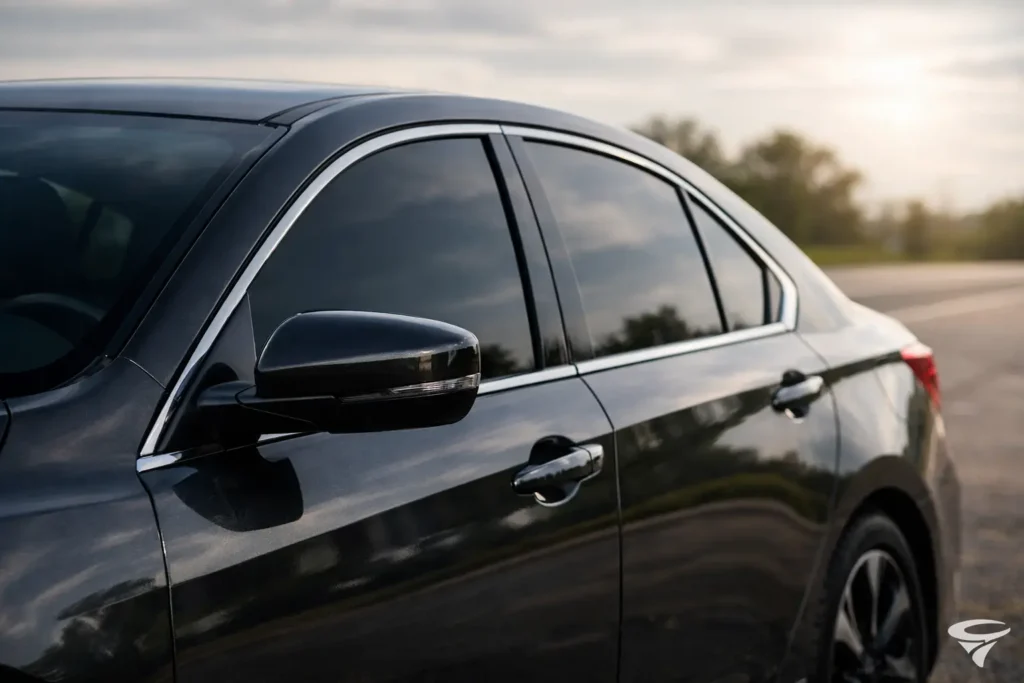
Park in the sun for one hour in an Alberta summer and your vehicle can feel like an oven by the time you get back in. That is usually when drivers start looking into carbon window tint benefits – not because they want something flashy, but because they want a cooler cabin, better comfort, and a tint that holds up.
Carbon tint sits in a practical middle ground. It gives you a noticeable upgrade over basic dyed film without pushing into the higher price range of premium ceramic options. For many daily drivers, that balance is exactly the point. You want better performance, a clean look, and something that will not turn into a peeling, purple mess a few years down the road.
What carbon window tint actually does
Carbon window film uses carbon-based particles within the material to help block heat and reduce glare. Unlike lower-end dyed films, it is built for longer-term colour stability and improved performance. That matters if your vehicle spends a lot of time outside, whether it is parked at a job site, in a driveway, or in a commuter lot.
One of the main carbon window tint benefits is that it improves comfort without making your windows look overly dark or reflective. You still get a sharp, finished appearance, but the bigger value is how the vehicle feels during everyday use.
The carbon window tint benefits drivers notice first
The first thing most people notice is heat reduction. Carbon film helps reject solar heat, so your cabin does not build up as aggressively when the sun is beating down on the glass. Your seats, steering wheel, and interior panels stay more manageable, and the air conditioning does not have to work as hard to catch up.
That difference matters more than people think. If you commute daily, shuttle kids around, or spend long hours on the road, a cooler cabin is not just a comfort upgrade. It can make the drive less tiring, especially during bright summer afternoons.
The second big benefit is glare control. Alberta roads can throw a lot at your eyes between direct sunlight, reflection off other vehicles, and winter brightness bouncing off snow. Carbon tint helps soften that glare so driving feels easier on the eyes. It does not replace safe driving habits or a clean windshield, but it can reduce strain in conditions that wear you down over time.
Then there is UV protection. Quality carbon film helps block a high percentage of harmful UV rays, which protects both passengers and the interior. Over time, UV exposure can fade upholstery, dry out trim, and age the look of your cabin faster than expected. If you plan to keep your vehicle for years, that protection adds real value.
Why carbon tint often makes more sense than basic dyed film
A lot of drivers start by comparing price, and that is fair. Dyed tint is usually cheaper upfront. The issue is that lower-cost films often show their limits sooner. They can fade, discolour, or lose their appearance over time, particularly on vehicles exposed to a lot of sun and temperature swings.
Carbon film is generally chosen by people who want to avoid doing the job twice. It holds its colour better, gives a more consistent finish, and tends to look cleaner over the long run. That makes it a good fit for owners who care about both function and resale appearance.
There is also a difference in how the tint feels from the driver seat. Basic film may darken the glass, but it does not always manage heat nearly as well. If your goal is more than appearance, carbon is often the smarter step up.
Carbon tint vs ceramic tint
This is where the answer depends on your priorities. Carbon tint performs well and offers strong value, but ceramic film is still the higher-end choice for maximum heat rejection and top-tier performance. If you spend all day in your vehicle, have a dark interior that soaks up heat, or simply want the best available option, ceramic may be worth the extra investment.
That said, not every driver needs the top shelf product. Carbon makes sense when you want solid heat reduction, UV protection, glare control, and long-term durability at a more moderate price point. For many families, commuters, and work vehicles, that is the sweet spot.
A good installer should be honest about that instead of pushing the most expensive option every time. The right film depends on your vehicle, how you use it, where it is parked, and what matters most to you.
Appearance matters too, but it should not be the only reason
There is no point pretending looks are not part of the decision. Carbon tint gives vehicles a cleaner, more finished appearance. It can sharpen the overall look of a car, truck, or SUV without creating an overly mirrored or artificial finish.
Still, appearance alone should not drive the purchase. A tint that looks good on day one but bubbles, fades, or lifts around the edges later is not a good value. Proper installation matters just as much as the film itself. Clean edges, correct curing, and legal shade selection all make a difference.
That is one reason many drivers choose a professional installer instead of a do-it-yourself kit. Window tint is one of those jobs that looks easy until you notice dust trapped under the film, uneven alignment, or peeling corners a few weeks later.
What carbon window tint benefits mean in real daily use
For a commuter, carbon tint can mean getting into the vehicle after work without bracing for a blast of trapped heat. For parents, it can help make the back seat more comfortable for children during summer drives. For tradespeople or fleet drivers, it can reduce glare and cabin heat during long hours on the road.
It also helps protect the interior from gradual wear. Dashboards, leather, fabric, and trim all take a beating from UV exposure over time. Tint will not stop every sign of ageing, but it can slow down fading and sun damage enough to keep the vehicle in better shape longer.
Privacy is another practical benefit, though it should be viewed realistically. Tint can make it harder for people to see into the vehicle, which many owners appreciate when tools, bags, or personal items are inside. It is not a security system, and it should never be treated as one, but it can add a layer of discretion.
A few trade-offs worth knowing
Carbon tint is a strong option, but it is not a magic fix. If your vehicle has a huge windshield area, a panoramic roof, or black leather that absorbs heat, you may still notice significant warmth on very hot days. Tint helps, but it works best as part of an overall strategy that includes shade, sunshades, and realistic expectations.
You also need to stay within Alberta tint rules. The wrong shade can create legal issues or visibility concerns, especially if someone is tempted to go darker than practical. A professional installer should guide you toward a film that looks good, performs well, and stays compliant.
Another point is installer quality. Even excellent carbon film can underperform if the glass was not prepared properly or the installation was rushed. Product quality and workmanship go together. One without the other is not enough.
When carbon tint is the right choice
Carbon tint is usually the right fit when you want a clear upgrade from entry-level film, care about long-term appearance, and want practical comfort benefits without jumping to the highest price tier. It suits daily drivers well because it addresses the problems most owners actually feel – heat, glare, UV exposure, and interior wear.
It is also a good choice if your vehicle spends time parked outside through Alberta’s changing seasons. A durable film with stable colour tends to age better in those conditions than cheaper alternatives.
If you are comparing options and want straightforward advice, a local installer with experience in automotive tinting can walk you through what makes sense for your vehicle and budget. At JDB Autoglass, that conversation is usually less about selling the fanciest film and more about matching the right product to how you actually drive.
A good tint job should make your vehicle more comfortable every single day, not just look better in the driveway. That is where carbon earns its place – it solves real problems you notice the moment the sun comes out.