
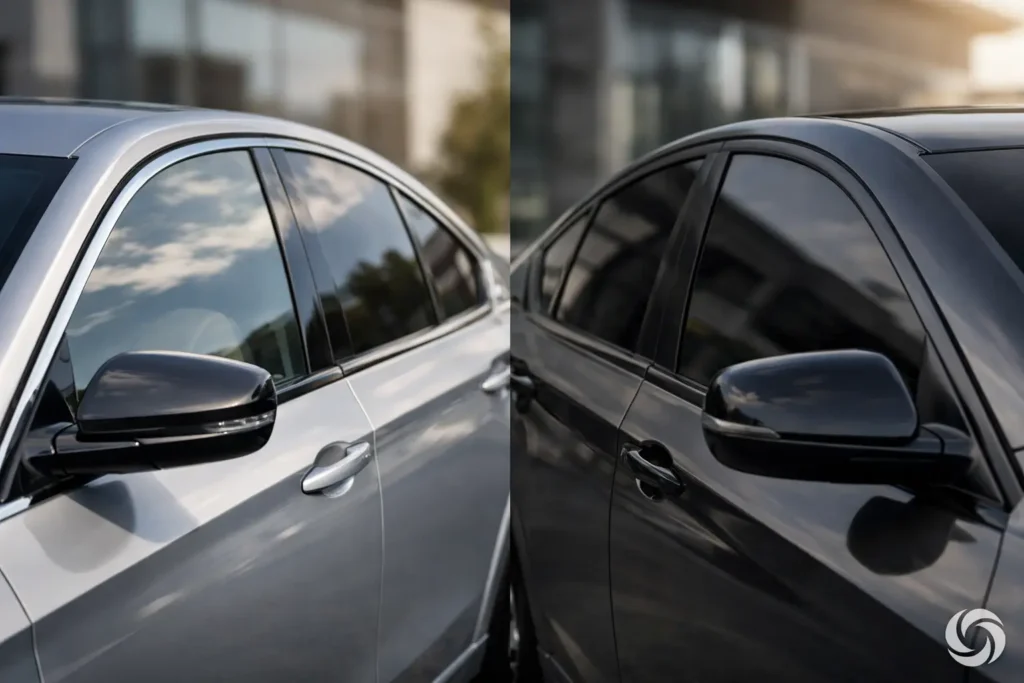
If your vehicle turns into an oven every summer afternoon, the ceramic tint vs carbon tint question matters more than most drivers expect. Both are solid upgrades over basic dyed film, but they do different jobs at different price points. The right choice depends on how long you plan to keep the vehicle, how much heat bothers you, and whether you want the best performance or the best value.
For most drivers, this decision comes down to comfort, visibility, and budget. You want less glare, less interior fading, and a cooler cabin without ending up with a film that looks cheap or needs replacing too soon. That is where ceramic and carbon stand apart.
Ceramic tint vs carbon tint: the real difference
Carbon tint is a high-quality non-metallic film that gives your windows a clean, dark finish and improves heat control compared with entry-level tint. It is known for a matte look, better fade resistance, and dependable everyday performance. If you want a noticeable upgrade without paying top-tier pricing, carbon usually lands in the sweet spot.
Ceramic tint is the premium option. It uses advanced ceramic particles in the film to block a high amount of heat and UV rays while keeping visibility strong. It does not rely on metal, so it will not interfere with electronics, and it is especially effective for drivers who spend a lot of time on the road or park outside regularly.
On paper, both sound good. In real use, ceramic tends to outperform carbon in heat rejection and overall comfort, while carbon wins on affordability.
What most drivers notice first
The first thing people usually notice is cabin temperature. On hot days, ceramic tint does a better job of cutting down the radiant heat you feel on your skin and from the glass. That can make a real difference when you get into the vehicle after work or when the sun stays on one side of the car during a long commute.
Carbon tint still helps, and for many drivers it helps enough. You will usually feel a reduction in heat and glare compared with untinted glass or lower-grade film. But if you are expecting the strongest heat control available, ceramic is the one that tends to deliver that extra step up.
The second thing drivers notice is glare. Both films reduce harsh sunlight and headlight glare, which can make driving easier on your eyes. If you do a lot of highway driving, early morning commutes, or evening trips with the sun sitting low, either option improves comfort. Ceramic just tends to do more while keeping the view outward very clear.
Heat rejection matters more than darkness
A common mistake is assuming darker tint always means better heat control. It does not. Shade level affects privacy and visible light, but the film technology affects performance.
That means a lighter ceramic film can often reject more heat than a darker carbon film. This matters for drivers who want to stay within legal tint limits, preserve good night visibility, or keep a more subtle appearance while still improving comfort.
If your priority is making the vehicle cooler, ask about heat rejection rather than only asking how dark the film can go. The film type matters just as much, if not more.
UV protection and interior protection
Both ceramic and carbon tint offer strong UV protection, which helps protect your skin and the inside of your vehicle. Dashboards, leather, vinyl, and trim all take a beating from constant sun exposure. Over time, that can mean fading, cracking, and a worn-out interior.
For families, commuters, and anyone who keeps a vehicle for years, UV protection is not just a nice extra. It helps protect the value of the vehicle and makes the cabin more comfortable day to day. In that area, both options are a strong step up from driving without tint.
Appearance and finish
Carbon tint is popular partly because of how it looks. It has a rich, non-reflective finish that many drivers prefer over lower-end films that can look flat or purple over time. If your goal is a sharp, clean appearance with solid performance, carbon is a very appealing choice.
Ceramic tint also looks excellent, but most people choose it more for performance than appearance alone. Visually, both can look premium when installed properly. The bigger difference is what they do once the sun hits the glass.
Good installation matters here. Even the best film will not look right if the edges are poor, the fit is sloppy, or contamination gets trapped during install. A proper install makes the finish look factory-clean and helps the film last.
Signal interference and modern vehicles
Years ago, metallic tint created problems for radio signals, GPS, cell service, and electronic systems. That is one reason non-metallic options became so popular.
Both carbon and ceramic films avoid that problem. If you drive a newer vehicle with built-in navigation, hands-free calling, satellite radio, or other connected features, either option is a safe choice from a signal standpoint.
That may not sound exciting, but it matters. The last thing you want is a tint that creates new frustrations after the install.
Durability and long-term value
Carbon tint is durable and built to last better than cheaper dyed films. It resists fading well, which is one of the big reasons it is considered a worthwhile upgrade. For many vehicle owners, carbon offers the right balance of performance and longevity without stretching the budget too far.
Ceramic tint is also built for long-term performance, and it generally holds its value better if you care about maximum comfort over time. If you plan to keep the vehicle for years, spend a lot of time driving, or simply want fewer compromises, the higher upfront cost can make sense.
This is where the answer becomes less about which film is better in general and more about which one is better for you. If you switch vehicles every couple of years, carbon may be the smarter spend. If you are keeping your truck, SUV, or family vehicle long term, ceramic may feel worth every dollar.
Ceramic tint vs carbon tint for Alberta drivers
Local conditions matter. Around Alberta, drivers deal with bright sun, long highway stretches, changing seasons, and plenty of time behind the wheel. Heat rejection helps in summer, but glare reduction and interior protection matter year-round too.
If your vehicle spends a lot of time parked outside, ceramic tint gives you the strongest defence against heat buildup. If you are mainly looking to improve comfort, reduce sun exposure, and sharpen the look of the vehicle at a more moderate price, carbon is often enough.
For trucks, work vehicles, and daily commuters, the decision often comes down to use. A tradesperson driving all day may appreciate ceramic more than someone who mostly makes short in-town trips. A family vehicle used for road trips may benefit from the extra comfort too, especially for rear-seat passengers.
Which tint is better for your budget?
Carbon tint usually makes sense for drivers who want premium-looking film, dependable performance, and better pricing. It is a strong middle ground – noticeably better than entry-level tint, but not as expensive as ceramic.
Ceramic tint is better for drivers who care most about heat rejection, comfort, and top-end performance. It costs more, but it earns that price by doing more.
Neither choice is wrong. The wrong choice is usually paying for performance you do not need, or trying to save money on a vehicle that would benefit from a better film every single day.
A straightforward way to think about it is this: if budget comes first, choose carbon. If comfort comes first, choose ceramic.
What to ask before you book
Before choosing a film, ask what brand is being installed, what warranty comes with it, and how the film performs in real heat rejection terms. Not all tint is equal, even within the same category. A quality ceramic film will outperform a weak one, and the same goes for carbon.
It also helps to ask about legal tint limits for your vehicle and goals. Some drivers want privacy, some want maximum comfort, and others want the cleanest factory-style look possible. A good installer should walk you through those trade-offs clearly instead of pushing one option on everyone.
At JDB Autoglass, that kind of conversation matters because the right film should match how you actually use your vehicle, not just what sounds best on paper.
So which one should you choose?
If you want the best overall performance and can justify the higher price, ceramic is the stronger option. It rejects more heat, keeps the cabin more comfortable, and delivers premium results for drivers who spend serious time on the road.
If you want a high-quality film that looks great, performs well, and keeps costs more manageable, carbon is a smart buy. For a lot of vehicle owners, it offers the most practical value.
The best tint is the one that makes your daily drive better without leaving you second-guessing the cost. Pick the film that fits how you drive, how long you will keep the vehicle, and how much relief you want when the sun is beating through the glass.