
I’ve had customers ask me this question more times than I can count: and I get it. When you’re getting a windshield replacement, the last thing you want to hear is that there’s an additional service required. But here’s the straight answer: if your vehicle has ADAS technology, calibration after windshield replacement isn’t optional: it’s essential for your safety.
Let me break down exactly what this means, why it matters, and what you need to know when choosing an auto glass shop.
What Exactly Is ADAS?
ADAS stands for Advanced Driver Assistance Systems: the suite of safety technologies in modern vehicles that help you avoid collisions, stay in your lane, and brake automatically in emergencies.
If your car has features like lane departure warning, adaptive cruise control, automatic emergency braking, or collision warning systems, you’ve got ADAS. These systems rely on cameras and sensors mounted on or near your windshield to monitor the road ahead.
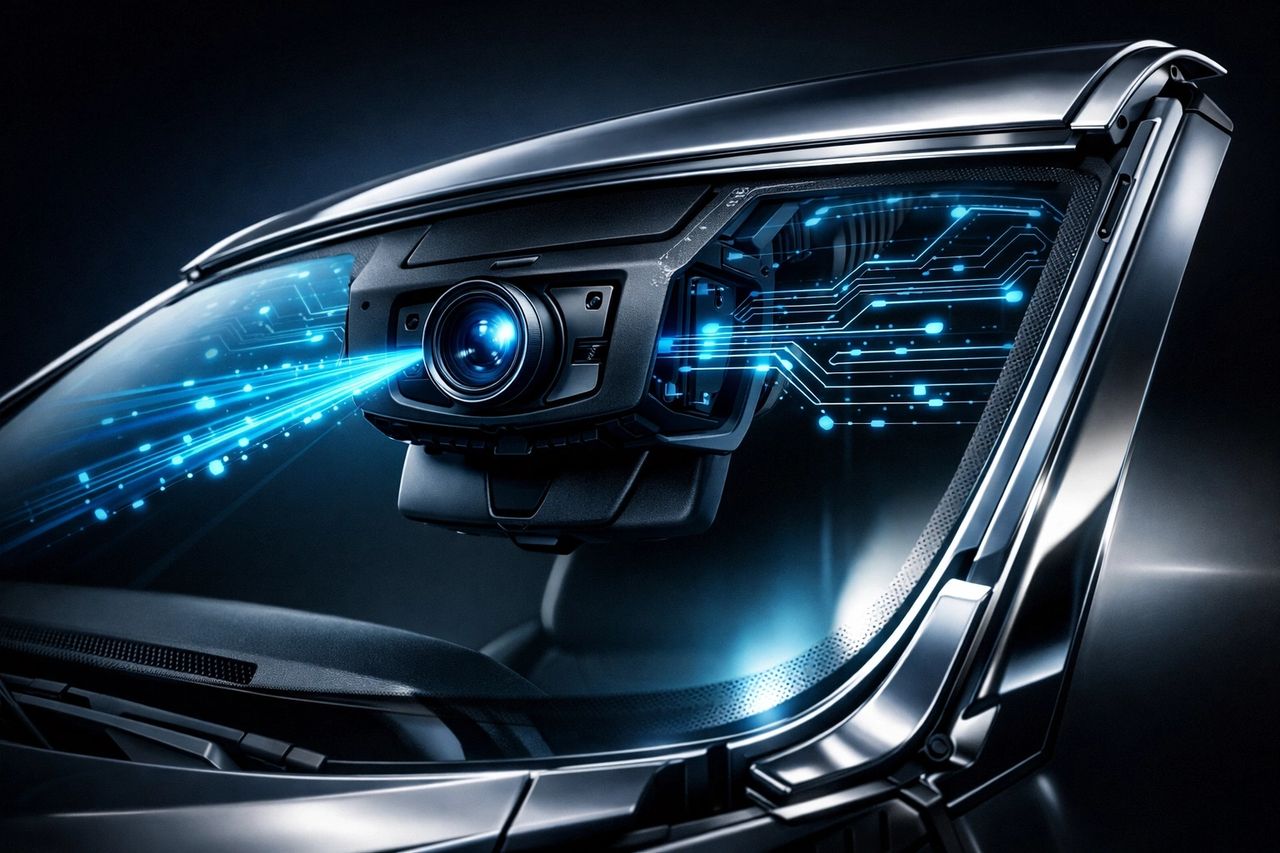
The front-facing camera is typically positioned behind your rearview mirror, looking through the windshield to “see” the road. This camera feeds critical data to your vehicle’s computer system, which then makes split-second decisions about when to alert you or intervene.
Why Windshield Replacement Always Requires Recalibration
When I remove your old windshield and install a new one, something changes: even if it looks identical to you.
The new glass might have a slightly different thickness, curvature, or mounting angle. Even a difference of a few millimeters can throw off the camera’s field of view. That camera needs to be positioned at an exact angle and height to accurately interpret lane markings, measure distances to other vehicles, and detect pedestrians.
Think of it like this: if you wear glasses and someone bends the frames slightly, everything looks off. The same principle applies to your ADAS camera. The windshield replacement process disrupts the precise alignment the system needs to function correctly.
This isn’t my opinion: automakers and the National Highway Traffic Safety Administration (NHTSA) require recalibration after any windshield replacement on ADAS-equipped vehicles. Nearly all vehicle manufacturers explicitly state this requirement in their service guidelines.
What Happens When You Skip Calibration
I’ll be direct with you: skipping ADAS calibration puts you and your passengers at serious risk.
.webp/:/rs=w:1280 "Does Your Windshield Replacement Really Need ADAS Calibration?")
Your lane departure warning might fail to detect lane markings accurately, meaning it won’t alert you when you’re drifting out of your lane. Your adaptive cruise control could misjudge the distance to the vehicle ahead, leading to delayed braking or incorrect speed adjustments.
Worst of all, your automatic emergency braking system might fail to activate at the critical moment when detecting a pedestrian or obstacle in your path. It could also trigger false alarms constantly, which leads many drivers to simply disable the system altogether: defeating its entire purpose.
Insurance companies understand these risks, which is why most require ADAS calibration as part of windshield replacement claims. If you skip this step and later have an accident where ADAS should have prevented or minimized the collision, your insurer may deny the claim or refuse coverage.
The Calibration Process: What Actually Happens
ADAS calibration requires specialized equipment and training. There are two types: static calibration and dynamic calibration.
Static calibration happens in a controlled shop environment. I position your vehicle in front of a specific target board with precise patterns and measurements. The calibration equipment communicates with your vehicle’s computer system to realign the camera’s parameters based on what it sees.
Dynamic calibration involves driving the vehicle on the road at specific speeds while the system recalibrates itself based on real-world conditions: lane markings, road signs, and traffic patterns.
Many vehicles require both types of calibration for complete accuracy. The process typically takes 1-2 hours, depending on your vehicle’s make and model.
Not All Auto Glass Shops Are Equipped for This
Here’s something critical you need to know: not every shop that can replace a windshield can properly calibrate ADAS.
Calibration requires significant investment in equipment: often $15,000 to $50,000 depending on the manufacturer-specific tools needed. It also requires ongoing training as vehicle technology evolves.
When you’re comparing quotes for auto glass replacement, always ask these questions:
- Does the quoted price include ADAS calibration if my vehicle requires it?
- Who performs the calibration: in-house or a third party?
- Are the technicians certified for my vehicle’s specific make and model?
- Will I receive a calibration certificate upon completion?
A suspiciously low quote often means calibration isn’t included: and you’ll either pay more later or drive away with a safety system that doesn’t work correctly.
What This Means for Your Next Windshield Replacement
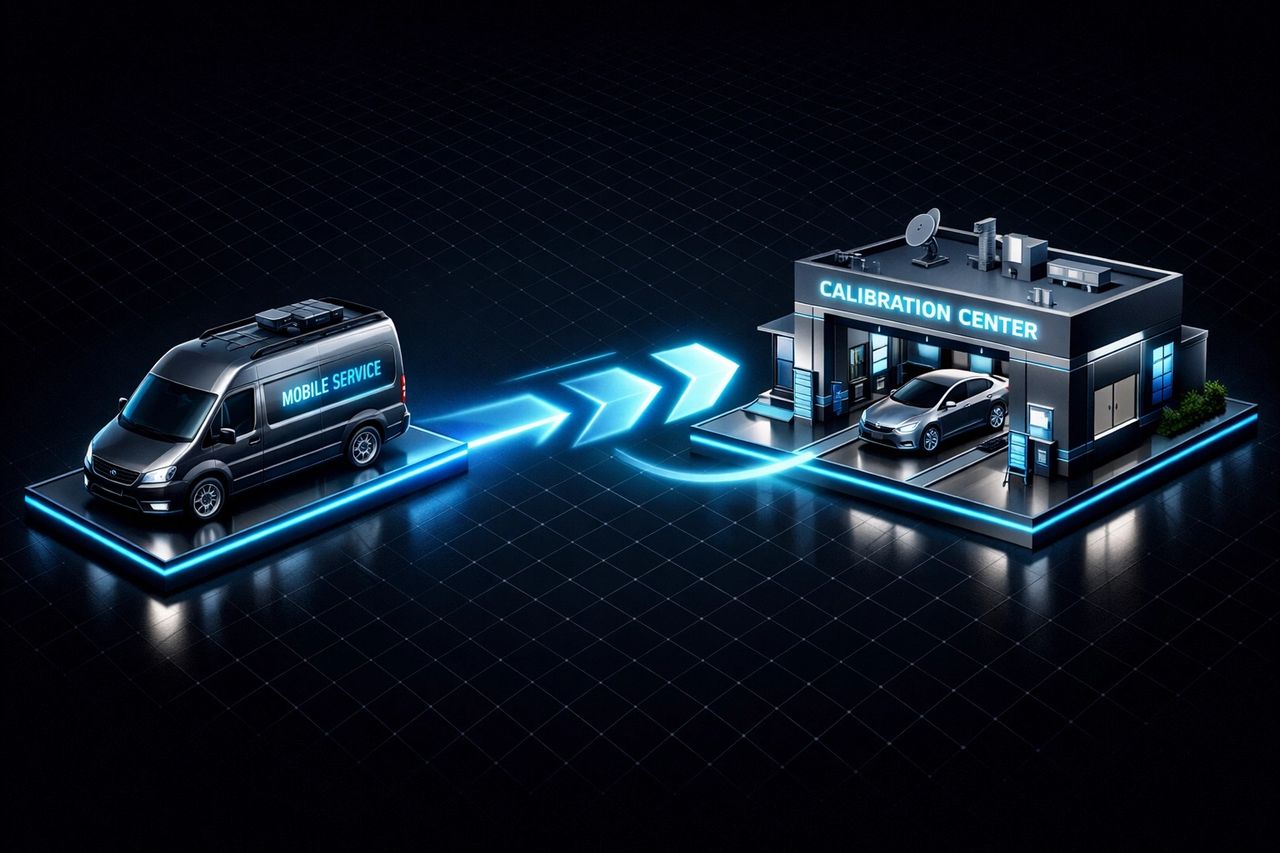
If you need a windshield replacement and your vehicle has ADAS features, here’s my recommendation: choose a shop that either performs calibration in-house or has established partnerships with certified calibration facilities.
At JDB Autoglass, I prioritize transparency about the entire process. When you contact me for a quote, I’ll ask about your vehicle’s make, model, and year to determine if ADAS calibration is required. The quote I provide includes all necessary services: no surprises later.
If you’re unsure whether your vehicle has ADAS, I can help you figure that out. Generally, if your car was manufactured after 2015 and has any of these features, it likely has an ADAS camera:
- Lane departure warning
- Lane keeping assist
- Adaptive cruise control
- Automatic emergency braking
- Forward collision warning
- Traffic sign recognition
Your vehicle’s owner’s manual will also specify if ADAS is present: look for references to front-facing cameras or driver assistance systems.
The Bottom Line on ADAS Calibration
Your vehicle’s safety systems are only as good as their calibration. After a windshield replacement, those systems need to be recalibrated to function correctly: there’s no way around it.
This isn’t about upselling services you don’t need. It’s about making sure the safety features you rely on actually work when you need them most. Whether it’s preventing you from drifting into another lane during a moment of distraction or automatically braking to avoid a collision, ADAS technology saves lives: but only when it’s properly calibrated.
When you’re ready for your windshield replacement, reach out to me at JDB Autoglass. I’ll walk you through exactly what your vehicle needs, provide transparent pricing that includes all required services, and ensure your safety systems are functioning exactly as the manufacturer intended.
Because at the end of the day, getting you back on the road safely is what matters most: not cutting corners to offer the lowest price.
Need a quote for windshield replacement with proper ADAS calibration? Contact JDB Autoglass today and let’s make sure your vehicle’s safety systems are working the way they should.