
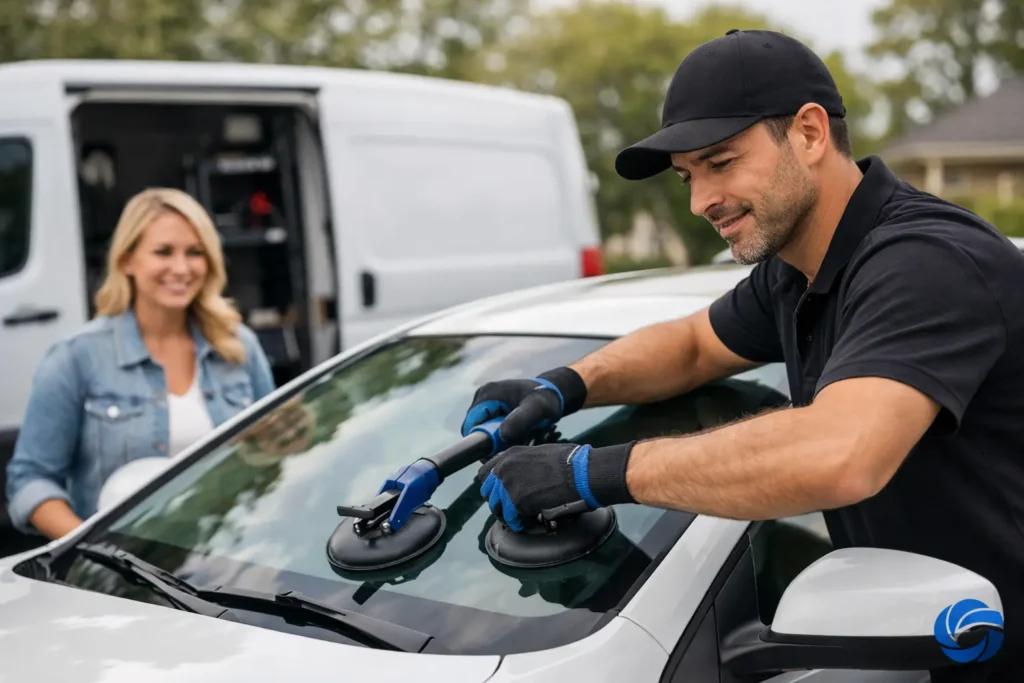
A cracked windshield rarely happens at a convenient time. It might be after a highway commute, during a week packed with appointments, or when your work truck is needed on site. Mobile auto glass service removes one major problem from the equation: getting the vehicle to a shop while the glass damage is still fresh.
For drivers in Airdrie, Calgary, and nearby communities, the right mobile technician can complete many windshield repairs, replacements, and side or rear window jobs where the vehicle is parked. That means less time arranging rides, sitting in a waiting room, or losing a productive day. The key is knowing when mobile service is a good fit, what the job requires, and why prompt attention can save both time and money.
When Mobile Auto Glass Service Is the Right Call
Mobile service works especially well when the vehicle can remain parked in a safe, reasonably accessible location. A driveway, garage, workplace parking lot, fleet yard, or job site can all be suitable, provided there is enough room for the technician to work around the vehicle.
It is a practical option for a small rock chip that needs prompt repair, a cracked windshield that requires replacement, or a broken side window after a break-in. It also helps busy families, tradespeople, commuters, and fleet operators avoid the disruption of taking a vehicle out of service for a shop visit.
The condition of the glass matters more than the inconvenience of the damage. A small chip may often be repaired if it is addressed early. Once dirt and moisture enter the break, or temperature changes cause cracks to spread, replacement may become the safer and more reliable option. Alberta weather can speed that process up. A cold morning, a hot defroster setting, or the vibration of everyday driving can turn a manageable chip into a long crack.
Rock Chips Should Not Be Put Off
A proper rock chip repair is designed to stabilize the damaged area and improve visibility. It does not make every mark disappear completely, and an honest technician should set that expectation before starting. The goal is to prevent the chip from spreading and restore as much clarity and strength as possible.
Repair is generally worth considering when the damage is small, outside the driver’s critical viewing area, and has not developed into a crack. However, chips near the edge of a windshield can be more likely to spread because that area carries more stress. Damage directly in front of the driver may also call for replacement if a repair would leave a distracting mark.
Covering a fresh chip with clear tape can help keep out moisture and debris until the appointment. Avoid pressing on it, blasting it with hot air, or washing the vehicle with high-pressure water before it is assessed.
Repair or Replacement: The Decision Comes Down to Safety
Windshields do more than block wind, rain, and road debris. They support the vehicle’s structure and play a role in airbag performance and roof strength. That is why the cheapest or quickest answer is not always the right one.
A certified technician will look at the size, depth, placement, and type of damage before recommending repair or replacement. Replacement is commonly needed when there is a long crack, extensive impact damage, damage at the edge, or a break that affects the driver’s line of sight. Side and rear glass are often made differently from windshields and typically need replacement after they shatter.
For vehicles with cameras or driver-assistance features, windshield replacement can involve additional steps. Forward-facing cameras and sensors may need calibration after the new windshield is installed. This is not an optional add-on when the vehicle manufacturer requires it. Accurate calibration helps systems such as lane support, forward collision alerts, and automatic emergency braking operate as intended.
Mobile installation can still be possible for many of these vehicles, but it depends on the vehicle, the required calibration method, and the site conditions. A dependable provider will explain what is required before booking rather than making promises that compromise safety.
What a Professional Mobile Appointment Looks Like
Convenience should not mean cutting corners. A professional mobile appointment starts with confirming the vehicle details, the type of glass needed, the damage location, and the service address. Sharing the year, make, model, VIN when available, and photos of the damage can help ensure the technician arrives prepared.
On arrival, the technician should inspect the damage and verify the planned work. For a windshield replacement, that includes protecting the vehicle’s paint, dash, and interior, removing the damaged glass carefully, and preparing the frame so the new windshield can bond correctly.
Quality adhesive and proper curing time are critical. The vehicle should not be driven until the adhesive has reached its safe drive-away time. That timing can vary based on the product used, temperature, humidity, and the vehicle itself. If someone tells you the vehicle can be driven immediately without explaining the adhesive cure requirements, ask more questions.
After installation, the technician should check the fit, clean the work area, remove broken glass where applicable, and explain any aftercare. You may be asked to avoid slamming doors, removing retention tape, or using a high-pressure car wash for a short period. These are simple steps, but they help protect the seal while it finishes curing.
Site Conditions Matter More Than Most Drivers Realize
A mobile auto glass service is built for convenience, but the work still needs the right environment. Extreme cold, heavy rain, blowing snow, high winds, or an unprotected work area can affect installation quality and adhesive curing. A garage or covered area is often ideal during difficult weather.
Access matters too. The vehicle should be parked where doors can open fully and where the technician can safely move around it. A crowded street, tight underground stall, or active construction zone may not be the best setting. In some situations, rescheduling or using a controlled location is the better decision.
This is one of the real trade-offs of mobile service. The technician comes to you, but safe installation standards still come first. The best providers will be upfront when weather or location creates a concern instead of forcing a job through under poor conditions.
Choosing a Mobile Glass Company With Confidence
Auto glass work affects visibility and vehicle safety, so it is reasonable to ask a few direct questions before booking. Look for a company that uses trained technicians, carries proper insurance, provides a clear warranty, and is willing to explain the recommended repair or replacement.
Price matters, but a quote should also make sense. Confirm whether it includes the glass, mouldings or clips if needed, labour, mobile travel, disposal, and any calibration requirements. A low price can become less attractive if necessary items appear later as surprises.
It is also worth asking about the materials being used. Quality replacement glass and adhesives help support a proper fit and lasting seal. For tinting, film quality matters for heat rejection, UV protection, colour stability, and appearance. Premium ceramic and carbon films can offer meaningful benefits, but the right choice depends on your vehicle, budget, and how you use it.
JDB Autoglass provides mobile glass and tinting service with certified workmanship, insured service, and warranty-backed jobs, so customers can arrange professional help without putting their schedule on hold.
Do Not Drive With Unsafe Glass if You Can Avoid It
A vehicle with shattered side glass, a badly cracked windshield, or loose glass around the frame may not be safe to drive. Broken pieces can continue falling into the cabin, weather can damage the interior, and reduced visibility creates an obvious risk. If the damage affects your ability to see clearly or the glass is unstable, park the vehicle safely and arrange service rather than taking chances on the road.
For a minor chip, the practical move is just as simple: deal with it before the next cold snap, rough road, or temperature swing makes it worse. A quick assessment can tell you whether a repair is still possible and help you make a decision before a small piece of road debris becomes a bigger interruption.