
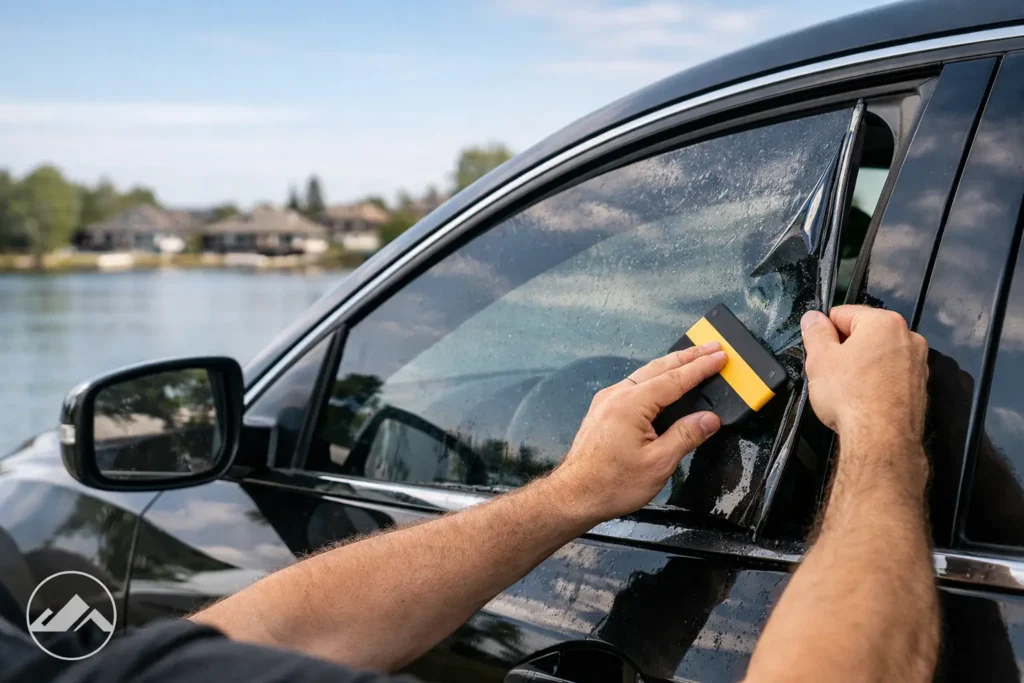
A sunny Alberta drive can turn a parked vehicle into an oven quickly. Chestermere car window tinting is not just about giving your vehicle a sharper look – it is a practical way to reduce glare, manage cabin heat, protect interiors from UV exposure, and make daily driving more comfortable.
The result depends on more than choosing a dark shade. Film quality, local tint rules, glass preparation, and the installer’s technique all affect how your tint performs and how it looks years from now. A clean, professional installation should improve your vehicle without bubbles, peeling edges, hazy glass, or a finish that distracts from the road.
What Good Window Tint Does for Your Vehicle
Window tint can make an immediate difference when your vehicle spends time outside at work, at home, or near the lake. Quality automotive film helps reject solar heat before it builds up in the cabin. That means less strain on your air conditioning, a more comfortable steering wheel and seat after parking, and fewer uncomfortable commutes on bright afternoons.
It also reduces glare. Sun glare and reflections off snow can make it harder to see clearly, especially during early-morning and late-day drives. Tint will not replace sunglasses or safe driving habits, but the right film can reduce harsh light entering through the side and rear windows.
UV protection matters as well. Sun exposure can fade dashboards, upholstery, door panels, and trim over time. Premium window films help block UV rays that contribute to this wear. For families, commuters, tradespeople, and anyone who keeps a vehicle for several years, protecting the interior can help preserve its condition and resale value.
Privacy is another common reason people consider tint. A properly tinted rear section can make personal items, tools, and cargo less visible from outside. It is not a replacement for keeping valuables out of sight, but it adds a useful layer of discretion when your vehicle is parked.
Choosing the Right Tint Shade and Film
The darkest option is not automatically the best choice. The right tint depends on how you use your vehicle, how much night driving you do, and which windows can legally be tinted. A driver who spends long hours on the road after dark may prefer a lighter shade than someone who mainly wants more privacy and heat control in the rear of an SUV.
In Alberta, automotive window tint rules need to be considered before installation. Restrictions apply to windows that affect a driver’s visibility, particularly at the front of the vehicle. A professional installer should discuss compliant options with you instead of applying a film that could create safety concerns or lead to an unwanted ticket.
Film type matters just as much as shade. Lower-cost dyed films may provide a darker appearance, but they can fade, discolour, or lose performance over time. Carbon film offers a clean appearance and solid heat rejection without the overly reflective look some drivers want to avoid. Ceramic film is often the premium choice for drivers who want strong heat rejection, UV protection, and clear visibility without relying on an extremely dark tint.
JDB Autoglass uses premium options such as Mirtek Ceramic Film and ASWF Carbon Film because performance matters after the installation day. The goal is a finish that looks right, handles Alberta sun exposure, and continues to do its job through changing seasons.
Ceramic or Carbon: Which Is Better?
Ceramic tint is a strong fit for drivers focused on maximum comfort. It can reject more heat while maintaining excellent clarity, making it especially useful for vehicles with large glass areas, dark interiors, or frequent highway use. It generally costs more, but the added heat control can be worthwhile if cabin comfort is your main priority.
Carbon tint is a dependable middle ground. It offers a rich, non-reflective finish and useful heat reduction at a more accessible price point. It may be the better choice when you want a quality upgrade that balances appearance, privacy, and budget.
A good installer will ask what you want from the tint before recommending a film. If the only question is “How dark can you make it?” you may not end up with the most useful result.
Why Professional Installation Makes the Difference
Window tint installation is detail work. The glass must be cleaned thoroughly, the film needs to be accurately cut and positioned, and moisture has to be properly worked out during application. A rushed job can leave contamination trapped beneath the film, uneven edges around the glass, visible fingers, or bubbles that never settle properly.
Some small water pockets can be normal immediately after installation. Tint needs curing time, and that process can take longer in cooler weather. During that period, the film may look slightly hazy or show minor moisture marks. Those should improve as the film cures. Large bubbles, lifting edges, scratches, or dirt beneath the film are different issues and should be addressed.
Professional installation also protects the vehicle itself. Modern vehicles have tight trim, defroster lines, sensors, electronics, and glass shapes that require care. Experienced technicians know how to work around these details without creating unnecessary damage or leaving a mess behind.
For busy Chestermere drivers, mobile service can make the process much easier. Rather than rearranging your day around a shop appointment, a qualified mobile technician can complete the work at your home, workplace, or another suitable location. The installation area still needs to be clean, dry, and protected from harsh weather, but mobile service can remove a major scheduling headache.
Preparing Your Vehicle for Window Tinting
A little preparation helps ensure a smooth appointment. Remove personal items from the dashboard, door pockets, rear seat area, and cargo space if the rear glass is being tinted. If your vehicle has a child seat close to a window being worked on, it may need to be moved temporarily.
Try not to schedule tinting immediately before a long trip if possible. You will need to avoid rolling down tinted windows while the film cures, and the timing depends on weather conditions. Your installer should provide clear aftercare instructions based on the film used and the conditions on installation day.
It also helps to mention any existing issues before the appointment. Damaged weather stripping, scratched glass, old tint, aftermarket accessories, or a rear defroster that is already not working can all affect the job. Clear information upfront allows the technician to set accurate expectations and recommend the right approach.
How to Care for Newly Tinted Windows
Once the film has cured, maintenance is simple. Use a soft microfiber cloth and an ammonia-free glass cleaner. Avoid abrasive pads, rough paper towels, and harsh chemicals that can scratch the film or affect its finish.
Be patient during the first few days. Do not lower the windows until you have been told it is safe to do so. Rear-window tint may take longer to cure because of the larger surface area and defroster lines. Alberta weather can also affect curing times, particularly when temperatures are cool or humidity is high.
If you notice a concern after the recommended curing period, contact the installer rather than trying to press, peel, or cut the film yourself. Warranty-backed workmanship gives you a clear path to have legitimate installation issues inspected and resolved.
A Better Fit for Everyday Alberta Driving
The best Chestermere car window tinting is the option that improves your daily drive without sacrificing safety or compliance. For one vehicle owner, that may mean ceramic film for better heat control during long commutes. For another, it may mean carbon tint on the rear windows for privacy, glare reduction, and a clean finished look.
Choose film based on how you drive, insist on careful installation, and give the tint time to cure properly. When those details are handled right, window tint becomes one of the few vehicle upgrades you notice every time the sun is out.