
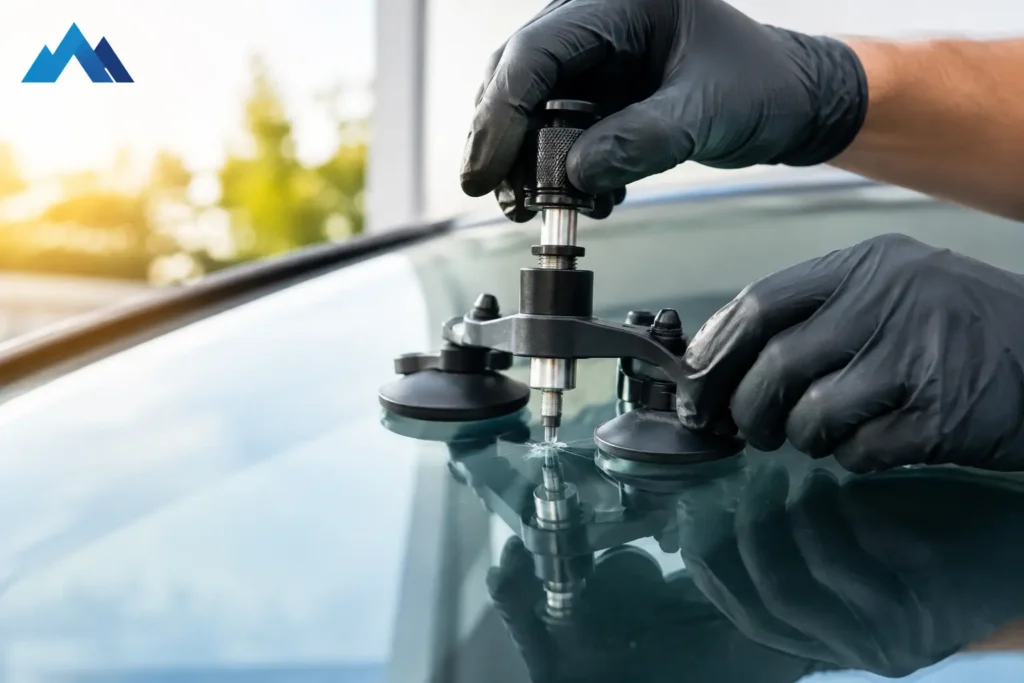
A rock chip can look minor when you first spot it in the driveway or after a highway commute. But in Alberta, a small impact point can change quickly with temperature swings, rough roads, moisture, and daily driving. The best times for chip repair are usually earlier than most drivers expect: as soon as the chip is noticed and before it has a chance to collect dirt or develop cracks.
Windshield repair is often quick when the damage is fresh, contained, and accessible. Waiting can turn a repairable chip into a longer crack that requires a full windshield replacement. For busy drivers in Calgary, Airdrie, and surrounding communities, acting early can protect both visibility and the cost of the repair.
The Best Times for Chip Repair Are Sooner Than You Think
The right time for chip repair is not based on a particular day of the week or season. It is based on the condition of the glass. If a rock hits your windshield and leaves a visible chip, the best move is to arrange an inspection as soon as possible.
Fresh chips are generally easier to repair because the resin can bond more effectively when the break is clean. Every trip after the impact gives water, road dust, washer fluid, and debris another opportunity to work into the damaged area. Once contamination gets inside, a repair may still be possible, but the finished result can be less clear.
A chip may look stable for days, then spread across the windshield after one cold night or a hard pothole. That uncertainty is why prompt repair makes sense. You do not need to wait for a crack to decide the damage needs attention.
Right after the rock strike
The ideal window is immediately after the chip happens. Pull over safely when practical and take a close look at the damage. A small star break, bullseye, combination break, or surface chip may be repairable if it has not spread too far.
If you cannot book service right away, cover the chip with a clean, clear piece of tape. This is a simple temporary step that can help keep out moisture and dirt. Do not press on the damaged spot, and avoid using opaque tape that could leave adhesive behind or block your view.
Before cold weather makes it worse
Calgary-area weather can put a windshield under real stress. Glass expands and contracts as temperatures change. A chip that seems harmless in mild afternoon weather can spread when temperatures fall overnight, especially if there is moisture inside the break.
This does not mean chip repairs cannot be completed in winter. A qualified mobile technician can assess the glass and use the proper process for the conditions. It does mean that waiting through a cold spell is a gamble. Repairing the damage before a sharp temperature drop can help prevent a small problem from becoming a cracked windshield.
Before using defrost or washing the vehicle
Avoid blasting the front defrost directly at a damaged windshield if you can. Rapid heat applied to cold glass creates uneven stress, and that can encourage a chip to run into a crack. The same goes for pouring hot water on an icy windshield. It may seem like a shortcut on a frosty morning, but it can make existing damage worse.
A car wash is another reason to schedule repair first when possible. Water and cleaning products can enter an open chip. If the windshield needs washing, keep the pressure away from the damaged area and make the repair appointment a priority.
When a Chip Is Still a Good Candidate for Repair
Not every chip needs windshield replacement. Many chips can be repaired when they are relatively small, have not developed long cracks, and are located away from the driver’s main viewing area. The final decision depends on the shape, depth, location, and condition of the damage.
A repair technician will also look for signs that the inner layer of the windshield has been affected. Windshields are made from laminated safety glass, with two glass layers bonded around a plastic layer. Damage limited to the outer glass is often more repair-friendly than damage that reaches deeper into the windshield.
There is a trade-off worth understanding. Windshield repair is designed to restore structural integrity and stop the damage from spreading. It can significantly improve the appearance of a chip, but it may not make every mark disappear completely. A faint blemish can remain, particularly if the break is older or contaminated. That is still usually preferable to allowing the damage to spread unchecked.
Times When You Should Not Wait at All
Some windshield damage calls for faster action than others. A chip near the edge of the windshield deserves prompt attention because the edge is under more stress and cracks can spread from there quickly. Damage directly in the driver’s line of sight should also be inspected early, since visibility matters as much as the size of the chip.
You should also avoid waiting when the chip has visible legs extending outward, when the glass has begun to crack, or when the vehicle will be exposed to major temperature changes. A long commute, regular highway driving, gravel roads, construction zones, and winter parking outdoors can all put added strain on weakened glass.
For fleet vehicles, work trucks, and family vehicles that spend a lot of time on the road, early repair is especially practical. A small chip can become an unexpected downtime issue at the worst possible moment. Addressing it while it is manageable is usually easier than reorganizing a workday around windshield replacement.
Choosing the Right Conditions for a Mobile Repair
A mobile chip repair can be a convenient option because the vehicle does not have to sit at a shop while you rearrange your day. The technician can often come to your home, workplace, or another suitable location, provided there is safe access to the vehicle and reasonable working conditions.
A covered space is helpful during rain, snow, or extreme weather, but it is not always required. The key is protecting the repair area from moisture and contamination while the work is completed. If the weather is severe, a professional may recommend moving the appointment, using a garage, or choosing another sheltered location to protect the quality of the repair.
It is also best to arrive with the windshield free of heavy ice and snow. Do not scrape aggressively over the chip. Clear the surrounding glass carefully, let the technician know when the damage occurred, and mention whether the vehicle has been through a wash or driven in rain since the impact. Those details can help set realistic expectations for the repair.
How to Keep a New Chip From Spreading Before Service
Once you have noticed a chip, treat the windshield gently until it is repaired. Keep the cabin temperature changes gradual where possible. Avoid slamming doors, hitting potholes when you can safely avoid them, and directing high-pressure water at the damaged area.
Do not attempt a DIY repair kit if the chip is large, cracked, dirty, or located in a sensitive viewing area. Store-bought kits can be useful in limited circumstances, but they leave little room for correction if resin is applied poorly or debris remains trapped in the break. A professional assessment gives you a clearer answer on whether repair is still the right option.
If the chip starts spreading before your appointment, take a photo and contact the repair provider. A small change does not always mean replacement is required, but it can affect the recommended service.
A Small Repair That Protects Your Schedule
The best time to repair a windshield chip is before it starts demanding more of your time and money. A prompt inspection gives you the best chance of preserving the original windshield, maintaining clear visibility, and avoiding the disruption of a larger glass job. If you have just noticed a chip, protect it from moisture, skip the extreme heat, and arrange professional help while the damage is still small.