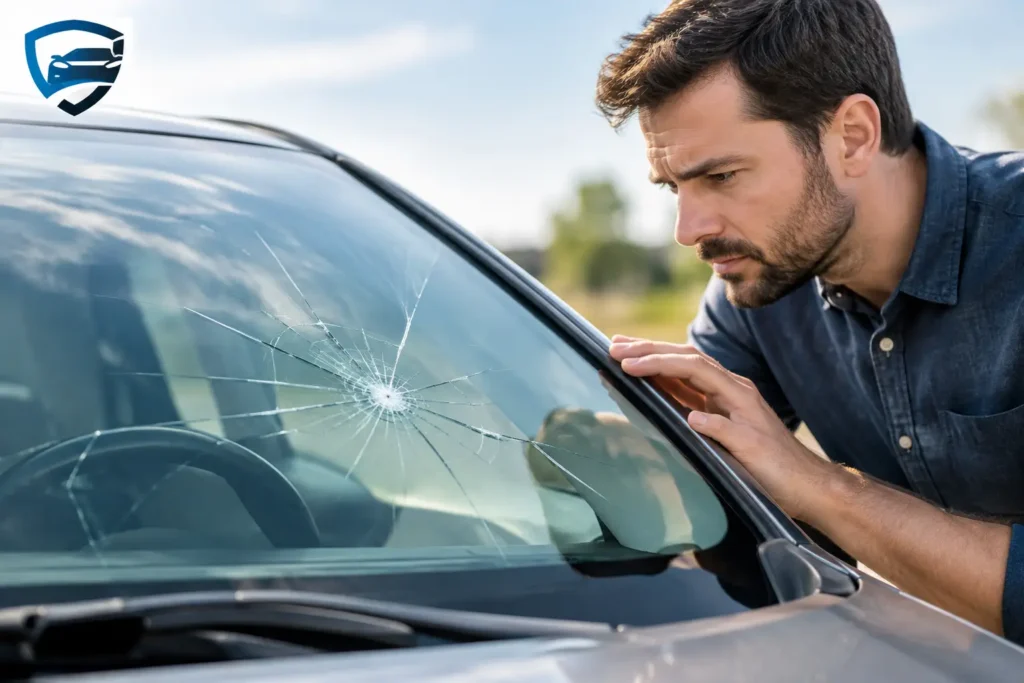
A rock chip can look minor when you first spot it in the driveway. Then a cold Alberta morning, a pothole, or a blast of defrost heat turns that small mark into a crack across the windshield. Auto glass is not just there to block wind, rain, and road noise. It is a key part of your vehicle’s safety system, and waiting too long can turn a quick repair into a full replacement.
For drivers in Calgary, Airdrie, and surrounding communities, the right decision usually comes down to three things: where the damage is, how large it is, and whether the glass can still do its job safely. Here is what to look for before booking service.
Why Auto Glass Damage Deserves a Quick Response
Your windshield helps support the roof structure of your vehicle. It also provides a stable surface for the passenger-side airbag to deploy against in many vehicles. If the glass is badly cracked, improperly installed, or weakened around the edges, it may not perform as intended in a collision.
Visibility matters just as much. A chip, star break, or crack directly in the driver’s line of sight can catch sunlight and headlights, creating glare when you need a clear view of the road. Even damage that seems harmless can become distracting during rain, snow, or night driving.
Alberta weather is especially hard on damaged glass. Rapid temperature changes make glass expand and contract. A windshield with an existing chip is more likely to crack when the heat comes on, the temperature drops overnight, or the vehicle hits rough pavement. There is no guaranteed timeline, but chips rarely improve on their own.
When Auto Glass Repair Is Usually the Right Call
Windshield repair is often the practical option when the damage is small, recent, and outside the driver’s primary viewing area. During a repair, a technician cleans the break, removes moisture and air where possible, then fills it with a specialized resin cured under UV light. The goal is to restore strength and limit the chance of the damage spreading.
A repair may be suitable when the chip is roughly the size of a loonie or smaller, depending on its shape and depth. Small bullseyes, stars, and combination breaks can often be repaired if they have not developed long cracks.
The sooner you arrange a rock chip repair, the better. Dirt, water, road salt, and washer fluid can work into the break and affect the result. If you notice a fresh chip, avoid pressing on it or washing the vehicle with high pressure. A small piece of clear tape over the damaged area can help keep debris out until it is inspected.
Repair is generally faster and more affordable than replacement, but it is not a cosmetic eraser. Most repairs leave some visible trace, especially if the chip has collected dirt. The real value is stopping or slowing further cracking and preserving the original windshield when it is still safe to do so.
Signs Your Windshield Should Be Replaced
Some damage cannot be safely repaired. Replacement is often recommended when there is a long crack, multiple impact points, damage near the windshield edge, or a break that reaches the inner layer of laminated glass.
Damage in the driver’s critical viewing area also deserves careful attention. Even if a technician can technically fill a chip, the remaining mark may still distort your view. For that reason, replacement can be the safer choice when the repair would leave noticeable visual interference.
Modern windshields may contain more technology than drivers realize. Features such as rain sensors, heated glass, heads-up display areas, lane-assist cameras, and forward collision systems can be connected to the windshield installation. A proper replacement may require camera calibration so those safety features continue to work accurately.
Do not ignore a crack running toward the edge of the windshield. The outer perimeter plays an important role in the glass structure, and edge cracks tend to spread quickly. What starts as a short crack can become a replacement job after one cold night or a drive down a rough gravel road.
Side and Rear Window Damage Is Different
Side and rear windows are commonly made from tempered glass rather than laminated windshield glass. When tempered glass breaks, it often shatters into many small pieces. Repair is generally not an option, so replacement is the usual solution.
If a side or rear window has been broken by an impact or break-in, protect the interior from moisture and avoid driving with loose glass in the vehicle. A professional replacement includes removing broken pieces from the door, seals, cargo area, and window tracks before fitting the correct replacement glass.
Why Proper Installation Matters as Much as the Glass
Choosing replacement glass is only part of the job. The preparation and installation process affect safety, water resistance, wind noise, and how well the windshield stays bonded to the vehicle.
A qualified technician should inspect the pinch weld area, remove old urethane correctly, prepare the surface, and use the proper adhesive for the vehicle and weather conditions. The vehicle also needs to meet the adhesive manufacturer’s safe drive-away time before returning to the road.
This is not a place to cut corners for a lower price. Poor installation can lead to leaks, rattles, trim issues, corrosion around the frame, or a windshield that does not provide the intended structural support. Ask about the workmanship warranty and whether calibration will be addressed if your vehicle has windshield-mounted safety cameras.
Mobile Service Makes Glass Work Easier to Schedule
A cracked windshield should not automatically mean taking time off work, arranging a ride, or sitting in a waiting room. Mobile auto glass service can bring qualified installation or repair to your home, workplace, or another suitable location.
There are limits. Replacement work needs a clean, dry, reasonably sheltered space, particularly during poor weather. Some jobs may be better completed in a controlled shop setting if rain, extreme cold, or limited space could affect adhesive performance. A reliable provider will explain what is practical rather than forcing a mobile appointment that is not right for the job.
For busy families, tradespeople, commuters, and fleet operators, mobile service can reduce downtime considerably. JDB Autoglass provides mobile service with certified technicians, warranty-backed workmanship, and clear communication about the work required.
What to Do Before Your Appointment
A little preparation helps the appointment go smoothly. Remove personal items from the dashboard, seats, and cargo area near the damaged glass. If your vehicle has parking passes, dash cameras, decals, or transponders attached to the windshield, ask the technician whether they can be transferred or if you should remove them first.
If you are booking a windshield replacement, provide your vehicle year, make, model, trim, and VIN when requested. The VIN helps confirm options such as acoustic glass, heating elements, sensors, camera brackets, and factory tint. Two vehicles of the same model year can require different glass.
It also helps to send clear photos of the damage. For a chip, include a close image and a photo showing its location on the windshield. For broken side or rear glass, show the window opening and any visible markings on the remaining glass. This gives the technician a better chance of bringing the right materials on the first visit.
Do Not Let a Small Chip Make the Decision for You
The best time to deal with damaged glass is before weather and road vibration make the choice for you. A professional assessment can quickly tell you whether repair is realistic or whether replacement is the safer, longer-lasting option. Clear glass, proper installation, and a job backed by a warranty are practical protections every time you get behind the wheel.