
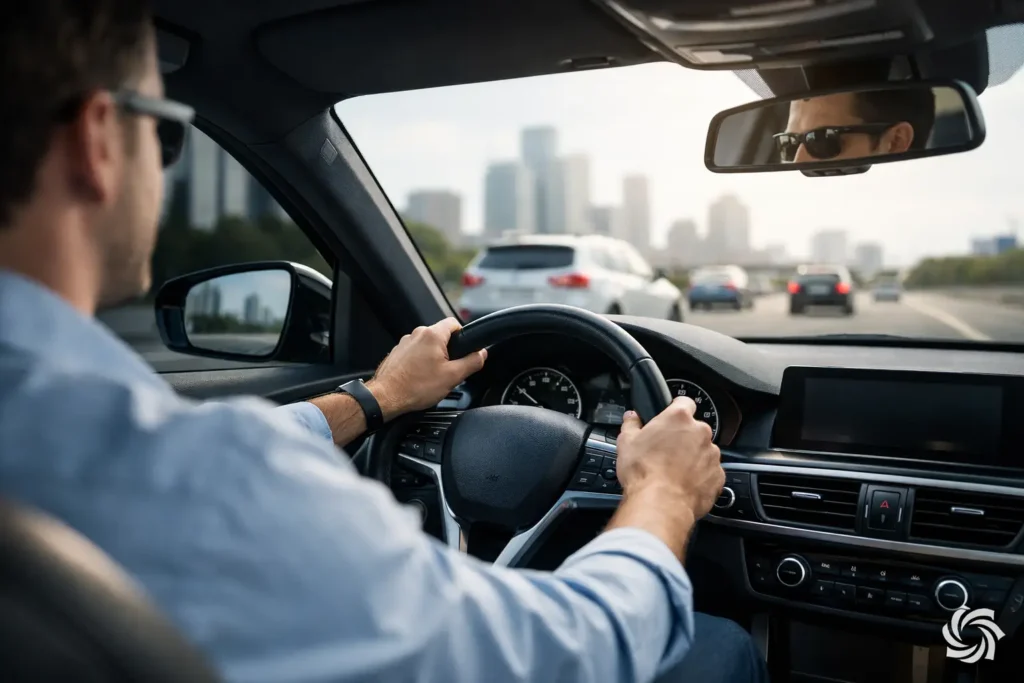
That late-afternoon drive home can wear you out before you even reach your driveway. Sun in your eyes, heat building through the glass, and constant glare off pavement and snow all add up. If you are trying to choose the best window tint for commuters, the right answer is usually the one that makes daily driving more comfortable without creating problems at night or in changing Alberta conditions.
For most commuters, window tint is not about looks first. It is about cutting glare, keeping cabin temperatures more stable, reducing UV exposure, and making long drives easier on your eyes. The catch is that not every film performs the same way, and the darkest option is not always the smartest one.
What makes the best window tint for commuters?
A good commuter tint needs to do four jobs well. It should reduce heat, cut harsh glare, block UV, and still let you see clearly in early mornings, evenings, rain, and winter conditions. That balance matters more than a showroom-dark appearance.
Commuters in Alberta deal with more than summer heat. Low sun angles in winter, glare bouncing off snow, and long stretches of highway driving can be just as tiring as a hot July afternoon. That is why film quality matters as much as shade level. A better film can reject more heat and glare without forcing you into an overly dark tint.
The best choice also depends on how you use your vehicle. Someone driving into the city five days a week has different needs than a weekend-only driver. If you spend one to two hours a day behind the wheel, comfort and visibility should carry more weight than appearance.
Ceramic, carbon, or dyed film?
When people ask about the best window tint for commuters, they are usually comparing three main types of film. The short version is simple: ceramic tends to perform best, carbon is a strong middle-ground option, and dyed film is usually the budget choice.
Ceramic tint
Ceramic film is the premium option for a reason. It does an excellent job rejecting heat, reducing glare, and blocking UV rays while maintaining clear visibility. For commuters, that means a cooler interior when your vehicle sits in a parking lot and less strain during bright daytime driving.
Another advantage is consistency. Good ceramic film does not interfere with visibility the way lower-quality dark films sometimes can, and it is less likely to fade over time. If comfort is your top priority and you spend a lot of time on the road, ceramic is often the strongest long-term value.
The trade-off is cost. Ceramic film costs more up front, so it may not be the right fit for every budget. But for drivers who commute daily, the added performance is noticeable.
Carbon tint
Carbon film sits in a practical middle spot. It offers solid heat rejection, good UV protection, and a clean appearance without the price tag of ceramic. For many drivers, carbon gives enough improvement in comfort to make the daily drive easier without pushing the budget too far.
It also tends to hold its colour well and performs better than entry-level dyed film. If you want a noticeable upgrade from basic tint but do not need the highest heat rejection available, carbon is a smart option.
Dyed tint
Dyed film is usually the lowest-cost route. It can improve privacy and reduce some glare, but it does not offer the same level of heat rejection or long-term performance as carbon or ceramic. For occasional drivers, it may be good enough. For commuters who spend serious time in their vehicle, it often falls short where it matters most.
That does not make dyed tint useless. It just means it is usually chosen for price first, not for top performance.
Darker is not always better
A common mistake is assuming the best commuter tint is simply the darkest legal shade. In practice, that can create problems. Dark tint may reduce visible light enough to make early morning starts, night driving, underground parking, and poor weather more difficult.
That matters in Canada, where daylight changes sharply by season. In the winter, many commuters are driving in low light both ways. If the tint is too dark, comfort during the day can come at the cost of visibility when conditions turn.
A lighter, higher-quality film often makes more sense than a darker, lower-grade one. For example, a premium ceramic film in a moderate shade can block significant heat and UV while keeping sightlines more comfortable after sunset. That is usually a better daily-driving setup than going as dark as possible.
The real benefits commuters notice
People tend to feel the difference from good window tint in small ways that add up over time. Your steering wheel is not as hot after work. Your seat does not feel like it has been sitting in direct sun for hours. You do not squint as much on the highway, and the cabin feels more manageable even before the AC fully catches up.
There is also the UV factor. Long commutes mean long exposure through side glass, especially on bright days. Quality tint helps protect your skin and reduces interior fading on seats, trim, and dashboards. If you plan to keep your vehicle for years, that protection matters.
Privacy can be a bonus too, but for most commuters it should stay a secondary benefit. Visibility and comfort are the bigger reasons to invest in better film.
How to choose the right tint for your commute
Start with your driving pattern. If you are on the road every weekday, park outside often, and want the best comfort level possible, ceramic is usually the best fit. If you want dependable performance at a more moderate price, carbon is often the practical answer.
Then think about when you drive. If your commute happens before sunrise in winter or late after work, avoid choosing tint based only on how it looks during daylight. Night visibility matters. A balanced shade will serve you better than an aggressive one.
Your vehicle also plays a role. Large trucks, SUVs, and vehicles with big side windows often benefit more noticeably from higher-performing film because there is simply more glass letting in heat and glare. Smaller cars still benefit, but the comfort change may feel even more dramatic in larger vehicles.
Finally, the installer matters. Even the best film can disappoint if it is installed poorly. Clean edges, proper curing, and legal compliance all affect the end result. A professional installer should explain your options clearly instead of pushing the darkest or most expensive film without asking how you actually drive.
What commuters in Alberta should keep in mind
Local driving conditions change the conversation. In Alberta, window tint has to work across bright summer days, reflective winter roads, and fast temperature swings. Commuters often need a setup that reduces daytime fatigue without compromising cold-weather visibility.
This is where premium materials can make the difference. High-quality ceramic and carbon films are built to perform more consistently and hold up better over time. For drivers who rely on their vehicle every day, that reliability is worth paying attention to.
At JDB Autoglass, that is why premium film options matter. The goal is not to sell tint for the sake of tint. It is to install something that actually improves your daily drive and holds up under real use.
So what is the best choice?
If you want the clearest answer, the best window tint for commuters is usually ceramic film in a moderate shade. It gives the strongest mix of heat rejection, glare reduction, UV protection, and daily comfort without forcing you into a tint level that may feel too dark when light conditions change.
Carbon film is the best value option for many drivers. It performs well, looks good, and suits people who want a meaningful upgrade without going straight to a premium price point.
Dyed film still has a place for tighter budgets, but if commuting comfort is your main reason for tinting your vehicle, it is rarely the top pick.
The best tint is the one that fits how you actually drive, not the one that looks best in a parking lot. If your commute leaves you dealing with glare, heat, and eye strain every day, choosing better film is one of the few upgrades you will notice every single time you get behind the wheel.