
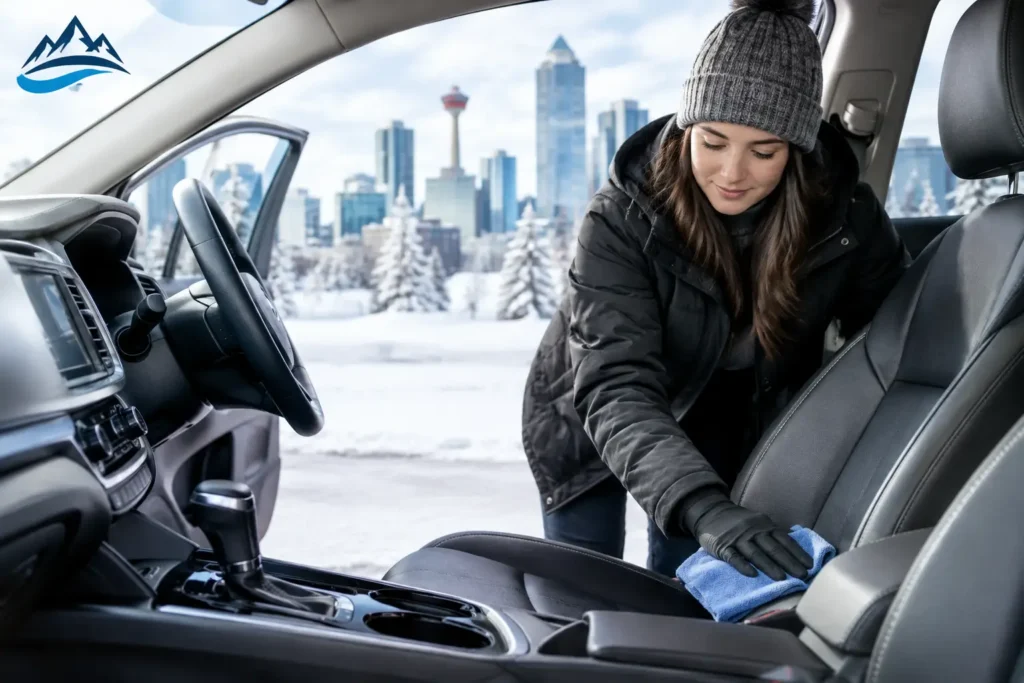
A Calgary commute can be hard on more than your windshield. Winter slush brings grit and road salt into the cabin, summer sun bakes dashboards, and one rushed coffee stop can leave a stain that never quite disappears. Knowing how to protect car interior materials means dealing with those everyday problems before they turn into faded trim, cracked vinyl, worn carpet, or lingering odours.
The good news is that interior protection does not require constant detailing or expensive upgrades. A few practical habits, the right protective products, and professional window tinting where it makes sense can keep your vehicle cleaner, more comfortable, and easier to sell or trade later.
Start With the Surfaces That Take the Most Abuse
Not every part of your cabin wears at the same rate. Floor mats, driver-side upholstery, the steering wheel, door panels, and dashboard deserve the most attention because they are exposed to shoes, hands, spills, and direct sunlight every day.
Start by removing dirt before it gets ground into the material. Sand, gravel, and salt crystals act like fine abrasives under your shoes and on fabric seats. Vacuum the carpets and seats regularly, especially around seat tracks, under child seats, and along door sills. A quick vacuum once or twice a month is much easier than trying to restore heavily embedded dirt in spring.
For hard surfaces, use a clean microfibre cloth with a cleaner made for automotive interiors. Household cleaners can leave shiny residue, dry out vinyl, or damage touchscreen coatings. The goal is a clean, natural-looking finish, not a slippery dashboard that reflects in the windshield.
Protect the Floor From Alberta Slush and Salt
In Alberta, footwear brings in more than water. Road salt, de-icing chemicals, mud, and snowmelt can soak into factory carpet and remain there long after the visible mess is gone. Over time, this can create stains, odours, and corrosion around floor hardware.
All-weather floor mats are one of the most useful interior upgrades for drivers who deal with winter conditions. Choose mats with raised edges that contain water rather than thin mats that allow it to run onto the carpet. Make sure they fit properly and cannot slide under the pedals. A mat that interferes with braking or acceleration is not worth the convenience.
Empty and rinse the mats as needed through winter. If snowmelt has reached the carpet, blot it dry promptly and use airflow to help the area dry fully. Leaving damp carpet sealed inside a warm vehicle is how mildew smells start. For work trucks, family vehicles, and fleet units, a cargo liner is also worth considering. It protects the area most likely to see tools, sports gear, strollers, groceries, and dirty boots.
Limit Sun Damage Before It Starts
Strong sun does more than make a parked vehicle uncomfortable. UV exposure can fade upholstery, bleach trim, dry leather, and contribute to dashboard cracking. Dark interiors can become especially hot, while lighter interiors often show staining and discolouration more easily.
A windshield sunshade helps when your vehicle will be parked outside for hours. It is inexpensive, simple to use, and reduces the heat hitting the dash directly. Parking in a garage or shade when possible also helps, but most Calgary and Airdrie drivers cannot rely on that every day.
Quality automotive window tint offers longer-term protection by reducing UV exposure and solar heat entering through the side and rear windows. It can make a noticeable difference for commuters, families with children in the back seat, and anyone whose vehicle sits outdoors during the workday. The right film depends on your vehicle, visibility needs, and applicable tint rules, so professional installation matters. Poorly installed film can bubble, peel, or interfere with the clean appearance you are trying to preserve.
Ceramic film is often a strong choice when heat rejection is the priority, while carbon film can provide a clean appearance and UV protection at a different price point. The best option depends on your budget and how you use the vehicle. A professional installer can explain the trade-offs clearly rather than selling a one-size-fits-all solution.
Keep Food, Drinks, and Odours Under Control
Most interior stains become permanent because they are left too long. Blot spills right away instead of rubbing them deeper into the fabric. Use a clean cloth to absorb as much liquid as possible, then use an interior-safe cleaner suited to the material. Leather, cloth, suede-like inserts, vinyl, and carpet each need different treatment.
Be careful with fragranced sprays that promise to cover odours. They may mask the smell for a short time, but they do not remove the source. If a drink has soaked into carpet padding, a seat cushion, or the headliner, it may need a deeper clean and thorough drying.
Set a few simple rules that suit your household. Keeping a small garbage bag in the vehicle, using spill-resistant travel mugs, and avoiding open food on long drives can make a real difference. For families, seat protectors under child seats can help, but check that the product does not affect proper child-seat installation.
Care for Leather, Cloth, and Plastic Differently
Interior materials are not interchangeable. Using the wrong cleaner can cause more damage than the dirt you are trying to remove.
Leather needs gentle cleaning and occasional conditioning to prevent it from drying out. Avoid heavy oils or overly glossy dressings, which can leave seats slick and attract dust. If your vehicle has perforated leather, use minimal product and avoid soaking the holes.
Cloth seats benefit from regular vacuuming and prompt spot cleaning. Fabric protectants can help repel spills, particularly in family vehicles, but they are not a substitute for cleaning a spill quickly. Test any product on a hidden area first, since some materials can change colour or texture.
Plastic and vinyl trim should be cleaned with a product designed for automotive use. Keep dressing away from steering wheels, pedals, shifters, and controls. These surfaces need grip, not shine. A clean microfibre cloth is often all that is needed for screens, provided it is dry or only lightly dampened with an appropriate screen-safe cleaner.
Do Not Ignore Window and Glass Care
Clean glass is part of protecting the cabin. Dirty interior windows can create glare, reduce visibility, and make the whole vehicle feel neglected. Use an ammonia-free automotive glass cleaner, particularly if your vehicle has window tint. Ammonia-based cleaners may damage certain films over time.
If a side or rear window breaks, arrange replacement promptly. Beyond the obvious security risk, broken glass can work its way into carpeting, seats, and door panels. Moisture can also enter the cabin if the opening is temporarily covered but not properly sealed. A careful glass replacement includes removing loose fragments from the vehicle, not just fitting new glass.
Windshield damage matters too. A spreading crack can affect safety and visibility, but it also allows more road noise and can make heating and defrosting less effective. Repairing a rock chip early is usually quicker and less disruptive than waiting for a replacement. For busy drivers in Calgary and nearby communities, mobile service can make that easier to handle without losing a day at a shop.
Build a Simple Routine That You Will Actually Keep
The best protection plan is one you can maintain. Every week or two, remove garbage, shake out the mats, wipe obvious dust, and deal with new stains. Once a month, vacuum carpets and seats, clean the glass, and inspect high-touch areas. At the end of winter, give the cabin a more thorough clean to remove salt residue and dry any damp areas completely.
If your vehicle carries pets, kids, tools, or crews, plan for more frequent cleaning rather than expecting it to stay showroom-clean. Seat covers, cargo liners, and durable mats can be worthwhile because they take the abuse instead of the original materials. Just make sure they fit safely and do not block airbags, seat belts, or anchors.
A well-kept interior is not only about appearance. It makes daily driving more comfortable, supports better visibility, helps preserve resale value, and prevents small problems from becoming expensive detailing work later. If heat and UV are a major concern in your vehicle, a professionally installed tint can be a practical next step. JDB Autoglass provides mobile automotive tinting for drivers who want that protection without rearranging their schedule.
Your vehicle does a lot of work through Calgary winters and bright Alberta summers. Give the interior the same attention you give the oil changes and tires, and it will stay cleaner, safer, and more comfortable for the miles ahead.