
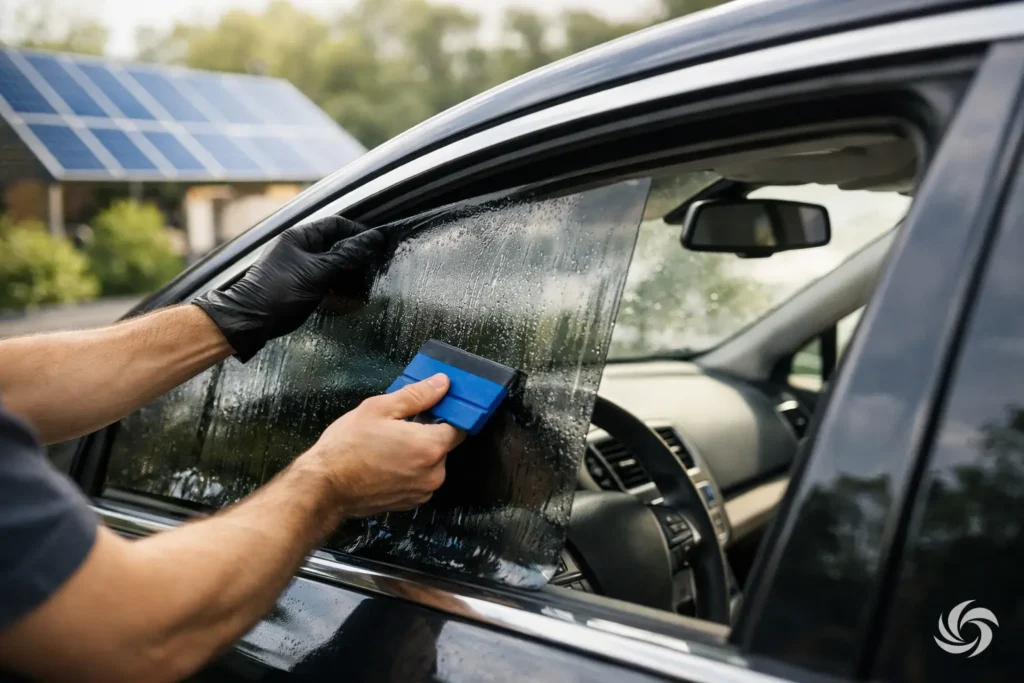
Park your vehicle in the Alberta sun for a couple of hours and you feel it the second you open the door. The seats are hot, the steering wheel is hard to touch, and the cab takes forever to cool down. That is one of the biggest reasons drivers start looking into the top benefits of window tinting – not for looks alone, but for day-to-day comfort, protection, and practicality.
A good tint job does more than darken glass. It helps manage heat, cuts glare, protects your interior, and adds privacy without changing how you use your vehicle. For busy drivers, families, commuters, and tradespeople, that matters. If you spend a lot of time on the road or leave your vehicle parked outside at work, those small improvements add up quickly.
Why the top benefits of window tinting matter
Window tinting is one of those upgrades that feels simple until you live with it. Then you notice the difference every day. Your cabin is more comfortable, the sun is less harsh on your eyes, and your vehicle does not feel like it is taking a beating every time it sits in a parking lot.
That said, not every film performs the same way. The real value depends on the material, the installer, and whether the tint level suits your vehicle and local regulations. A cheap film may bubble, fade, or turn purple. A professionally installed, high-quality film is built to last and gives you the performance you are paying for.
Heat reduction makes everyday driving easier
For many drivers, heat rejection is at the top of the list. Quality window film helps reduce how much solar heat enters your vehicle, which can make a noticeable difference during warmer months and on bright sunny days.
That does not mean your vehicle will stay cold if it sits outside all afternoon. Tint is not a replacement for air conditioning, and it will not stop all heat buildup. What it does do is reduce the intensity. Your interior may cool down faster, your drive starts more comfortably, and your AC does not need to work as hard right away.
This is especially useful if you commute daily, drive for work, or have kids getting into the back seat after school or activities. Less trapped heat means less discomfort and less strain during the hottest parts of the day.
UV protection helps protect both people and interiors
One of the most overlooked benefits of window tinting is UV protection. Premium films can block a high percentage of harmful ultraviolet rays, which matters more than many drivers realize.
UV exposure through vehicle glass adds up over time, especially if you spend long hours on the road. Blocking those rays helps reduce exposure for drivers and passengers, which is a practical health benefit. It also helps protect the inside of your vehicle. Sunlight can fade upholstery, dry out leather, and wear down dashboards, trim, and other interior surfaces.
If you plan to keep your vehicle for years, this matters. Interior damage rarely happens all at once. It shows up gradually, and by the time you notice it, it is already expensive to fix or impossible to reverse.
Glare reduction improves visibility and comfort
Glare is tiring. Bright afternoon sun, reflected light off snow, and headlights at dusk can all make driving harder than it needs to be. Window tint helps cut that glare and gives your eyes a break.
This benefit is not just about comfort. Better glare control can help you stay more focused on the road, especially on longer drives or during high-brightness conditions. In Alberta, where sun and snow can create strong reflected light, that extra visual comfort can make a real difference.
There is a balance, though. Go too dark and visibility at night may suffer, especially on side windows. That is why professional guidance matters. The goal is to improve daytime comfort without creating problems after dark.
Privacy is useful, not just cosmetic
People often think of tint as a style upgrade first, but privacy is a practical benefit. A tinted vehicle makes it harder for passersby to see tools, bags, electronics, or other valuables left inside.
It is not a guarantee against theft, and it should never replace basic common sense. If something valuable is visible, your best move is still to remove it from the vehicle. But added privacy can reduce casual visibility and make your interior less of a display case.
That same privacy also makes the vehicle more comfortable for passengers. Families with children, rideshare drivers, and anyone who spends a lot of time parked in public places often appreciate that extra sense of separation.
Interior preservation can help maintain value
Vehicles take a beating from sunlight over time. Seats fade. Trim dries out. Plastics lose their original finish. Window tint helps slow that process down by limiting UV exposure and reducing heat stress inside the cabin.
If resale value matters to you, keeping the interior in better shape is a practical win. A clean, well-preserved cabin usually leaves a better impression than one with faded surfaces and sun damage. Even if you are not planning to sell soon, it is easier to enjoy a vehicle that still looks well cared for years later.
This is one of those benefits people do not always think about when they book tint. They focus on heat or appearance at first, then realize later that the interior has held up better because of it.
The right tint can improve the overall look of your vehicle
Appearance is not the only reason to tint your windows, but it is still a valid one. A professionally tinted vehicle often looks cleaner, sharper, and more finished.
The key word is professionally. Poor film choice or uneven installation can make even a newer vehicle look worse, not better. Clean edges, proper curing, and a film that suits the vehicle all matter. A subtle, legal tint often gives the best result because it improves the look without drawing the wrong kind of attention.
For some owners, this is part of taking pride in their vehicle. For others, it is simply nice to invest in something that adds function and improves appearance at the same time.
Shatter resistance adds another layer of protection
Window film does not make glass unbreakable, but it can help hold shattered glass together if a window is struck or damaged. That can reduce the way glass scatters during certain impacts.
This benefit has limits, and it should not be treated as a substitute for proper automotive safety systems. Still, it is one more reason many drivers see tinting as more than a cosmetic add-on. In everyday use, extra film strength can provide some added reassurance.
Better driving comfort usually means better long-term satisfaction
When people talk about the top benefits of window tinting, they often list heat reduction, UV protection, glare control, and privacy separately. In real life, those benefits work together. You feel more comfortable in the vehicle, your passengers are happier, and the interior holds up better.
That combination is why tinting tends to be one of the more satisfying upgrades for daily drivers. It affects every trip, not just the occasional one. You notice it in school pickup lines, on job sites, during commutes, and when your vehicle has been parked outside all day.
A few things to consider before booking
Tinting is worth doing properly. Film quality matters, and so does installation. A lower-priced job may look fine for a short time, then start peeling, bubbling, or changing colour. Fixing a bad tint job often costs more than doing it right the first time.
It is also important to choose a film and shade that fit your needs. If heat rejection is the priority, the darkest film is not always the best answer. Some premium films are designed to reject heat effectively without going overly dark. If night visibility is a concern, that should be part of the conversation before installation starts.
Legal compliance matters too. Tint laws can vary, and a reputable installer should help you understand what works for your vehicle while staying within the rules. A good result is not just about appearance. It is about performance, safety, and avoiding headaches later.
For drivers who want a more comfortable vehicle without a major modification, window tinting is one of the smartest upgrades available. Done well, it pays you back in smaller annoyances avoided every single day – less heat, less glare, less fading, and a better driving experience from the moment you get behind the wheel.
If you are considering tint, think beyond how it will look in the parking lot. Think about how it will feel on the road, in traffic, at pickup time, and after a long day when you open the door and your vehicle is still comfortable enough to get in and go.