
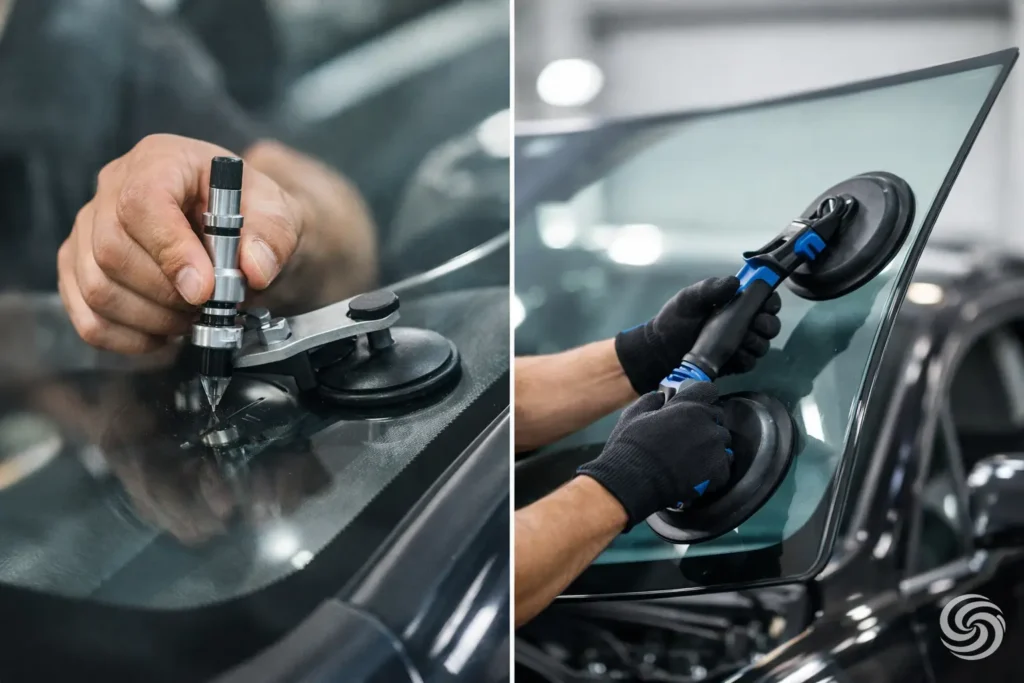
That small chip from a gravel truck can look harmless in the morning and turn into a full crack by the drive home. When that happens, most drivers ask the same question: windshield repair vs replacement – which one do you actually need?
The honest answer is that it depends on the size, depth, and location of the damage, along with the type of vehicle you drive. Some chips can be repaired quickly and safely. Others weaken the glass enough that replacement is the better call, even if the damage does not look dramatic at first glance.
Windshield repair vs replacement: what decides it?
A windshield is not just a piece of glass that keeps bugs and weather out. It helps support the roof, contributes to airbag performance, and gives you a clear line of sight. That is why the decision is based on safety first, not just cost.
In many cases, repair works well when the damage is small, contained, and not directly in the driver’s main viewing area. A rock chip, bullseye, or short surface crack may be a good candidate if it has not spread too far and the inner layer of glass is still intact. The goal of a repair is to stop the damage from growing and restore as much clarity and strength as possible.
Replacement is usually the better option when the crack is long, the damage reaches the edge of the windshield, visibility is affected, or the glass has multiple impact points. If the structure of the windshield is compromised, a repair may only delay the problem instead of solving it.
When a windshield repair usually makes sense
Repair is often the faster and less expensive option, which is why many drivers hope their damage qualifies. And in the right situation, that is the smart move.
A repair is commonly possible when the chip is small enough to be fully sealed with resin, the damage has not spread through multiple layers, and the location is outside the most critical viewing area. If the chip is addressed early, there is a good chance of preventing it from becoming a larger crack.
Timing matters more than most people realize. Dirt, water, salt, and temperature swings can all make a chip harder to repair cleanly. In Alberta, quick weather changes and rough roads do not do your windshield any favours. A fresh chip is generally easier to treat than one that has been sitting for weeks.
That said, a repair does not make the glass look brand new every time. The damage is usually much less visible after the resin cures, but a faint mark may remain. The real value is stopping the spread and preserving the factory windshield when it is still safe to do so.
When replacement is the safer choice
There are times when replacement is not optional – it is the correct fix.
If a crack is long, if it branches, or if it reaches the edge of the glass, the windshield may no longer have the strength it needs. Edge cracks are a bigger concern because the outer perimeter helps the windshield stay stable under pressure. Once that area is compromised, the risk goes up.
Damage in the driver’s direct field of vision is another major factor. Even a successful repair can leave minor distortion, and that is not something you want in front of your eyes during night driving, poor weather, or highway speeds.
Replacement is also often necessary when the glass damage affects cameras or sensors mounted near the windshield. Many newer vehicles use advanced driver assistance systems for lane departure warnings, collision alerts, and automatic braking. If the windshield is replaced, those systems may need recalibration so they continue to work properly. This is one reason a proper assessment matters more than a quick guess.
Cost matters, but safety matters more
Most drivers compare repair and replacement by price first. That is understandable. Repair is usually less expensive and takes less time, so it can feel like the obvious choice.
But the cheapest option is only the best option if it is also the safe one. Repairing damage that should have been replaced can lead to a growing crack, reduced visibility, and another appointment later. In that case, paying less upfront does not really save money.
On the other hand, replacing a windshield that could have been safely repaired is unnecessary too. A good technician should not push replacement just because it is a bigger job. The right approach is a straightforward inspection and an honest recommendation based on the actual condition of the glass.
The location of the damage changes everything
Not all chips are equal. A tiny chip near the centre of the passenger side may be repairable, while a similar chip near the edge may not be.
Location matters for two reasons. First, the driver’s line of sight has stricter standards because even slight visual distortion can become distracting. Second, the edges of the windshield are more structurally sensitive. Damage there is more likely to spread and less likely to hold up over time.
Multiple chips are another grey area. One small chip may be repairable. Several chips across the same windshield can point to broader weakness, especially if they are close together. This is where experience counts. The answer is not always obvious from a photo or a rough description over the phone.
Weather and road conditions in Alberta make fast action worthwhile
If you drive regularly on Deerfoot, Highway 2, gravel roads, or construction routes, windshield damage is part of life. Cold snaps, road debris, and sudden temperature changes can turn minor damage into major damage quickly.
That is why waiting rarely helps. Running the defroster on a cold windshield, hitting potholes, or even closing your vehicle door hard can be enough to extend an existing crack. What could have been a simple repair on Monday can become a full replacement by Friday.
For busy families, commuters, and tradespeople, the real issue is often time. Getting the damage looked at early is usually the easiest way to avoid a longer repair process later. Mobile service makes that even more practical because the work can often be done at home or at work instead of forcing you to rearrange your whole day.
Windshield repair vs replacement for newer vehicles
Modern vehicles add another layer to the decision. Many windshields now support rain sensors, heads-up displays, heating elements, and camera-based safety systems. That means the glass is doing more than it used to.
With these vehicles, a proper repair or replacement is about more than filling a chip or installing new glass. The technician needs to consider the features attached to the windshield and whether recalibration is required afterward. Skipping that step can affect the performance of safety systems, which is not a risk worth taking.
This is one reason drivers should be cautious about treating windshield damage as a basic cosmetic issue. The glass may look simple, but on many vehicles it is tied directly to safety and daily driving confidence.
What to expect from a proper assessment
A good assessment should be clear and practical. You should be told whether the damage is repairable, whether replacement is recommended, and why. If replacement is needed, you should also know what kind of glass is being used, whether warranty coverage applies, and whether any sensor or camera work is part of the job.
You should not have to guess what is happening or why one option is being recommended over the other. The best service feels straightforward. The technician checks the damage, explains the trade-offs, and helps you make a decision that fits both safety and budget.
For a local company like JDB Autoglass, that means meeting drivers where they are, literally and figuratively. If your windshield can be repaired safely, that should be the recommendation. If replacement is the right call, it should be done properly with quality materials and no runaround.
So, which one do you need?
If the damage is small, recent, and away from critical areas, repair may be all you need. If the crack is spreading, sits near the edge, affects visibility, or involves a windshield with driver-assist features, replacement is often the better choice.
The hardest part for most drivers is not the repair itself. It is waiting too long and losing the chance for the simpler fix. If your windshield has been chipped or cracked, get it assessed while the options are still open. A quick decision now can save you time, hassle, and a much bigger problem on your next drive.