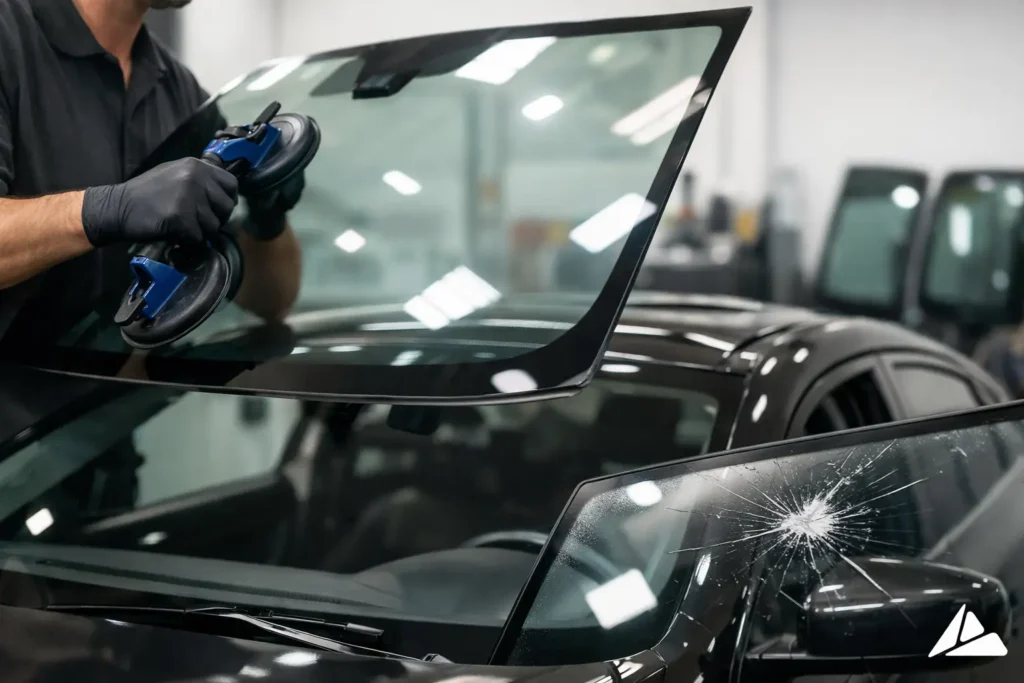
A cracked windshield rarely shows up at a convenient time. It happens on the commute, in the driveway before school drop-off, or after one hard hit from road debris on Deerfoot or Highway 2. When that crack starts spreading, most drivers are not asking for a lesson in auto glass. They want the best windshield replacement options, a fair price, and a job done properly without losing half the day.
That is the real decision. Not just where to get glass installed, but which replacement option makes sense for your vehicle, your budget, and your schedule. Some drivers need same-day mobile service. Others want to know whether OEM glass is worth the extra cost. And if your vehicle has cameras or driver-assist features, the choice matters even more because the wrong installation can affect both visibility and safety systems.
What counts as the best windshield replacement options?
The best option is not always the cheapest one, and it is not always the most expensive either. A proper windshield replacement comes down to four things: the right glass, correct installation, safe adhesive cure time, and a technician who knows how your vehicle is built.
That means the “best” choice depends on what you drive and how you use it. A work truck that sees gravel roads every week may need a practical, durable aftermarket solution installed quickly so it can get back on the road. A newer SUV with lane assist, rain sensors, and forward-facing cameras may be better suited to OEM or high-quality equivalent glass, along with proper recalibration if required.
If a company only talks about price, that is a red flag. Windshield replacement is a safety service first. Your windshield supports roof strength, helps airbags deploy correctly, and protects your line of sight. If the job is rushed or low-grade materials are used, the problems often show up later as leaks, wind noise, poor sensor function, or premature adhesive failure.
OEM vs aftermarket glass
One of the biggest choices in the best windshield replacement options is whether to go with OEM or aftermarket glass.
OEM glass
OEM stands for Original Equipment Manufacturer. This glass is made to the same standard as the windshield that came with the vehicle, and in some cases by the same manufacturer. Fit, thickness, tint, and features are usually very close to original.
For drivers with newer vehicles, advanced driver assistance systems, or a strong preference for factory-matched parts, OEM is often the safest choice. The trade-off is cost. OEM glass is typically more expensive, and availability can slow the job down if the part needs to be ordered.
Aftermarket glass
Aftermarket glass is made by a company other than the original manufacturer but designed to fit your vehicle. Good aftermarket glass can be a solid option and is commonly used across the industry. It is often more affordable and easier to source quickly.
The key word is good. Quality varies. A reputable auto glass company will use aftermarket products that meet safety standards and fit properly, not the cheapest glass they can get. For many daily drivers, quality aftermarket glass offers the best balance of safety, cost, and turnaround time.
Which one is right for you?
If your vehicle is newer, highly equipped, leased, or still under certain warranty conditions, OEM may make more sense. If your priority is getting safely back on the road fast with a dependable installation at a better price, a high-quality aftermarket windshield may be the better value.
Mobile service vs in-shop replacement
For many drivers, convenience is part of the decision. That is why mobile replacement belongs on any real discussion of the best windshield replacement options.
Mobile service means the technician comes to your home, workplace, or another agreed location and completes the replacement there. For busy families, tradespeople, fleet drivers, and commuters, that can be the difference between getting the issue fixed this week or putting it off until the crack gets worse.
A good mobile installation should not feel like a shortcut. The same standards still apply: proper removal, pinchweld inspection, primer where needed, quality urethane, and safe drive-away timing. If the weather is poor or conditions are not suitable, a professional should say so and recommend the right next step instead of forcing the job.
In-shop replacement can still be the better choice in some cases. If your vehicle needs calibration equipment on site, if the damage is more extensive, or if temperatures and moisture make outdoor installation less reliable, a controlled shop environment may be the smarter call.
The right company will tell you which approach suits your situation instead of pushing one option every time.
Why installation quality matters more than most drivers realize
Drivers often compare glass types and pricing, but the installation itself is where the long-term value sits.
A windshield is bonded into the vehicle structure. That bond has to be correct. If old adhesive is cut poorly, the frame is damaged, or the urethane bead is applied inconsistently, the windshield may not seal properly. You may not notice it right away, but over time it can lead to water leaks, rust, wind noise, or reduced structural performance in a collision.
That is why certified technicians, insured service, and warranty-backed work matter. They are not just marketing points. They show that the installer understands the safety side of the job and is prepared to stand behind it.
For Alberta drivers, this matters even more. Temperature swings, winter conditions, and rough roads can expose weak installation work quickly. A proper job should hold up through the realities of local driving, not just look fine when the installer leaves.
Best windshield replacement options for vehicles with ADAS
If your vehicle has features like lane departure warning, adaptive cruise control, automatic emergency braking, or a forward camera mounted near the mirror, windshield replacement gets more specific.
These systems rely on cameras and sensors that look through the glass. A replacement windshield has to match the vehicle’s requirements, and recalibration may be needed after installation. If that step is skipped when it is required, the system may not perform the way the manufacturer intended.
This is one of the clearest examples of why the cheapest quote is not always the best quote. For ADAS-equipped vehicles, ask whether the glass is compatible, whether recalibration is required, and how that process is handled. If the answer is vague, keep asking.
Cost, insurance, and what you are really paying for
Everyone wants competitive pricing, and that is reasonable. But windshield replacement quotes can vary for good reasons.
Price depends on vehicle make and model, glass type, built-in features, trim options, mouldings, labour complexity, and whether calibration is needed. Mobile service may also affect timing and setup, though it should still be priced transparently.
A lower quote may mean lower-grade glass, limited warranty coverage, or shortcuts on materials. A higher quote may reflect OEM glass, better adhesives, calibration support, or a stronger workmanship guarantee. What matters is understanding what is included.
If you are going through insurance, ask what your policy covers and whether you can choose your installer. Many drivers assume they have fewer choices than they actually do. A trustworthy company will explain the process clearly and tell you where the costs sit before the work starts.
How to choose from the best windshield replacement options
Start with the basics. Ask what type of glass is being installed, whether the technicians are certified, what warranty is included, and how long the safe drive-away time will be. If your vehicle has cameras or sensors, ask specifically about calibration requirements.
Then look at the practical side. Can the company come to you if needed? Are they responsive when you call or message? Do they explain the job in plain language, or do they dodge simple questions? The way a company handles booking usually tells you a lot about how they handle the work itself.
It also helps to choose a local business that understands the pace and conditions drivers deal with here. JDB Autoglass, for example, has built its reputation around mobile convenience, certified workmanship, and straightforward service for drivers who do not have time to waste.
When replacement is the better call than repair
Some chips can be repaired. Some cannot. If the damage is in the driver’s direct line of sight, near the edge of the windshield, spreading into a long crack, or severe enough to affect structural integrity, replacement is often the safer option.
Waiting usually makes the decision easier in the wrong way. What starts as a repairable chip can quickly become a full replacement after one cold night or one rough stretch of road. If you are unsure, have it assessed early. A good technician will tell you honestly whether repair is still on the table.
The best choice is usually the one that restores safety properly without adding more hassle than necessary. That means quality glass, proper installation, clear communication, and service that works around your day instead of taking it over. If your windshield is already cracked, the smartest move is not to wait for a better time. It is to book the right replacement before the damage decides for you.