
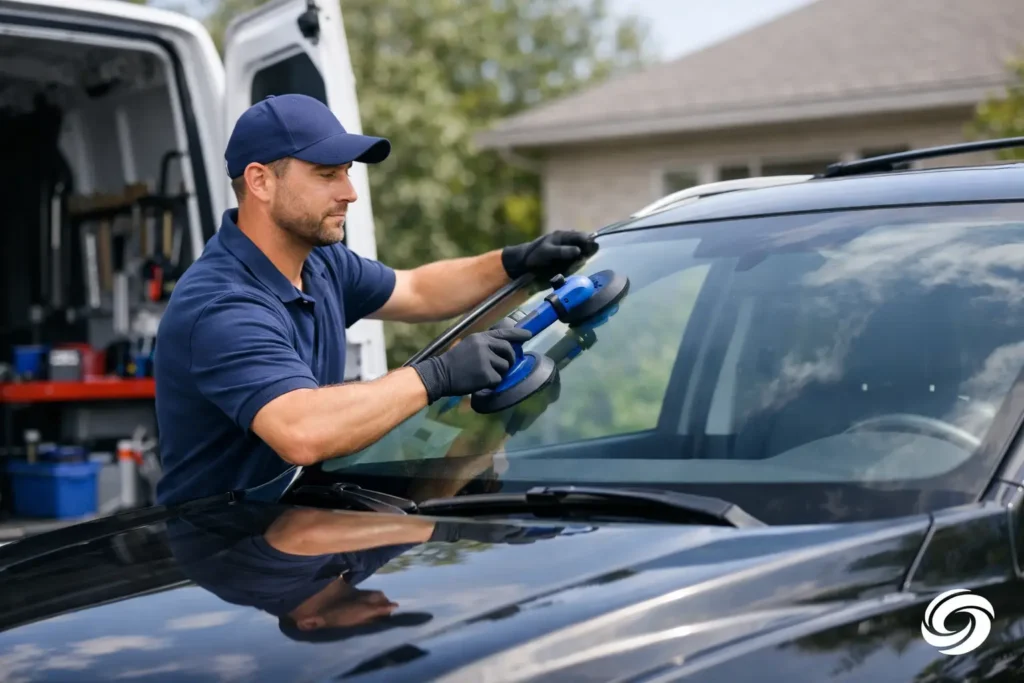
A cracked windshield does not always mean you need to rearrange your entire day around a shop visit. This guide to mobile glass appointments explains how on-site auto glass service works, what your technician needs from you, and how to make sure the job is completed safely and properly at your home, workplace, or another suitable location.
For drivers around Airdrie, Calgary, Cochrane, Crossfield, and nearby communities, mobile service can save hours of downtime. The key is choosing the right service for the damage, providing clear vehicle details when booking, and giving the technician a safe place to work.
What a Mobile Glass Appointment Can Handle
A mobile auto glass appointment is designed to bring professional repair or replacement service to your location. For many customers, that means dealing with a rock chip during the workday, replacing a broken side window in the driveway, or having a windshield installed without arranging a ride to and from a shop.
Mobile technicians commonly handle windshield chip repairs, windshield replacements, side and rear window replacement, and vehicle window tinting. What can be completed on-site depends on the vehicle, the type of damage, weather conditions, and the equipment required for that particular job.
A rock chip repair is often the quickest appointment. If the damage is small, clean, and has not spread into a long crack, resin can be injected into the damaged area to help restore strength and improve visibility. It will not always disappear completely, but a proper repair can prevent the chip from becoming a larger problem.
A replacement appointment takes more planning. The technician needs the correct glass for your vehicle, along with mouldings, clips, adhesives, sensors, or cameras where required. This is why accurate booking information matters. A vehicle’s year, make, model, trim, and VIN can help confirm the right windshield before anyone arrives.
Repair or Replacement: The Decision Comes First
The most convenient appointment is not always the right repair. Safety has to come first.
A chip may be repairable when it is small, outside the driver’s direct line of sight, and free from dirt or moisture. A crack that is spreading, damage near the edge of the windshield, or damage that affects the driver’s view often calls for replacement instead. Windshields are part of a vehicle’s safety system. They help support the roof in a rollover and provide a stable surface for airbag deployment, so this is not a job to delay when the glass is seriously compromised.
There are also cases where a replacement needs extra steps after installation. Many newer vehicles have advanced driver-assistance systems, including forward-facing cameras used for lane departure warnings, collision alerts, and adaptive cruise features. Depending on the vehicle, the camera may need calibration after the windshield is replaced. Some calibrations can be arranged as part of the service, while others require specific conditions or equipment. Ask about this before booking so there are no surprises.
If your vehicle has a broken side or rear window, protect the interior from rain, loose glass, and theft while you wait. Avoid slamming doors, and do not try to force glass out of tight areas around the door panel. A technician can safely remove the remaining pieces and inspect the window regulator or surrounding trim before installing replacement glass.
How to Book a Mobile Glass Appointment Properly
A good mobile appointment starts before the technician is on the road. When you call or request a quote, describe the problem as clearly as possible. Photos are especially helpful for rock chips, cracks, broken side windows, and tint concerns.
Be ready to provide the vehicle year, make, model, and trim. If possible, share the VIN. Let the service team know whether your windshield has a rain sensor, heads-up display, heated wiper area, camera system, or other built-in features. These details affect glass selection and pricing.
You should also explain where the vehicle will be parked and whether it can be moved if conditions change. A workplace parking lot may work well, but a tight underground parkade may not provide enough clearance or lighting. A driveway is often ideal, provided there is room for the technician to work around the vehicle.
Pricing should be discussed before the appointment is confirmed. The final cost can depend on the glass type, vehicle options, needed mouldings, calibration requirements, and whether the damage involves more than one window. If you are using insurance coverage, ask what information is needed and whether you will have a deductible. Clear answers up front make for a smoother appointment.
Preparing the Vehicle and Work Area
Mobile service is convenient, but the work area still needs to meet professional standards. A windshield replacement requires clean surfaces, correct adhesive application, and enough time for the urethane to cure. Poor weather, blowing dust, heavy rain, or extreme cold can affect the job and may require a different plan.
Before your appointment, make sure the vehicle is accessible and remove personal items from the dashboard, front seats, and cargo area near the affected glass. If a side window is broken, clear valuables from the vehicle and avoid covering the opening with tape directly against painted surfaces.
For the best result, aim to provide:
- A reasonably level parking space with room around the vehicle
- Shelter from heavy rain, snow, high wind, or blowing debris when possible
- Access to the vehicle, keys, and any necessary parking permissions
- A way to reach you if the technician needs approval or has a question
You do not need to stand beside the vehicle for the full appointment. Many customers continue working from home or return to their office. You do need to be reachable, especially when the technician arrives, needs to confirm the glass option, or is ready to review the completed work.
What Happens During the Appointment
On arrival, the technician should inspect the damage and confirm the service before starting. This is the time to point out any concerns, such as water leaks, unusual wind noise, a previous repair, or a warning light that appeared after a chip or crack developed.
For a chip repair, the technician cleans and prepares the damaged area, injects repair resin, and cures it using the appropriate process. The goal is to stabilize the chip and reduce its appearance. Results vary based on the age of the damage, contamination, and the chip’s location, so no honest technician should promise that every repair will become invisible.
For a windshield replacement, the damaged glass is removed carefully, the frame is prepared, and the new windshield is installed using approved materials and procedures. The technician will also reinstall or inspect relevant mouldings, sensors, and trim. Afterward, you will be told when it is safe to drive. That safe drive-away time matters because adhesive needs time to cure properly.
For tinting, the vehicle windows are cleaned, film is cut and applied, and the edges are checked for proper fit. Small moisture pockets may be visible while the film cures. This is normal in many installations, particularly during Alberta’s cooler months. Follow the care instructions and avoid rolling down treated windows until the recommended curing period has passed.
Questions Worth Asking Before the Technician Leaves
A professional appointment should end with clear instructions, not guesswork. Ask how long to wait before driving after a windshield replacement and whether you need to avoid car washes, rough roads, or opening and closing doors aggressively for a period of time.
If you had a chip repaired, ask what signs would indicate that the damage is spreading and needs replacement later. If you had a replacement windshield installed, confirm whether camera calibration was completed or still needs to be arranged. For tint work, confirm the curing period and warranty details.
It is also reasonable to ask about the workmanship warranty and what to do if you notice wind noise, water intrusion, trim movement, or another concern after the service. JDB Autoglass stands behind warranty-backed work because mobile convenience should never mean cutting corners on fit, safety, or follow-up.
When a Shop Appointment May Be Better
Mobile service is often the practical choice, but not every situation suits an on-site installation. Severe weather, limited parking space, a heavily damaged vehicle, complex calibration needs, or a job involving extensive body or frame damage may be better handled in a controlled shop environment.
That is not a failure of mobile service. It is the right call when it protects the quality of the work. A dependable glass company will explain the reason clearly and help you choose the safest option instead of trying to force a job into unsuitable conditions.
A damaged windshield or broken vehicle window already creates enough disruption. Give accurate details when you book, set aside a safe work area, and let the technician guide the repair or replacement decision. With the right preparation, mobile glass service can get you back on the road with less waiting and more confidence.