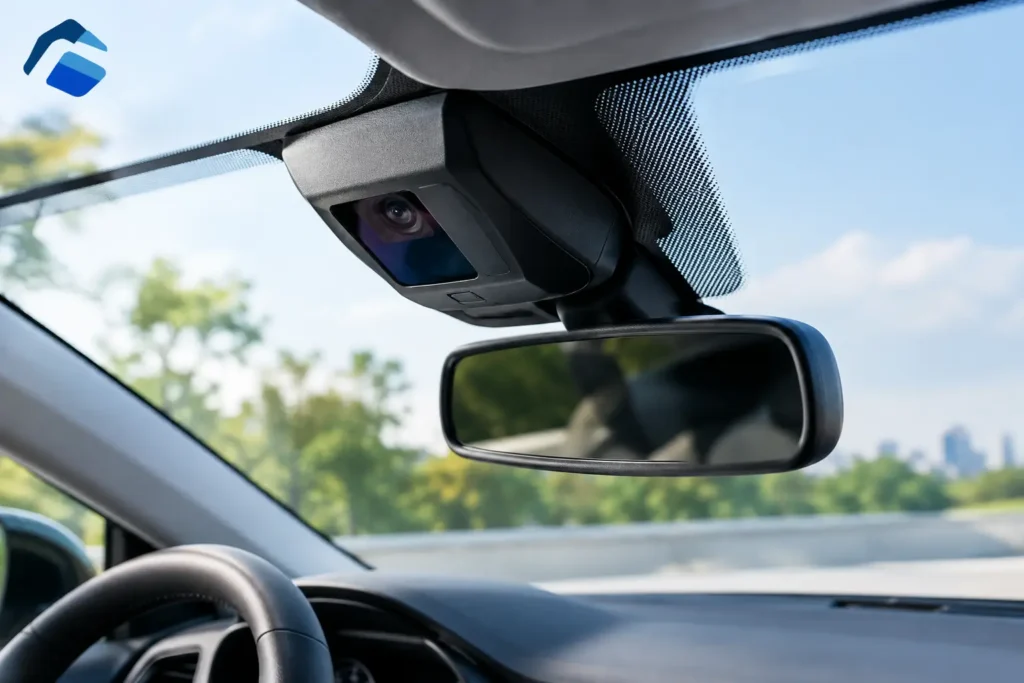
A cracked windshield used to be a straightforward problem: replace the glass, check the seal, and get back on the road. Windshield sensor trends have changed that job. Many newer vehicles use the windshield as a mounting point and viewing surface for cameras and sensors that support safety features such as lane departure warnings, automatic emergency braking, adaptive cruise control, rain-sensing wipers, and automatic high beams.
For drivers, the practical takeaway is simple. When your windshield needs replacement, the glass itself is only part of the repair. Correct parts, careful installation, and calibration can all matter to how your vehicle performs after the work is done.
Windshield Sensor Trends Are Changing Replacement Work
Advanced driver-assistance systems, often called ADAS, are becoming common across more makes and models. They are no longer limited to luxury vehicles. A family SUV, work truck, compact commuter, or fleet vehicle may have a forward-facing camera mounted behind the rear-view mirror.
That camera looks through a specific area of the windshield. It relies on a clear, correctly positioned view of the road to identify lane markings, vehicles, pedestrians, and traffic signs. If the camera is misaligned after a windshield replacement, the system may not react as intended. It could provide warnings too early, too late, or not at all.
This is why a replacement is not always a simple glass swap. The technician must identify the vehicle’s features before ordering glass and confirm whether calibration is required once the new windshield is installed.
More features are built into the glass
Windshields now come with more than a piece of laminated safety glass. Depending on the vehicle, they may include acoustic layers to reduce road noise, solar coatings to manage heat, heating elements, heads-up display compatibility, rain sensor mounts, camera brackets, antenna connections, and special shaded areas.
A windshield can look nearly identical to another version but still be wrong for a particular vehicle. For example, a model with a forward camera or heads-up display may require a windshield designed specifically for that equipment. Choosing glass based on appearance alone can create problems later.
This does not mean every vehicle requires original equipment glass. Quality aftermarket options can be appropriate for many vehicles. The right choice depends on the vehicle, its sensor package, available glass options, insurance requirements, and the condition of related components. What matters most is that the glass matches the vehicle’s specifications and is installed properly.
Why Calibration Matters After Windshield Replacement
Calibration is the process of helping the vehicle’s camera or sensor system recognize its correct position after a windshield replacement or certain collision repairs. On some vehicles, this is done in a controlled setting using targets and precise measurements. On others, the vehicle completes a guided calibration while being driven under specific road conditions. Some require both methods.
The need for calibration varies by make, model, and year. A qualified technician should not guess. They should check the manufacturer’s requirements and inspect the vehicle for ADAS equipment before work begins.
Calibration is not an optional add-on when the manufacturer calls for it. It is part of returning the vehicle to proper operating condition. A dashboard warning light may make the issue obvious, but not every camera alignment problem triggers a clear warning. That is why documented procedures matter.
For busy drivers, this is also a scheduling issue. A mobile windshield replacement can save a trip to a shop, but the full job must still account for calibration requirements. In some cases, calibration can be completed as part of the service process. In others, the vehicle may need to be brought to an appropriate facility after installation. A reputable provider explains that upfront rather than promising a one-size-fits-all solution.
Rock Chips Matter More on Sensor-Equipped Vehicles
A small rock chip may seem cosmetic, especially when it is outside the driver’s direct line of sight. In Alberta, however, temperature swings, road grit, and highway driving can turn a minor chip into a spreading crack quickly.
On a sensor-equipped windshield, location matters even more. Damage near a camera viewing area, sensor mount, or heating element can affect visibility and may limit whether a repair is suitable. A chip that can be safely repaired in one area of the windshield may call for replacement in another.
Prompt rock chip repair is still the best first move when the damage is small and repairable. It can stop or slow cracking, preserve the original factory windshield, and cost less than replacement. But repair is not always the right answer. If the crack is long, the damage reaches the edge, the glass has multiple impact points, or the camera area is affected, replacement may be the safer option.
What Drivers Should Ask Before Booking
You do not need to become an ADAS expert to arrange windshield service. A few clear questions can help make sure the quote and repair plan fit your vehicle.
Ask whether your vehicle has a forward-facing camera, rain sensor, heads-up display, heated windshield area, or other windshield-mounted equipment. If you are unsure, a technician can often identify these features from the vehicle information and a quick inspection.
Ask whether the quoted windshield is compatible with your vehicle’s options. Also ask if calibration is required, how it will be handled, and whether there are any conditions that could affect timing. Clear answers help prevent a surprise after the new glass is already installed.
It is also reasonable to ask about workmanship warranty, glass quality, adhesive curing time, and whether it is safe to drive immediately after the installation. Adhesive needs time to cure properly, and the safe drive-away time can vary with the materials used and the weather conditions.
Cold Weather Makes Good Installation Even More Important
Calgary-area drivers know that a mild afternoon can turn into a freezing evening quickly. Cold temperatures do not make windshield replacement impossible, but they do make proper materials, preparation, and curing procedures especially important.
The windshield is a structural part of many vehicles. Proper bonding helps support the roof in a rollover and allows the passenger-side airbag to work as designed. That is why installation quality should never be treated as a race to the lowest price.
A professional mobile service should assess whether the work location is suitable. A clean, protected area is better than an exposed spot with blowing snow, heavy moisture, or contamination around the opening. Convenience matters, but safe conditions matter more.
The Best Trend Is Better Decision-Making
The most useful development in auto glass is not simply more sensors. It is greater awareness that windshield work affects more than visibility. Vehicle owners are asking better questions about calibration, compatible glass, and warranty coverage before authorizing a replacement.
That awareness helps drivers avoid two common mistakes: delaying a chip until it spreads, and assuming every windshield is interchangeable. Both can lead to more expense and more time off the road.
For a windshield replacement in Airdrie, Calgary, or surrounding communities, choose a provider that checks the vehicle’s equipment, explains the work clearly, and treats safety systems with the care they require. At JDB Autoglass, the goal is straightforward: bring dependable service to your location and make sure the job is handled properly from the first inspection to the final check.