
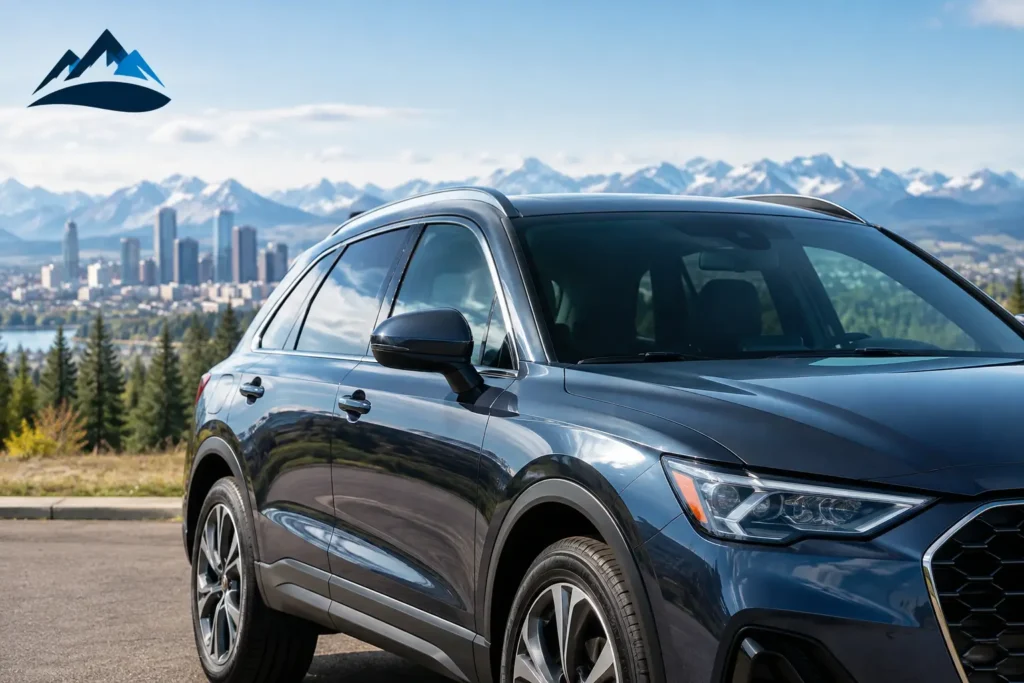
A vehicle parked outside in Calgary can turn uncomfortably hot fast, even when the temperature outside does not feel extreme. That is why a proper Mirtek ceramic film review should focus on more than how dark the windows look. For most drivers, the real questions are whether the film reduces heat, keeps visibility clear, protects the interior, and holds up through Alberta weather.
Mirtek Ceramic Film is positioned as a premium window tint option for drivers who want better comfort and protection without the drawbacks often associated with basic dyed tint. It can be a strong choice for commuters, families, tradespeople, and anyone who spends long hours behind the wheel. The final result, however, depends just as much on the film shade, glass condition, and installation quality as it does on the material itself.
What Mirtek Ceramic Film Is Designed to Do
Ceramic window film uses non-metallic ceramic particles to manage solar heat and ultraviolet exposure. Unlike lower-cost dyed films that mainly create a darker appearance, ceramic film is intended to reject a meaningful amount of the sun’s heat while maintaining a clean, natural view through the glass.
That distinction matters during a bright Alberta summer. Dark tint can reduce glare, but darkness alone does not tell you how effectively a film manages heat. A lighter ceramic shade may feel noticeably more comfortable than a much darker entry-level film because it is built to address infrared heat rather than simply absorb light.
For drivers, the practical benefits are straightforward: a cooler cabin after parking, less harsh glare during morning and evening commutes, and less direct sun exposure on the dashboard, seats, and passengers. Ceramic films are also commonly chosen because their non-metal construction is less likely to interfere with signals than metallic tint products. Results can vary by vehicle, glass angle, film shade, and how much time the vehicle spends in direct sun.
Mirtek Ceramic Film Review: Where It Stands Out
The biggest reason to consider Mirtek Ceramic Film is comfort. On a vehicle with large side windows or a dark interior, untreated glass can make air conditioning work much harder. Quality ceramic tint helps reduce that heat load, so the cabin can cool down more quickly after the vehicle has been sitting outside.
Clarity is another major factor. Good ceramic film should look refined from the inside, not hazy, overly reflective, or purple-toned. This is especially valuable for drivers who travel after dark, deal with changing prairie light, or use their vehicle for work. A tint that looks good at noon but makes nighttime visibility uncomfortable is not a practical upgrade.
UV protection also carries long-term value. Sun exposure can fade upholstery, dry out leather, and put extra strain on interior plastics over time. Window film is not a substitute for windshield sunshades or regular interior care, but it is a useful layer of protection for a vehicle you plan to keep.
Finally, ceramic film offers a more premium finish than many budget tint options. When installed properly, the edges are clean, the shade is even, and the film complements the vehicle rather than looking like a rushed add-on. That appearance can matter for a newer vehicle, a work truck, or any car where you take pride in the condition.
The Trade-Offs to Consider Before Tinting
No window film is the right fit for every vehicle or driver. Ceramic film generally costs more than dyed or basic carbon options because of the material and performance it delivers. If your only goal is darker windows at the lowest possible price, it may be more film than you need.
Shade selection also deserves careful thought. A very dark rear tint can improve privacy and reduce glare, but it may make backing up or checking mirrors more difficult at night. Drivers with poor factory backup cameras, frequent rural travel, or early morning work schedules may prefer a moderate shade that balances privacy with visibility.
It is also worth separating heat rejection from visual darkness. The best shade is not automatically the darkest one. A professional installer can help you choose a film that suits the vehicle, your daily driving conditions, and applicable tint rules. Regulations can affect what is permitted on front side windows and windshields, so this should be discussed before installation rather than after the film is applied.
Ceramic tint is not a cure for every heat issue, either. A black vehicle with a panoramic roof will still get hot in direct sun. It simply gives you a better starting point by reducing some of the solar energy entering through the glass.
Installation Matters as Much as the Film
Even premium film can disappoint when preparation or installation is poor. Dust trapped under the tint, uneven edges, contamination, missed water pockets, and damaged defroster lines can turn a quality product into a frustrating experience. This is why film choice should never be the only question when comparing tint quotes.
A careful installation begins with clean glass and appropriate prep. The installer should inspect the windows, protect nearby panels, cut and shape the film accurately, and explain what the curing period will look like. Small water pockets or a slightly hazy appearance can be normal while newly installed film dries, but large bubbles, lifting edges, or debris under the film are not signs to ignore.
Ask about warranty coverage before booking. A warranty-backed tint job provides reassurance if there is an issue with peeling, bubbling, adhesion, or abnormal colour change. It also gives you a clear point of contact rather than leaving you to chase down an installer after the fact.
For mobile service, the work environment matters too. Tint installation needs a clean, controlled area with enough room to work around the vehicle. A professional mobile technician will assess whether your garage, shop bay, or covered location is suitable instead of rushing a job in windy, dusty, or wet conditions.
Who Will Get the Most Value From It?
Mirtek Ceramic Film makes the most sense for drivers who value day-to-day comfort, clearer visibility, and long-term interior protection. It is particularly appealing for people with longer commutes between Airdrie, Calgary, and surrounding communities, where a vehicle can spend hours exposed in a driveway, work lot, or outdoor parking area.
It is also a practical fit for parents with children in the back seat, rideshare drivers, field workers, and fleet owners who want a more comfortable cabin without making the vehicle look excessively dark. For these drivers, heat reduction and glare control are often more useful than the cosmetic effect alone.
A basic film may still be appropriate for an older vehicle, a short-term lease, or a driver working within a tight budget. Honest advice should account for how you use the vehicle, not simply push the most expensive option. The right choice is the film that delivers the performance you will actually notice and appreciate.
Caring for Newly Installed Ceramic Tint
After installation, follow the technician’s curing instructions. Avoid rolling down the windows until advised, as the film needs time to bond fully to the glass. Depending on temperature and humidity, curing can take longer in cooler conditions.
For cleaning, use a soft microfiber cloth and an ammonia-free glass cleaner. Avoid abrasive pads, sharp tools, and aggressive scrubbing around the edges. Treat the inside of tinted windows with the same care you would give a touchscreen or a glossy interior trim piece.
If you notice a concern after the curing period, take clear photos and contact the installer promptly. Addressing a small issue early is always easier than waiting until an edge has lifted further.
A quality tint job should make every drive more comfortable without demanding attention. If you are considering Mirtek Ceramic Film, choose a shade based on how you drive, confirm the legal and practical limits for your vehicle, and have it installed by a team prepared to stand behind the work. JDB Autoglass can help local drivers make that decision without the usual shop-day disruption, bringing professional tint service to a suitable home or work location.