
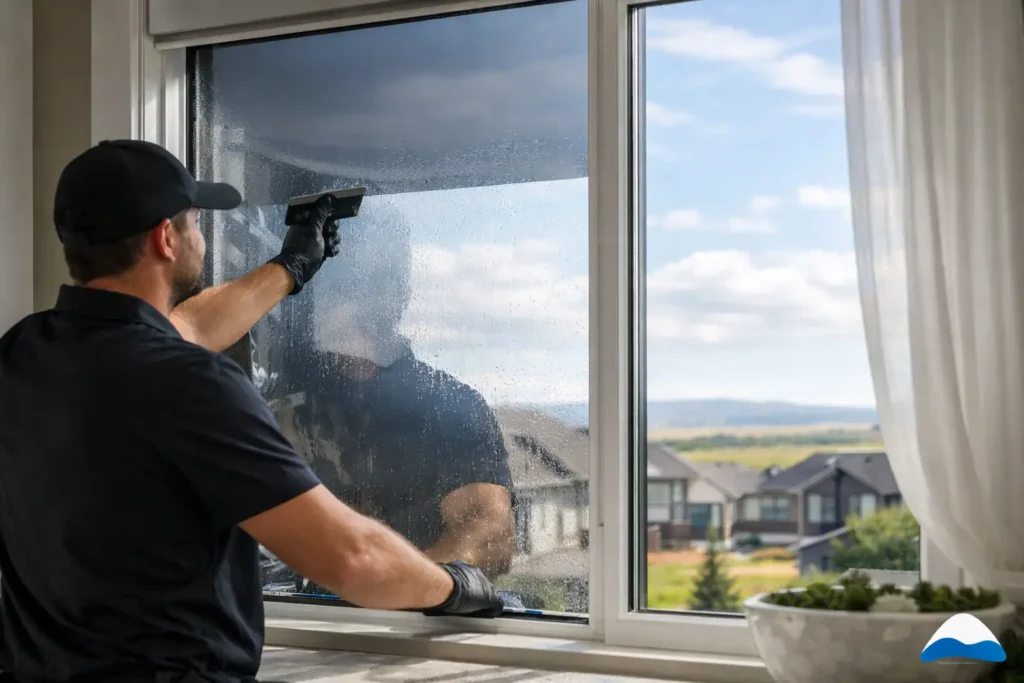
Some rooms tell you there is a window problem long before you look at the glass. It might be the west-facing living room that turns harsh and hot by mid-afternoon, or the front office where glare hits the screen every sunny day. For many homeowners, residential window tinting Airdrie is less about appearance and more about making the house easier to live in.
That matters in Alberta homes, where sun, seasonal temperature swings, and long daylight hours can make certain spaces uncomfortable and expensive to manage. Good window film can cut glare, help control heat, add privacy, and reduce UV exposure without changing how you use the room. The key is choosing the right film and having it installed properly the first time.
Why homeowners look at residential window tinting in Airdrie
Most people start for one reason, then realize there are a few problems being solved at once. Heat is a common one. If you have a room that feels noticeably warmer than the rest of the house, direct sun through untreated glass is often part of the issue.
Glare is another big reason. It affects more than comfort. It can make a TV hard to watch, a laptop difficult to use, and a home office frustrating during parts of the day when the light hits at the wrong angle. Closing blinds helps, but then you lose the natural light you wanted from those windows in the first place.
Privacy also comes up often, especially for front-facing rooms, basement windows, and homes built close together. Depending on the film you choose, tint can make a room feel more private during daylight hours without making it feel shut in.
Then there is UV protection. Sunlight can fade flooring, furniture, area rugs, and wood finishes over time. Window film can reduce that wear and help preserve the materials you have already paid for.
What residential window tinting actually does
A lot of homeowners picture dark glass when they hear the word tint. Residential film is more flexible than that. Some films are barely noticeable and focus on heat and UV rejection. Others are designed more for daytime privacy or a stronger cut in glare.
The right film changes how solar energy interacts with the glass. It can reject a portion of heat, filter UV rays, and reduce visible light transmission to a level that still feels natural indoors. The result is usually a room that feels more balanced and easier to enjoy throughout the day.
It is worth being realistic, though. Window tinting is not the same as replacing old windows, and it is not a cure-all for every insulation issue. If a room is uncomfortable because of poor sealing, lack of attic insulation, or HVAC imbalance, film may help but it will not solve everything on its own. The best results come when the main issue really is solar gain through the glass.
Choosing the right film for your home
This is where the decision gets more specific. Not every room needs the same solution, and not every homeowner wants the same look.
Solar control film
This is the option most homeowners ask about first. Solar control film is designed to reduce heat and glare while still letting in useful natural light. It works well in living rooms, bonus rooms, offices, and large south- or west-facing windows where the sun hits hardest.
If your main complaint is that a room gets too hot in the afternoon, this is usually the first place to look.
Privacy film
Privacy-focused films are useful for street-facing windows, entry areas, and homes where neighbours are close by. Some offer a reflective exterior appearance during the day, while others provide a more subtle finish.
The trade-off is that privacy can depend on lighting conditions. During the day, many films limit views from outside effectively. At night, if the room is brightly lit and it is dark outdoors, that same privacy effect may be reduced. That is something a good installer should explain clearly before the job starts.
Decorative or frosted film
For bathrooms, sidelights, or specific interior spaces, frosted or decorative film can add privacy without making the glass look heavily tinted. It is less about heat control and more about visibility and style.
Premium ceramic or carbon film
Higher-end film options can offer better heat rejection, colour stability, and long-term performance. Premium materials matter because lower-grade films are more likely to fade, bubble, or discolour over time. If you plan to stay in your home and want the film to keep performing well year after year, this is usually where spending a little more makes sense.
What to expect from the installation process
Residential tinting should not feel complicated, but it should feel professional. The glass needs to be assessed properly, measured accurately, and cleaned thoroughly before any film goes on. Dust, debris, and rushed prep work are where a lot of poor installations start.
Once the film is applied, there is usually a curing period. During that time, some small haziness or water pockets can be normal depending on the product and conditions. That does not automatically mean there is a problem. What matters is that the installer sets expectations clearly and gives you proper aftercare guidance.
A clean install should sit flat, look even, and suit the room. It should not look purple, patchy, or overly dark unless that is the exact finish you chose.
For homeowners with busy schedules, mobile service can make a real difference. Instead of arranging a trip to a shop or working around a limited appointment window, the job can be completed at home with less disruption to your day. That convenience is one reason many local homeowners look for a company that handles both quality installation and scheduling in a straightforward way.
How much difference does it really make?
In the right room, quite a bit. Homeowners usually notice glare reduction first because it is immediate. Heat control can also be noticeable, especially in sun-heavy spaces where certain seats or sections of the room were uncomfortable before.
Energy savings are more variable. Yes, window film can help reduce cooling demands, but the exact difference depends on the home, the glass, the orientation of the windows, and how often the space is used. It is better to think of window tinting as a comfort upgrade with efficiency benefits rather than a promise of dramatic utility bill cuts in every house.
The long-term value often shows up in smaller daily improvements. A room becomes usable in the afternoon. Furniture fades more slowly. Blinds stay open more often. The temperature feels less uneven from one side of the home to the other.
Common concerns homeowners have
One concern is whether tint will make the house too dark. In many cases, the answer is no. Modern residential films come in a range of shades and performance levels. You can often get meaningful heat and UV reduction without making the room feel closed in.
Another concern is whether film can damage windows. This depends on the type of glass, the condition of the seals, and the film being used. Not every film is right for every window. That is why proper product selection matters. A no-nonsense installer will tell you if a certain pane or setup needs special consideration instead of just trying to sell the darkest option available.
Homeowners also ask how long it lasts. Quality film installed correctly should provide years of performance. Warranty-backed work matters here. It is one of the clearest signs that the installer stands behind the materials and workmanship.
When residential window tinting makes the most sense
If one or two rooms in your home are noticeably harder to live in because of sun exposure, tinting often makes sense. It is also a strong option when you want more privacy without covering the windows all day, or when you are trying to protect interior finishes from ongoing UV damage.
It may be less urgent if your windows are already performing well, your main issue is poor insulation elsewhere, or your concern is nighttime privacy only. In those cases, the right answer may involve a mix of film, window coverings, and broader home efficiency improvements.
For homeowners who want straightforward advice, that is the real value of working with an experienced local service provider. You should be told what film fits the problem, what results are realistic, and what the finished look will be before anything is installed. That practical approach is what homeowners expect from a company like JDB Autoglass.
A good home should not have rooms you avoid because of the sun. If a space is too hot, too bright, or too exposed, the right window film can make it more comfortable without a major renovation. Sometimes the fix is simpler than people think.