
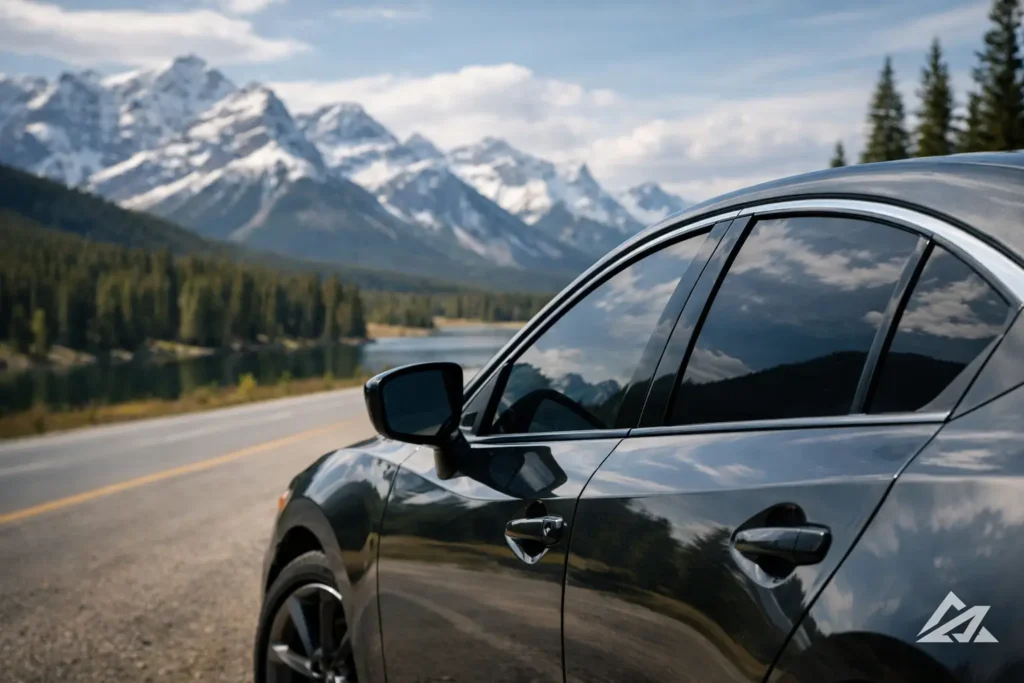
A Calgary-area summer can turn a parked vehicle into a heat trap quickly, while bright winter sun and glare off snow can make an ordinary commute harder on your eyes. The top vehicle tint benefits are not just about giving your vehicle a sharper look. Quality automotive window film can make the cabin more comfortable, help protect the people and materials inside it, and reduce distractions behind the wheel.
For commuters, families, tradespeople, and fleet drivers, tint is a practical upgrade when it is selected and installed properly. The film matters, the installation matters, and so does following Alberta’s vehicle tint rules.
Top Vehicle Tint Benefits That Matter Every Day
A cooler, more comfortable cabin
The benefit most drivers notice first is reduced heat. Solar energy passes through untreated automotive glass and warms the seats, dash, steering wheel, and every surface inside the cabin. Window film helps reject a portion of that solar heat before it builds up.
That can make a real difference when your vehicle has been parked at work, outside a job site, or in the driveway all afternoon. Your air conditioning does not have to work as hard to bring the cabin back to a comfortable temperature, and passengers are not climbing into scorching seats. The exact result depends on the vehicle, glass area, tint shade, and film technology, but premium ceramic films are particularly effective at heat rejection without needing an overly dark appearance.
UV protection for people and interiors
Sunlight does more than make the cabin hot. Ultraviolet exposure can contribute to fading, cracking, and wear on dashboards, leather, upholstery, trim, and other interior materials. It also reaches drivers and passengers through side windows during long commutes and road trips.
A quality window film can block a high percentage of UV rays. That gives your interior another layer of protection and is especially useful for vehicles that spend most of their day outdoors. Parents often appreciate it for rear-seat passengers, while drivers who spend hours on the road appreciate having less direct sun coming through the side glass.
Tint is not a replacement for sunscreen or other sun protection, but it is a sensible way to reduce ongoing exposure inside the vehicle.
Less glare when visibility counts
Glare is a common issue in Alberta. Low morning and afternoon sun can hit at an awkward angle, and winter conditions add reflection from snow, ice, and wet roads. Excess glare can cause eye strain and make it harder to see mirrors, displays, traffic signals, or hazards clearly.
Window tint can soften that harsh light and make the cabin easier on your eyes. The goal is not to make the vehicle dark. The goal is to create more comfortable, usable visibility in changing conditions. A professional installer can help you choose a film that improves glare control while keeping the vehicle appropriate and legal for road use.
More privacy for passengers and belongings
Tinted rear windows give passengers more privacy and make it less obvious what is sitting in the back seat or cargo area. That is useful for families with car seats, contractors carrying tools, and anyone who regularly leaves bags or equipment in their vehicle.
Privacy film should never be treated as theft prevention. Valuables are still safest when removed from the vehicle or locked out of sight. Still, reducing easy visibility into the cabin can be a worthwhile extra layer of discretion, especially in busy parking lots.
Better protection if glass breaks
Window film holds together pieces of glass when a side or rear window breaks. It will not stop every break-in or prevent a collision-related failure, but it can help reduce the scatter of loose shards inside the vehicle. This added film-to-glass bond may also make cleanup more manageable after damage.
That distinction matters. Tint is not security glass, and it does not make a window unbreakable. It is an added protective feature, not a substitute for safe parking, alarm systems, or prompt side-window replacement when damage occurs.
A cleaner, more finished appearance
Looks are still part of the decision. The right tint can give a vehicle a more polished, consistent appearance by reducing the contrast between clear glass and darker interior surfaces. It can suit everything from a family SUV to a work truck, sedan, or fleet vehicle.
The best visual result is usually balanced rather than extreme. A film that complements the vehicle and provides useful heat and UV control will age better than a choice based only on getting the darkest possible shade. Quality materials and careful installation also help avoid common issues such as bubbles, lifting edges, haze, or a purple colour shift over time.
Choosing Tint for Alberta Conditions
Not all automotive films perform the same way. Dyed film may be a lower-cost option, but it can offer less heat control and may fade sooner than higher-grade products. Carbon film provides a dark, clean look with good performance, while ceramic film is often chosen for stronger heat rejection and reduced glare without relying solely on darkness.
For many Alberta drivers, ceramic film makes sense because cabin heat and sunlight are the main concerns. It can reject substantial heat while maintaining a lighter appearance and clearer outward view. That said, the best option depends on your budget, vehicle, driving habits, and which windows can legally be tinted.
A good installer should ask how you use the vehicle. A commuter with a long westbound drive may prioritize glare reduction. A family SUV may need rear-seat comfort and UV protection. A work truck may benefit from privacy around tools and equipment. There is no one tint choice that is right for every vehicle.
Stay Within Alberta Tint Rules
Vehicle tint has to be installed with safety and provincial regulations in mind. Alberta rules restrict aftermarket tint on the windshield and front side windows. Rear side windows and the rear window may allow tint, but visibility requirements and vehicle equipment can affect what is suitable.
Rules can change, and factory glass, medical exemptions, mirror requirements, and vehicle design can all create questions. Before booking, confirm the current requirements for your vehicle and intended use. A professional tint technician should be willing to explain what can be installed and help you avoid spending money on film that may need to be removed later.
Darkness is not the only factor. Visibility at night, during snowfall, and when checking mirrors matters. If you frequently drive rural roads, work early mornings, or reverse in poorly lit areas, a moderate film may be a better fit than the darkest available option.
Professional Installation Protects the Investment
Window tint is only as good as the preparation and installation behind it. The glass needs to be cleaned thoroughly, the film must be cut and formed accurately, and the edges need proper finishing. Small shortcuts can lead to contamination under the film, peeling, trapped moisture, or a finish that looks uneven from outside the vehicle.
Professional installation also means choosing film designed for automotive use and getting clear care instructions. Fresh tint needs time to cure, so temporary water pockets or a slightly hazy look can be normal during that period. Avoid rolling down tinted windows until the installer says it is safe, and clean cured film with a soft cloth and ammonia-free cleaner.
For drivers in Airdrie, Calgary, and surrounding communities, JDB Autoglass can help match premium automotive film to your vehicle, comfort goals, and local requirements. Certified installation and warranty-backed workmanship make the difference between a tint job that simply looks darker and one that performs well for years.
The right tint should make every drive a little easier: less heat on a July afternoon, less glare on a bright winter morning, and more protection for the vehicle you rely on every day.