
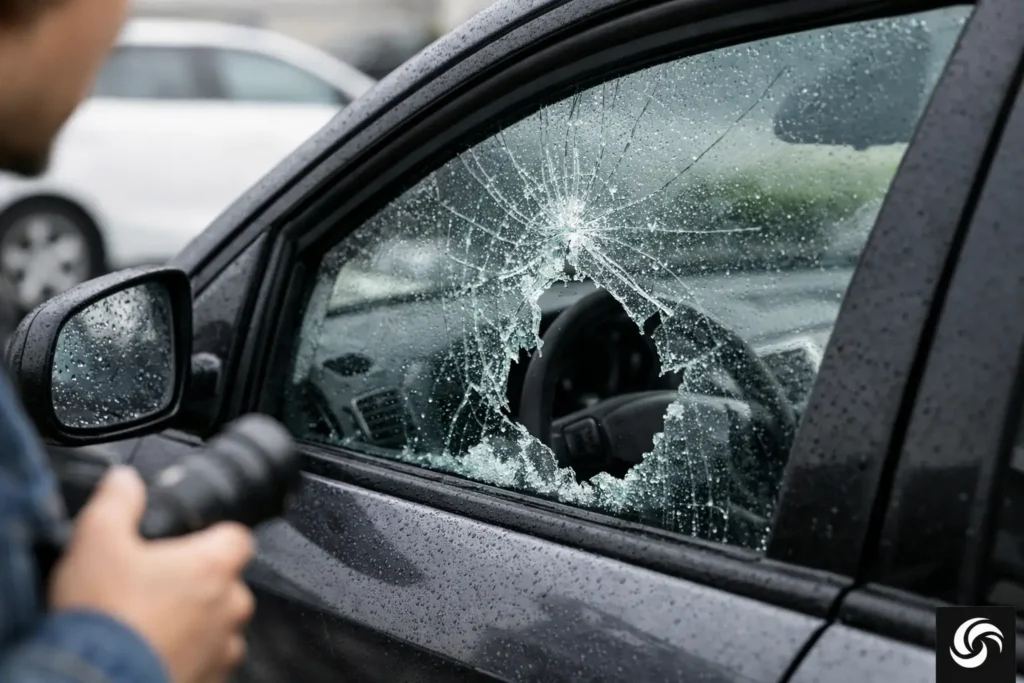
A side window problem can turn a normal workday, school pickup, or drive home into a security and weather issue fast. Knowing when to replace a side window helps you avoid water damage, broken glass in the cabin, theft risk, and a window that fails when you need it most.
Unlike a windshield, most vehicle side windows are made from tempered glass. It is designed to break into small pieces rather than dangerous shards, but that also means a damaged side window often cannot be repaired. If it has shattered, cracked through, or will not stay closed, replacement is usually the right call.
When to Replace a Side Window Immediately
Some auto glass issues can wait for a scheduled appointment. A broken side window is rarely one of them. If the glass has completely shattered, book a replacement as soon as possible. Even after the visible pieces are cleaned up, small fragments can remain in the door panel, seats, floor mats, and weather stripping.
An open or badly damaged window also leaves your vehicle exposed to rain, snow, dust, and theft. In Alberta, a sudden temperature drop or wet weather can make the situation worse quickly. A temporary plastic covering may help for a short period, but it is not a secure or weatherproof fix.
Replacement is also urgent if the window has broken while driving. Loose glass can fall into the door, interfere with the window mechanism, or continue breaking with vibration. Pull over safely, avoid touching sharp edges, and arrange professional service rather than trying to force the window up or down.
1. The Glass Is Shattered or Missing
This is the clearest sign. A side window that has been smashed in a break-in, damaged by road debris, or broken by impact needs replacement. Tempered side glass does not respond to windshield-style chip repair. Once its structural integrity is compromised, replacement is the safe option.
A professional installation includes more than fitting a new pane of glass. The technician should remove loose fragments from the door cavity, inspect the regulator and tracks, and make sure the glass moves and seals properly. Skipping that cleanup can lead to rattling, scratches on the replacement glass, or a window that jams later.
2. A Crack Runs Across the Side Window
A small chip in a side window is less common than a windshield rock chip, but cracks can happen after an impact or door slam. If a crack reaches an edge, travels across the glass, or grows after temperature changes, replacement is generally necessary.
Do not assume a crack is harmless because the glass is still in place. Side glass is under tension. It can fail without much warning, particularly when the vehicle door is closed, the window is operated, or the cabin warms up in direct sun. Replacement before it shatters gives you more control over timing and cleanup.
3. The Window Will Not Close or Stay Closed
Sometimes the glass itself looks fine, but the window drops into the door or stops partway. This may be a regulator, cable, switch, or motor issue rather than a glass replacement issue. Still, the result matters: if your side window cannot close securely, the vehicle is exposed.
A technician needs to inspect both the glass and the mechanism. A window regulator can damage glass when it comes off track, and a damaged window edge can prevent a new regulator from operating correctly. The right repair depends on the source of the problem, not just the symptom.
If the window is stuck down, avoid slamming the door or repeatedly pressing the switch. That can make a loose component worse and may cause the glass to break inside the door.
4. The Window Is Loose, Rattling, or Off Its Track
A side window should sit firmly in its tracks and move smoothly. If it rattles over bumps, tilts as it goes up, catches at one point, or leaves a visible gap at the top, arrange an inspection. The cause may be worn guides, a failing regulator, damaged weather stripping, or glass that is no longer seated properly.
This is one of those situations where replacement is not always automatic. If the glass is undamaged, the issue may be corrected by repairing the track or regulator. However, if the edge is chipped, the glass is scratched deeply, or it has been stressed by a bent mechanism, replacing the window may prevent a sudden break later.
5. Water or Wind Is Getting Into the Cabin
Water on the door panel, damp carpets, excessive road noise, or cold air around a closed window can point to a sealing problem. The issue may be worn weather stripping, a misaligned window, or a door frame that has been affected by an impact.
A seal alone may be replaceable, but damaged side glass can also be part of the problem. A cracked window, uneven edge, or glass that does not sit squarely in its channel cannot create a reliable seal. An inspection can determine whether the practical fix is new weather stripping, mechanism repair, or full glass replacement.
Do not ignore moisture inside the door. It can affect electrical connections for power windows, speakers, and locks, while repeated leaks can lead to odours and interior damage.
6. The Glass Has Deep Scratches or Edge Damage
Light surface marks may be cosmetic. Deep scratches, especially in the driver’s line of sight through a front side window, can create glare at night or in low-angle sun. They can also weaken the glass depending on their depth and location.
Damage around the edge deserves particular attention. Window edges are where the glass sits in channels and takes pressure during normal operation. A chip near the edge may not look dramatic, but it can develop into a crack or cause the glass to fail when the door is shut.
If you are unsure whether a scratch is superficial, have it assessed before trying a DIY polish. Abrasive products can distort the glass or make visibility worse.
7. A Break-In or Collision Has Affected the Door
After a break-in, side window replacement should include a closer look at the door. Broken glass can pack into the regulator, tracks, and drain holes. If those areas are not cleared, the replacement window can scrape, bind, or make noise.
After a collision, even a window that appears intact may no longer fit properly. Door alignment, frame damage, and bent window channels can all affect how the glass operates. Replacing glass without addressing the underlying fit can result in wind noise, leaks, or repeat damage.
What to Do While You Wait for Replacement
Keep the vehicle as dry and secure as possible. Remove obvious loose glass only if it is safe to do so, and wear gloves if you must handle fragments. Do not vacuum deeply into the door panel unless you know how to remove the glass safely, as broken pieces can be lodged around moving components.
Covering the opening temporarily can reduce exposure to weather, but avoid using tape directly on painted surfaces for long periods. If rain or snow is expected, move the vehicle under cover if possible. Keep valuables out of sight and avoid leaving the vehicle unattended in areas where security is a concern.
For many customers, mobile service is the simplest answer. A qualified technician can come to your home, workplace, or another suitable location, provided there is safe access to the vehicle and enough room to complete the installation properly. JDB Autoglass provides mobile side and rear window replacement for drivers who need the job handled without losing a full day at a shop.
Is Side Window Replacement Covered by Insurance?
Coverage depends on your policy and the cause of damage. Comprehensive coverage may help with break-ins, vandalism, falling objects, or certain road-related incidents. Your deductible still applies in many cases, so it is worth comparing the out-of-pocket cost with your deductible before making a claim.
A reputable auto glass provider can explain the information needed for a quote and help you understand the replacement process. The priority is getting the correct glass, ensuring it fits your vehicle properly, and confirming the window operates and seals as it should.
A side window does more than keep out the weather. It protects your belongings, supports visibility, and helps make every drive feel secure. If the glass is broken, cracking, loose, or refusing to close, dealing with it now is usually easier than managing a bigger problem after the next storm or cold snap.