A vehicle parked outside through a Calgary summer can feel punishingly hot within minutes. That heat is uncomfortable, but the sun exposure also fades interiors and puts drivers and passengers in direct contact with ultraviolet light. This UV window film review looks at what quality automotive film actually does, where the benefits are strongest, and what to check before committing to a tint job.
What UV Window Film Is Designed to Do
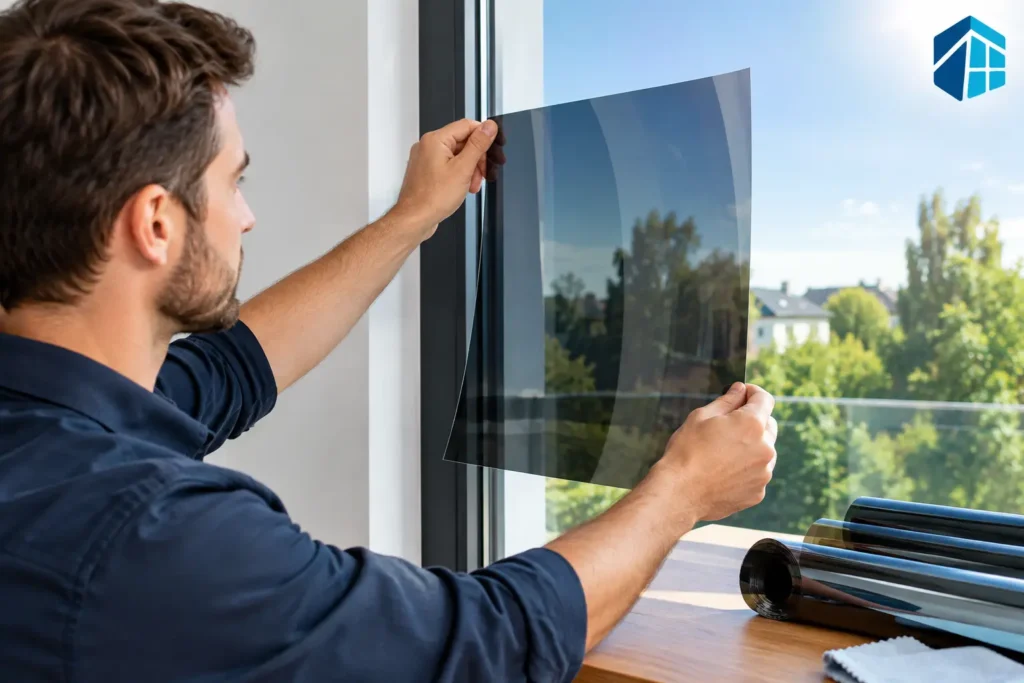
Automotive window film is applied to the inside surface of vehicle glass. Depending on the product, it can reduce glare, reject solar heat, filter ultraviolet rays, add privacy, and give the vehicle a cleaner finished look. The most meaningful benefit for many drivers is that good film can block up to 99% of UV rays, including the UV exposure that contributes to fading, cracking, and premature wear on seats, dashboards, door panels, and trim.
UV protection is not exactly the same as heat reduction. A basic dyed film may darken the glass and cut glare, yet offer limited heat rejection compared with higher-quality carbon or ceramic film. If your main concern is a hot cabin, a film’s solar heat rejection and infrared rejection ratings matter just as much as its UV-blocking claim.
That distinction is worth making because almost every legitimate automotive film offers strong UV filtering. The difference between budget tint and premium tint usually becomes more obvious in comfort, clarity, colour stability, and long-term performance.
UV Window Film Review: The Benefits You Can Expect
A properly selected and professionally installed film delivers practical everyday value. It will not turn a vehicle sitting in full sun into an air-conditioned garage, but it can make the cabin more manageable when you get in and reduce how hard the air conditioning needs to work once you start driving.
Better protection for people and interiors
Windshields are already designed to filter a significant amount of UV radiation, but side and rear glass can allow more exposure depending on the vehicle. Window film adds a consistent protective layer where occupants often receive sunlight through the side windows, especially on long commutes or road trips.
For families, that can mean less direct sun exposure for children in the back seat. For work vehicles and daily drivers, it helps preserve upholstery, leather, plastics, display screens, and other interior finishes. Film cannot stop every form of interior wear, but it is one of the more effective preventive upgrades available.
Less glare without sacrificing visibility
Glare is more than an annoyance when sunlight hits a side mirror, display screen, or driver’s peripheral vision. A legal, well-chosen tint can soften that glare while keeping the road, pedestrians, and hazards visible.
This is where film shade matters. Darker is not always better. A moderate shade often gives drivers the privacy and glare control they want without making nighttime visibility difficult. If you regularly drive rural highways, leave work after dark, or rely on clear sightlines in winter conditions, choosing the darkest possible film may be the wrong trade-off.
A cooler cabin, with the right film
Ceramic film is often the strongest choice for heat control. It is engineered to reject a higher amount of infrared heat without requiring an extremely dark appearance. That means a lighter ceramic tint can outperform a darker entry-level film when the goal is cabin comfort.
Carbon film can also offer a solid improvement over basic dyed film. It generally provides good heat rejection, a rich appearance, and better resistance to fading than lower-cost products. The right choice depends on your budget, desired shade, vehicle use, and how much time it spends outside.
Where Budget Film Can Fall Short
Low pricing can be appealing, especially when several vehicles need tinting. But a low quote does not always reflect the same material, preparation, installation time, or warranty coverage.
Basic dyed film may provide privacy and a darker look at a lower upfront cost. The downside is that it can absorb more heat rather than reject it, which may lead to reduced performance over time. Cheaper materials are also more likely to fade toward purple, bubble, peel at the edges, or develop optical distortion.
Metalized film can reject heat effectively, but it may interfere with GPS, radio, keyless entry, cellular reception, or other electronic signals in some vehicles. For modern vehicles with integrated technology, ceramic or quality carbon film is often the safer route.
A premium film costs more because the material itself is more advanced, but installation quality still matters. Even the best product can look poor if it is installed over contamination, cut carelessly around seals, or rushed through curing.
What a Good Tint Installation Should Look Like
Freshly installed film needs time to cure. During that period, some light haziness or small moisture pockets can be normal. The amount of time depends on weather, humidity, film type, and how the vehicle is stored. Alberta temperatures can make that process less predictable, especially outside the warmest part of the year.
Once cured, the film should sit cleanly against the glass with smooth edges and no obvious debris, creases, or large trapped bubbles. Rear windows with defroster lines require particular care. An experienced installer uses the proper techniques to shape the film and avoid damage to those lines.
Ask what film brand and series will be used, what warranty applies, and what the warranty covers. A worthwhile warranty should address common material failures such as bubbling, peeling, fading, and colour change. It should also be clear whether the installer stands behind the workmanship.
At JDB Autoglass, automotive tinting is approached as a protection and comfort service, not just a cosmetic add-on. Using premium options such as Mirtek Ceramic Film and ASWF Carbon Film helps match the product to the driver’s priorities rather than applying one film to every vehicle.
Legal Tint Matters as Much as the Product
Before choosing a shade, make sure it is appropriate for your vehicle and local regulations. Tint rules can differ by window location, vehicle type, and intended use. Front side windows and windshields receive the most scrutiny because visibility and safe driver identification are priorities.
A responsible installer should discuss the shade you want and flag concerns before installation. Do not assume that a tint seen on another vehicle is automatically acceptable for yours. Factory privacy glass on rear windows is also not the same as aftermarket film, and adding film over it can produce a much darker final result than expected.
If you are comparing quotes, confirm whether each quote includes removal of old film. Removing failed tint takes time and can be more involved than a first-time installation, particularly on rear glass where adhesive must be cleared carefully around defroster lines.
How to Choose the Right UV Film for Your Vehicle
Start with the problem you want to solve. If privacy is the priority, a darker carbon film may be enough. If your vehicle gets intensely hot, you have leather seats, carry young passengers, or spend long hours commuting, ceramic film may justify the additional cost.
Next, consider your driving conditions. A person who drives mostly during the day in the city may be comfortable with a darker shade than someone who travels unlit highways at night. Night vision, backup camera visibility, and side-mirror use should all factor into the decision.
Finally, compare more than the price. Ask about the film’s UV protection, heat rejection, infrared performance, warranty, brand, legal suitability, and installation process. A clear answer to those questions is usually a better sign than a vague promise of the “best tint.”
Is UV Window Film Worth It?
For most drivers, yes – provided the film is legal for the intended windows and chosen for the right reason. Quality UV window film protects the cabin, improves comfort, reduces glare, and adds a finished look without demanding any change to your routine.
The value is highest when you choose a product that suits how you actually use the vehicle. A fair quote, certified installation, and a warranty you can understand are more useful than simply choosing the darkest film on the menu. If you are unsure which option fits your vehicle, a quick conversation with a professional installer can prevent an expensive redo and leave you with tint that looks right in every season.