
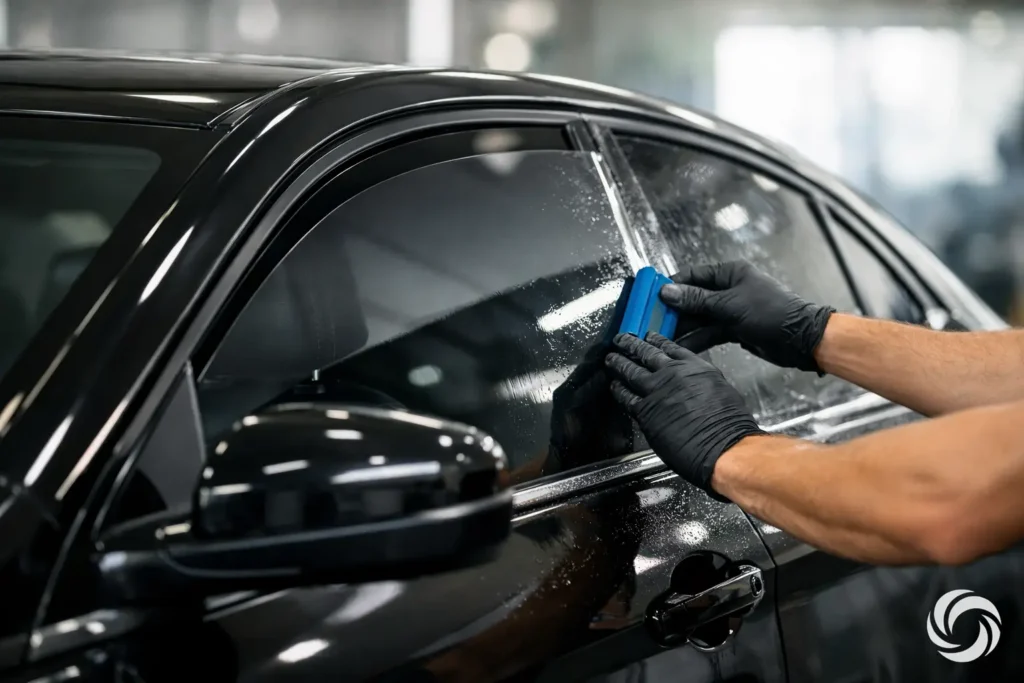
You feel it the second you open the door on a hot afternoon – trapped heat, glaring sunlight, and a steering wheel that is almost too hot to touch. If you have been asking is ceramic tint worth it, the short answer is yes for many drivers, but not for every budget or every vehicle.
Ceramic tint costs more upfront than dyed or basic film, so it needs to earn that higher price. For a lot of drivers, it does. It helps reduce heat, cuts harsh glare, blocks UV rays, and does all of that without the signal interference that can come with some older metallic films. The real question is not whether ceramic tint is good. It is whether the extra cost makes sense for how you drive, where you park, and how long you plan to keep your vehicle.
Is ceramic tint worth it compared to cheaper film?
In practical terms, ceramic tint is usually worth it if you spend a lot of time in your vehicle, park outside often, or want longer-term performance. If your main goal is simply to darken the windows for appearance, a lower-cost option may do the job. If your goal is comfort, UV protection, and better heat rejection, ceramic film is where the difference starts to show.
The biggest gap between ceramic and cheaper tint is not always how it looks. It is how it performs when the sun is beating down. Two vehicles can have a similar shade level and look nearly the same from the outside, but the one with ceramic film often feels noticeably cooler inside.
That matters in Alberta more than some people expect. Even when the air temperature is moderate, direct sun through untreated glass can make the cabin uncomfortable fast. For commuters, families with kids in the back seat, and tradespeople moving between job sites, that extra heat reduction can make the drive a lot easier.
What ceramic tint actually does
Ceramic tint uses non-metallic, non-conductive ceramic particles within the film. That sounds technical, but the benefit is simple. It is designed to reject more heat and block UV rays without affecting electronics like phone signal, GPS, radio, or keyless entry systems.
Better heat rejection
This is the main reason people choose ceramic. It helps reduce solar heat entering through the glass, which can make the cabin more comfortable and lower the load on your air conditioning. On sunny days, that can mean less blasting the AC the second you start the car and a more stable interior temperature while driving.
UV protection
Quality ceramic film blocks a very high percentage of harmful UV rays. That helps protect your skin during long drives and can also slow down fading on seats, dash materials, and interior trim. If you plan to keep your vehicle for years, this matters more than most people realize.
Reduced glare
Glare is not just annoying. It can be a safety issue, especially during early morning or late afternoon driving. Ceramic tint helps soften that harsh light so your eyes do less work. That is useful year-round, not only in summer.
Clear visibility with premium film
A good ceramic film can offer strong performance without making visibility feel muddy or overly dark from the inside. That is one of the reasons premium products tend to stand out from lower-end tint.
Where ceramic tint may not be worth it
There are cases where the upgrade does not make as much sense.
If you are selling the vehicle very soon, you may not enjoy the long-term value enough to justify the extra cost. If your vehicle is rarely driven and usually parked in a garage, you may not notice the performance benefits as much. And if your only concern is cosmetic appearance, carbon or other lower-priced films may be enough.
Budget matters too. A lot of drivers want the best option available, but the best option is still the one that fits your priorities and your spending comfort. Paying more for ceramic makes sense when you care about comfort and protection. It makes less sense if you are chasing the lowest possible price.
The real trade-off: higher upfront cost
Ceramic tint is not expensive for no reason, but it is still a bigger upfront investment. That is the main drawback.
For some drivers, the price difference pays off every day they use the vehicle. For others, especially on older vehicles or short-term ownership, it may feel harder to justify. The value comes from repeated use – less heat, less glare, better cabin comfort, and better interior protection over time.
That is why honest shops should walk you through the options instead of pushing one film on everyone. A work truck, a family SUV, and a weekend car may not all need the same solution.
Is ceramic tint worth it in Alberta?
For many Alberta drivers, yes. Bright sun, long summer daylight hours, and vehicles sitting outside at work or at home make heat rejection a real benefit. Even in cooler seasons, glare and UV exposure do not disappear just because the temperature drops.
If you commute regularly around Calgary or spend a lot of time on the highway, ceramic tint can make daily driving more comfortable. It is also a smart option for vehicles with leather or darker interiors, which tend to absorb and hold more heat.
The local factor matters here. A vehicle that lives outside through changing weather conditions sees more wear from sunlight than one that stays sheltered. Good tint is not only about the hot days. It is about protecting the glass area and interior through years of use.
Ceramic vs carbon tint
This is where some drivers get stuck, because carbon tint can also be a solid option.
Carbon film usually costs less than ceramic and offers better performance than entry-level dyed film. It can improve appearance, reduce some heat, and help block UV. For drivers who want a balance between price and performance, carbon can be a smart middle ground.
Ceramic still tends to lead in heat rejection and overall premium performance. If your top priority is getting the best comfort and protection available, ceramic is usually the better choice. If you want a good upgrade without stretching your budget as far, carbon may be enough.
That is why the question is not only is ceramic tint worth it. It is also what level of tint performance you actually need.
Installation matters as much as the film
Even the best film can disappoint if the installation is poor. Bubbles, peeling edges, contamination under the film, and uneven application all take away from the value you paid for.
A proper tint job starts with the right film, but it also depends on clean prep, accurate cutting, and experienced installation. Warranty coverage matters too. If a company stands behind its work, that gives you more confidence that the job is meant to last.
This is one reason many vehicle owners choose experienced local installers rather than shopping on price alone. A cheaper job that fails early is not really cheaper.
Who gets the most value from ceramic tint?
Ceramic tint tends to be worth it most for drivers who spend serious time in their vehicle. That includes commuters, delivery drivers, tradespeople, families doing daily school and sports runs, and anyone who parks outside for long stretches.
It is also a strong fit for people who are particular about their vehicle and want to protect it. If you care about preserving the interior, keeping the cabin more comfortable, and avoiding the drawbacks of lower-end films, ceramic usually makes sense.
At JDB Autoglass, this is often the conversation – not just what looks good on day one, but what will still feel like a good decision months and years later.
So, is ceramic tint worth it?
If you want better heat rejection, strong UV protection, less glare, and premium performance over the long run, ceramic tint is usually worth the extra cost. If your priorities are mostly appearance or the lowest upfront price, a different film may be the better fit.
A good tint decision should match how you use your vehicle, not just what sounds best on paper. The right choice is the one that solves the problems you deal with every day, whether that is cabin heat, sun glare, or protecting the interior from years of exposure.
If you are weighing the cost, think less about the window film itself and more about what your drive feels like after it is installed. That is where the value becomes clear.